How does the chromosome count difference between horses and zebras relate to zorse viability?
Answer
Horses (64) have a significantly higher number than zebra species (32-46 pairs), creating the foundational genetic mismatch.
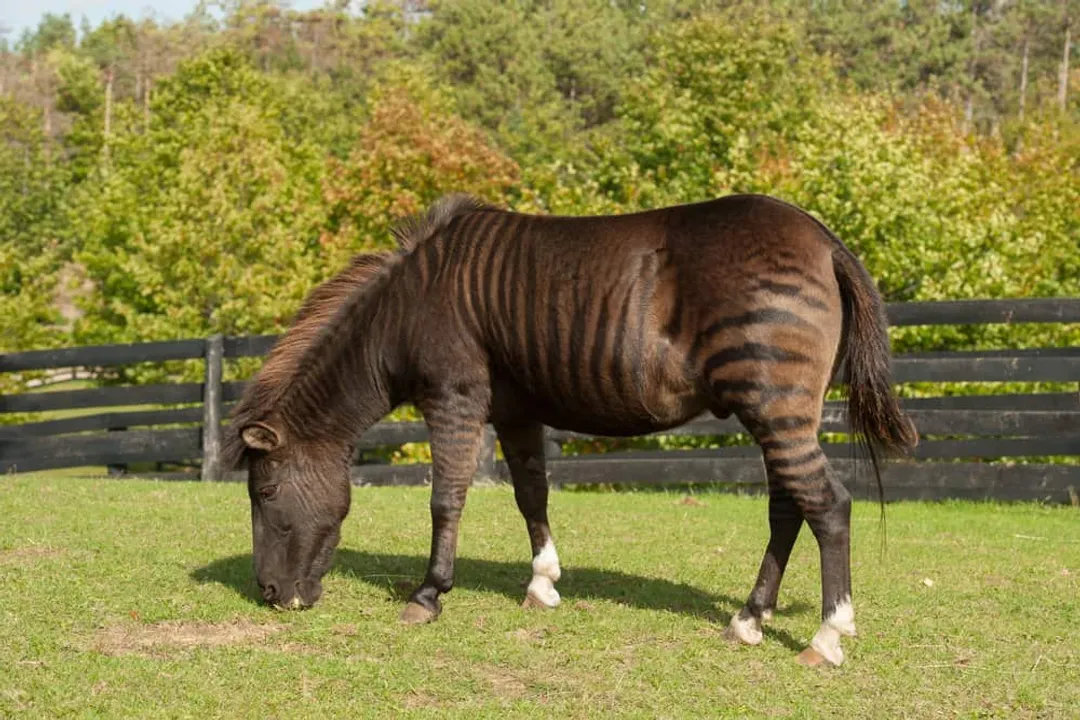
The biological incompatibility stems directly from the numerical disparity in chromosomes between the parent species. Horses possess 64 chromosomes, while various zebra species exhibit chromosome numbers ranging between 32 and 46 pairs. When gametes from these two highly divergent chromosome counts combine during fertilization, the resulting zygote inherits an uneven and unpaired set of genetic material. This chromosomal irregularity is the root cause of the typical sterility observed in the resulting zorse foal, preventing the propagation of the hybrid line beyond the first generation.
Related Questions
What specific parent pairing defines a true zorse, as opposed to a hebra?What is the general classification umbrella term for any hybrid resulting from crossing a zebra with any other equine?Why are zorses generally unable to reproduce due to their genetic makeup?Where are zorses primarily encountered today, given they do not breed naturally?Which parent's conformation generally dictates the overall body shape and silhouette of a zorse?What specific term is sometimes suggested for the zebra-horse cross but lacks wide adoption in mainstream literature?What unique behavioral trait, inherited from the zebra, necessitates specialized handling for a zorse?In which area does the striping pattern from the zebra parent typically manifest most intensely on a zorse?How does the chromosome count difference between horses and zebras relate to zorse viability?What is the technical designation for the offspring resulting from crossing a female zebra with a male horse?