Zorse Evolution
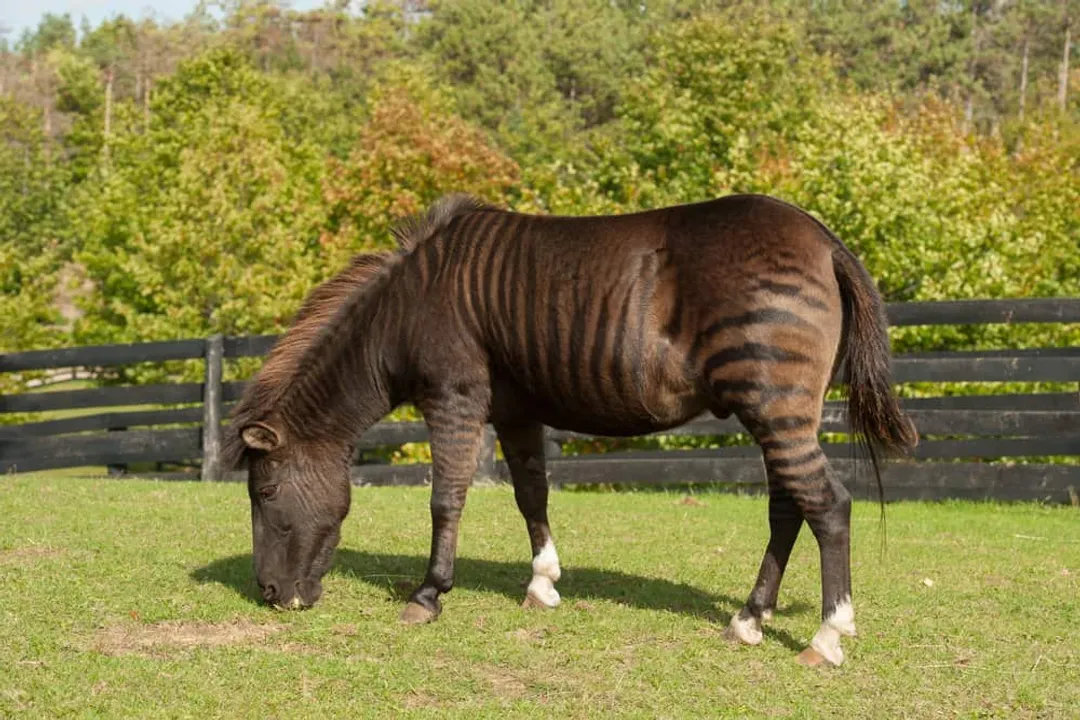
The convergence of a zebra and a domestic horse results in an animal commonly known as the zorse, a fascinating example of interspecies breeding within the Equus genus. [1][4] This creature embodies a striking blend of its two parental forms, inheriting physical characteristics and behavioral predispositions from both the wild zebra and the domesticated horse. [2][3] Unlike natural pairings that occur across geographic ranges, the zorse is an artificial hybrid, intentionally produced through controlled breeding efforts, typically within managed environments like ranches or sanctuaries. [5][6][9]
# Hybrid Definition
The term "zorse" itself is frequently used colloquially, but it falls under the broader umbrella category of "zebroids". [1] A zebroid is the general classification given to any hybrid resulting from crossing a zebra with any other equine, such as a donkey (resulting in a zonkey) or a pony (a zony). [1] When discussing the specific cross between a zebra and a horse, precise terminology exists based on the gender of the parents involved, though convention often defaults to the general term "zorse". [3]
Specifically, a true zorse is the result of breeding a male zebra with a female horse (mare). [3] If the parentage is reversed—a female zebra crossed with a male horse—the resulting offspring is technically known as a hebra. [3] Despite this technical distinction, the term zorse is frequently applied universally to both outcomes, blurring the specific genetic line in casual conversation. [3] These hybrids are born because, despite being different species, the zebra and the horse possess enough genetic compatibility to conceive and bring a foal to term. [5]
# Parent Naming
Understanding the parentage is key to understanding why these hybrids are often seen as bridging the gap between the wild and the tame. The zebra brings the stark, unyielding patterns and inherent wariness developed through natural selection in open savannas. [2] The horse contributes the size, conformation, and, often, the temperament bred over centuries of selective domestication for riding or work. [2][3]
Consider the parent gender's impact on the offspring's potential traits. While both pathways yield a zebra-horse mix, the specific genetic contribution might subtly favor one parent's inherited traits, a common pattern in cross-species breeding. [5] For example, crossing a male zebra with a mare might result in a more horse-like body structure because the mare provides the entire uterine environment for development, potentially influencing physical form more significantly than the stallion's genetic contribution in this specific pairing. [3]
| Parent Pairing | Common Name | Genetic Origin Implication |
|---|---|---|
| Male Zebra x Female Horse | Zorse | Favors horse conformation with zebra striping [3] |
| Male Horse x Female Zebra | Hebra | Less common; general zebroid classification [3] |
It is worth noting that while Halftoe has appeared as a suggested term in some specialized discussions, it is not widely adopted in mainstream equine or zoological literature compared to zorse or hebra. [7]
# Physical Traits
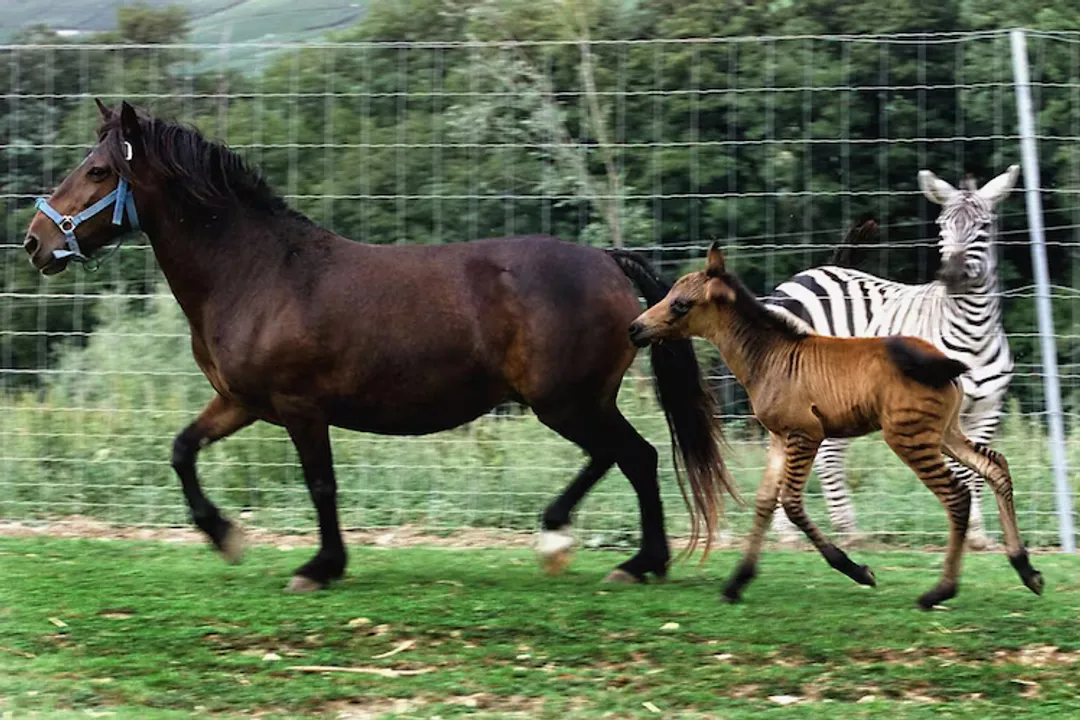
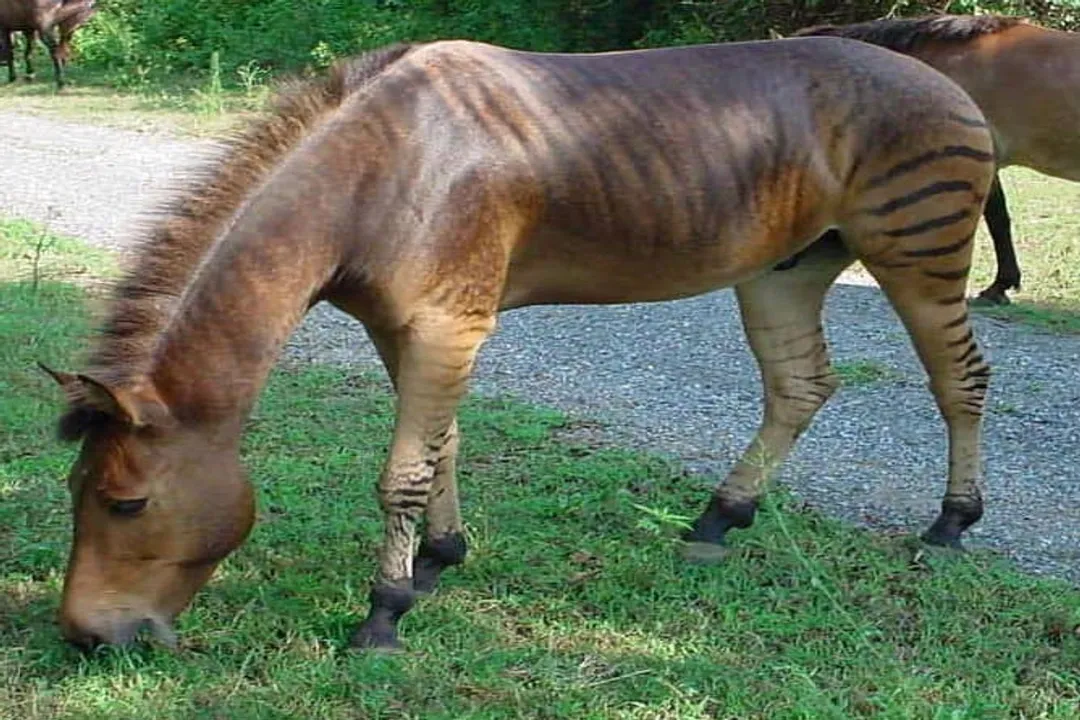
The most defining characteristic of the zorse is undoubtedly the striping inherited from the zebra parent. [4] However, these stripes rarely cover the entire body as they do on a purebred zebra. [2] Instead, the striping pattern often manifests most intensely on the lower parts of the animal—the legs, the belly, and the hindquarters. [2] The main body, neck, and head often present as the solid base color of the horse parent, which could be bay, chestnut, gray, or black. [2]
The body shape generally leans toward the horse parent's conformation—the overall build, slope of the shoulder, and bone structure. [2][3] This combination creates an equine that looks distinctly unzebra-like in its overall silhouette but is unmistakably marked by its striped heritage. [2] The visual result is highly variable; some zorses may exhibit faint striping, while others are boldly marked, depending on which equine carries the dominant or recessive genes for pattern expression. [1][2]
# Genetic Limits
A significant biological constraint in the creation of zorses, and most animal hybrids, lies in the chromosomal mismatch between the parent species. [8] Horses and zebras possess different numbers of chromosomes—horses typically have 64, while different zebra species can have between 32 and 46 pairs depending on the species. [8] When the sex cells (sperm and egg) combine, the resulting zygote has an uneven, unpaired set of chromosomes. [8]
This inherent imbalance usually leads to sterility in the offspring. [2][8] Just as a mule, the hybrid of a horse and a donkey, is typically unable to reproduce, the zorse is generally infertile. [2] This is a fundamental barrier preventing the establishment of a self-sustaining hybrid population in the wild, confirming that zorses are one-off creations rather than the beginning of a new species. [4][5] The inability to pass on their unique genetic makeup reinforces their status as anomalies of selective breeding rather than evolutionary successes in the traditional sense. [8]
While the primary goal of breeding a zorse is often aesthetic—to own an animal with exotic markings—the unpredictable nature of their temperament demands careful handling. They frequently inherit the hardiness and swiftness associated with zebras, but they may lack the long history of tractability seen in domestic horses. [2] This means a zorse may present a challenge that requires an experienced handler, as they might react to stress or training in ways a domestic horse would not. [2] An important consideration for anyone interacting with these animals is recognizing that while they may look like a horse, their fight-or-flight instincts are closely tied to the wild progenitor, demanding patience and a deep respect for their inherent wariness.
# Contemporary Zorses
Zorses do not exist in the wild; they are products of human intervention. [4] Today, they are most often encountered on private breeding farms, in specialized sanctuaries, or occasionally exhibited in smaller, private collections. [6][9] They are not commonly seen in major zoos or highly regulated public exhibits, reflecting the niche nature of their creation and the management complexities associated with hybrid equids. [5] Visual documentation, sometimes shared via animal sanctuaries in places like Oregon, shows these animals living successfully in managed care settings, confirming their physical reality. [6][9]
The existence of sanctuaries that care for these unique animals—like the Skydog Sanctuary mentioned in observational records—underscores the fact that these crosses are still actively occurring or are the legacy of past breeding programs. [6][9] The care protocols for a zorse must necessarily bridge knowledge gaps between caring for a horse and understanding the specific behavioral needs derived from zebra lineage. [2] This necessity for dual expertise—equine husbandry combined with an awareness of unique hybrid behavioral tendencies—is a key component of responsible ownership or stewardship for these animals, representing a practical application of understanding their genetic background. They remain a testament to the genetic flexibility within the equine family, showcasing striking visual results when that flexibility is deliberately directed through human choice. [1][5]
Related Questions
#Citations
Zebroid - Wikipedia
Yes, the Zorse Is a Real Mix of a Horse and a Zebra | HowStuffWorks
Zorse Animal Facts - Equus zebra x Equus caballus - A-Z Animals
Zorse Facts, Worksheets, Classification & Evolution For Kids
Ligers, zorses, and pizzlies: How animal hybrids happen
Zorse from the Skydog Sanctuary in Oregon. The dun brown coat ...
Halftoe | Speculative Evolution Wiki - Fandom
Zebra or horse? A 'zorse', of course! - Creation Ministries International