Water Bug Scientific Classification
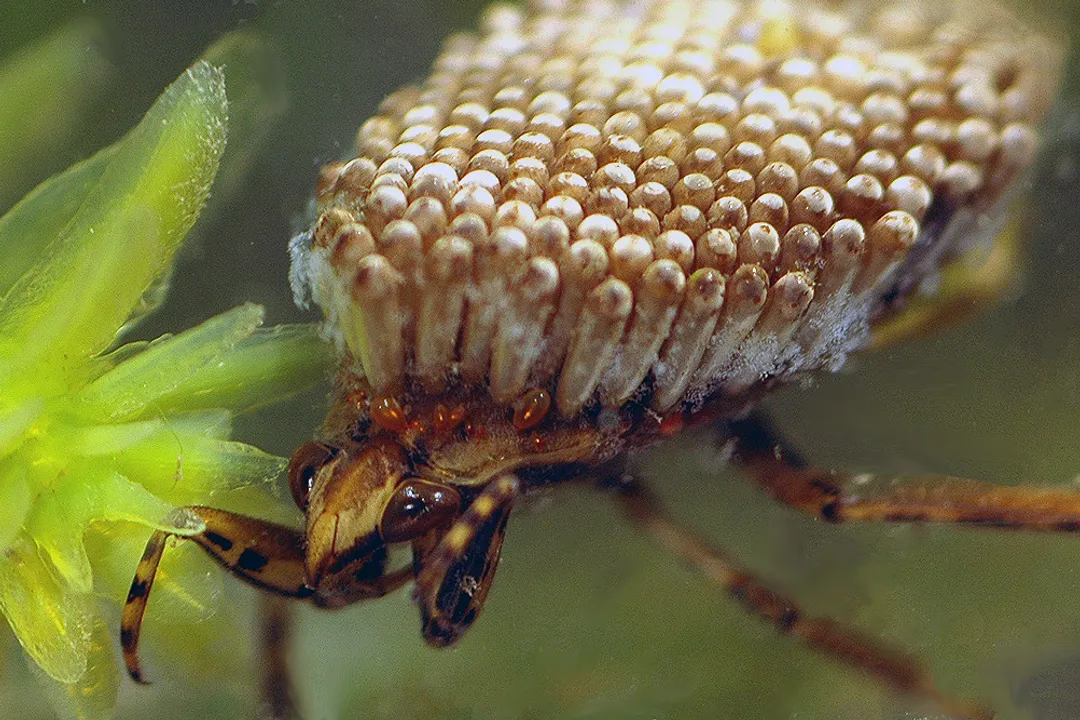
The scientific classification of the insects commonly known as "water bugs" reveals a fascinating journey through the taxonomic hierarchy, leading us directly to the Order Hemiptera, the true bugs. [4][5] These imposing aquatic predators, often recognized by their flat, oval bodies, are frequently called Giant Water Bugs, Toe Biters, or sometimes Electric Light Bugs due to their attraction to artificial light sources at night. [1][3][7][8][9] Understanding where they fit in the grand scheme of life helps explain their unique adaptations, particularly their specialized mouthparts and methods of respiration underwater.
# Kingdom Ranks
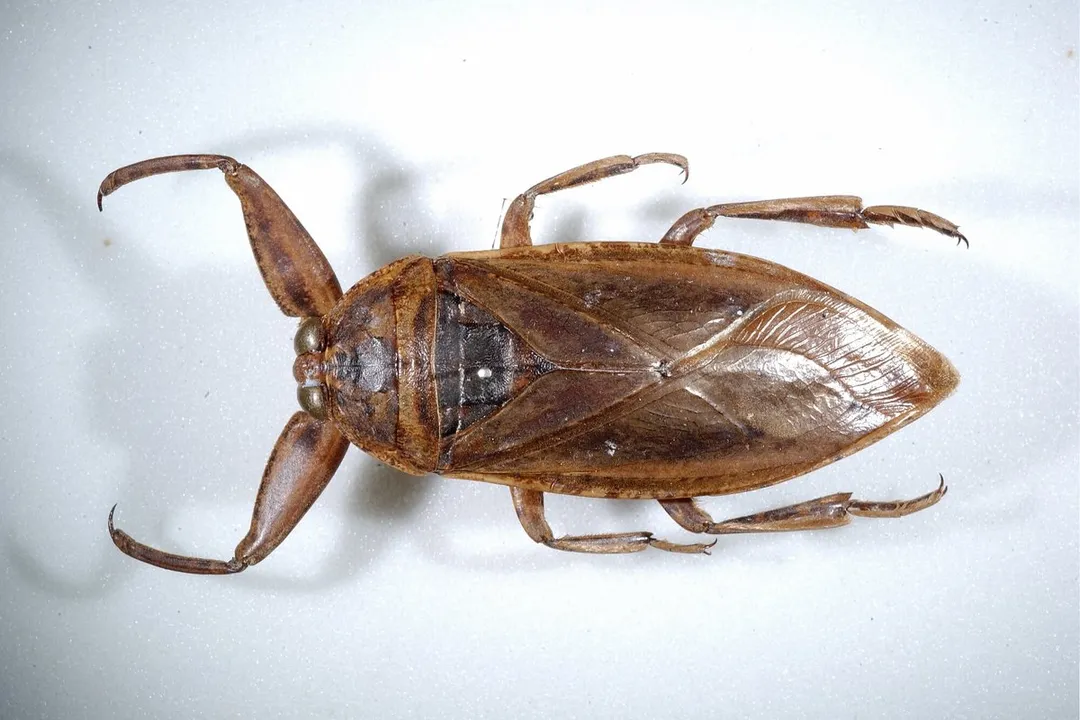
Like all insects, water bugs begin their classification at the highest levels: Kingdom Animalia, Phylum Arthropoda, and Class Insecta. [4] The real specificity begins at the Order level, where they are categorized within Hemiptera. [4][5] Insects in this order are defined by a key anatomical feature: piercing-sucking mouthparts formed into a rostrum or beak. [4][5] This feature sets them apart from chewing insects, like beetles, and is central to their predatory lifestyle. [2][5] It is important to note that while many people casually call any strange bug found near water a "water bug," the term scientifically, when referring to these large predators, points squarely toward the Belostomatidae family within Hemiptera. [1][4]
# Order Hemiptera
The Order Hemiptera itself is vast and includes groups ranging from cicadas and aphids to true bugs like assassin bugs and stink bugs. [4] A defining characteristic shared across the order is the modification of the forewings, or elytra, which are often hardened or leathery at the base and membranous at the tip—a structure known as a hemelytron. [4] This is a consistent trait found in the Giant Water Bug family. [4] Their rostrum is rigid, housing four stylets that work together like a hypodermic needle to pierce tough surfaces, whether they are sucking sap from a plant or, in the case of the Belostomatidae, injecting digestive enzymes into prey. [2][5]
# Family Belostomatidae
The family Belostomatidae specifically encompasses the Giant Water Bugs. [4][5] They are easily recognized by their broad, flattened, and somewhat oval body shape, which makes them adept at moving through still or slow-moving water where they primarily reside. [1][3] Size is another distinguishing factor; many species reach impressive lengths, often exceeding an inch, which contributes to their common names. [1][8]
Within the family, there are several key features that classify them as Belostomatids:
- Raptorial Forelegs: Unlike the chewing mouthparts of other insects, their forelegs are modified into strong, grasping appendages, similar to those of a praying mantis, allowing them to seize slippery prey effectively. [3][5]
- Breathing Adaptation: Because they are aquatic, they must breathe atmospheric air. [2][3] They possess a specialized structure, sometimes referred to as a snorkel or breathing tube, at the tip of the abdomen that they raise to the water surface to draw air. [2][8] Alternatively, they can trap a bubble of air under their hindwings (elytra) for submerged respiration. [2][3]
The family Belostomatidae is further divided into three subfamilies: Lethocerinae, Belostomatinae, and Kirkaldyinae. [5] The subfamily Lethocerinae contains the truly giant members of the group, including the genus Lethocerus, which contains some of the largest species globally. [5][6]
# Genera Comparison
The sheer size variation within the family is one reason why common names can sometimes be misleading. While Lethocerus often represents the largest specimens, other genera fall within the family boundaries but might be smaller. [5] For instance, the genus Lethocerus indicus, prominent in Southeast Asia, is known for its size and is even recorded as a food item in that region. [6] In contrast, smaller genera might resemble large, darker water beetles at a quick glance, making the definitive identification rely heavily on confirming the Hemipteran mouthparts and the specific raptorial leg structure. [4][5]
If we organize the hierarchy, it looks something like this:
| Rank | Taxon | Defining Characteristic Summary |
|---|---|---|
| Order | Hemiptera | Piercing-sucking mouthparts (rostrum) [4][5] |
| Family | Belostomatidae | Flattened body, raptorial front legs, air-breathing adapted [3][5] |
| Subfamily | Lethocerinae | Generally the largest species, e.g., Lethocerus [5][6] |
The fact that one subfamily, Lethocerinae, is frequently associated with the largest individuals showcases a clear evolutionary trend within the family toward maximizing size for aquatic predation. [5]
# Predatory Mechanics
The way these bugs subdue and consume prey speaks directly to their classification within Hemiptera. Their diet is varied, encompassing small fish, tadpoles, aquatic insects, and even small snakes or turtles in rare instances. [2][3][8] This is not achieved by tearing pieces off the prey. Instead, the water bug sinks, often grasping the victim with its powerful front legs, and then uses its rigid rostrum to puncture the prey’s body. [3] It injects saliva containing enzymes that quickly liquefy the internal tissues. [2][5] The bug then sucks the resulting nutrient soup out through the beak. [5] The necessity for this method means that prey size is often limited only by what the bug can physically hold and pierce effectively.
This predatory specialization highlights a subtle but crucial difference between aquatic and terrestrial Hemiptera. While a terrestrial stink bug might use its rostrum to pierce a leaf stem or a slow-moving caterpillar, the water bug’s rostrum must be strong enough to penetrate relatively thick skin or scales underwater, requiring immense structural integrity in that feeding apparatus. [5]
# Field Identification Clues
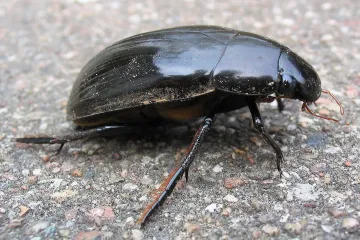
For a layperson trying to distinguish a Giant Water Bug from other large aquatic insects, like certain beetle larvae or true diving beetles, a few field observations related to their classification features can be very helpful. The raptorial legs are perhaps the most immediate giveaway; they are held folded, ready to strike, unlike the rowing legs common to many other aquatic insects. [3] Furthermore, observing their movement when they need air reveals their breathing specialization. They often swim to the surface and angle their rear end upward, seeming to stick a tail out of the water, or they might become quiescent at the surface with just the tip of their abdomen breaking the water tension. [2][3][8] Observing the insect actively maintaining its air supply is a strong indicator that you are looking at a member of the Belostomatidae family rather than an obligate gill-breathing larva.
The painful bite, which gives them the moniker "Toe Biter," is another behavioral indicator, though one best avoided for verification. [1][3] While the bite is rarely medically serious, causing only temporary swelling and numbness, it is a direct consequence of their powerful rostrum evolved for subduing struggling, relatively large prey items. [8] This defensive action is essentially the over-application of their feeding mechanism.
# Respiration Tactics
The methods water bugs employ for breathing add another layer of complexity to their adaptations, directly supporting their placement as specialized aquatic insects within Hemiptera. The ability to create or utilize an air bubble beneath the wings is a fascinating, albeit somewhat temporary, solution to the challenges of an aquatic life. [2][3] For longer dives or periods of inactivity, they rely on that physical snorkel formed by specialized filaments or structures at the end of the abdomen, which interfaces with the air bubble or reaches the surface directly. [2][8] This constant need to manage an air supply influences their behavior, often dictating when and where they surface. A creature so heavily reliant on surface air access must exhibit a different behavioral pattern than a fully aquatic larva that respires dissolved oxygen through gills throughout its life cycle. This reliance on atmospheric oxygen is a major evolutionary constraint that shapes their entire ecology in a pond or stream environment.
Related Questions
#Citations
Water Bug - Field Guide to Common Texas Insects
EENY-301/IN578: Giant Water Bugs, Electric Light Bugs, Lethocerus ...
Giant Water Bugs - University of Kentucky
Species Lethocerus americanus - Giant Water Bug - BugGuide.Net
Family Hemiptera Belostomatidae - Macroinvertebrates.org
Lethocerus indicus - Wikipedia
Giant water bug identification and facts - Facebook
Giant Water Bug (U.S. National Park Service)
Giant Water Bug - The Australian Museum