Water Dragon Scientific Classification
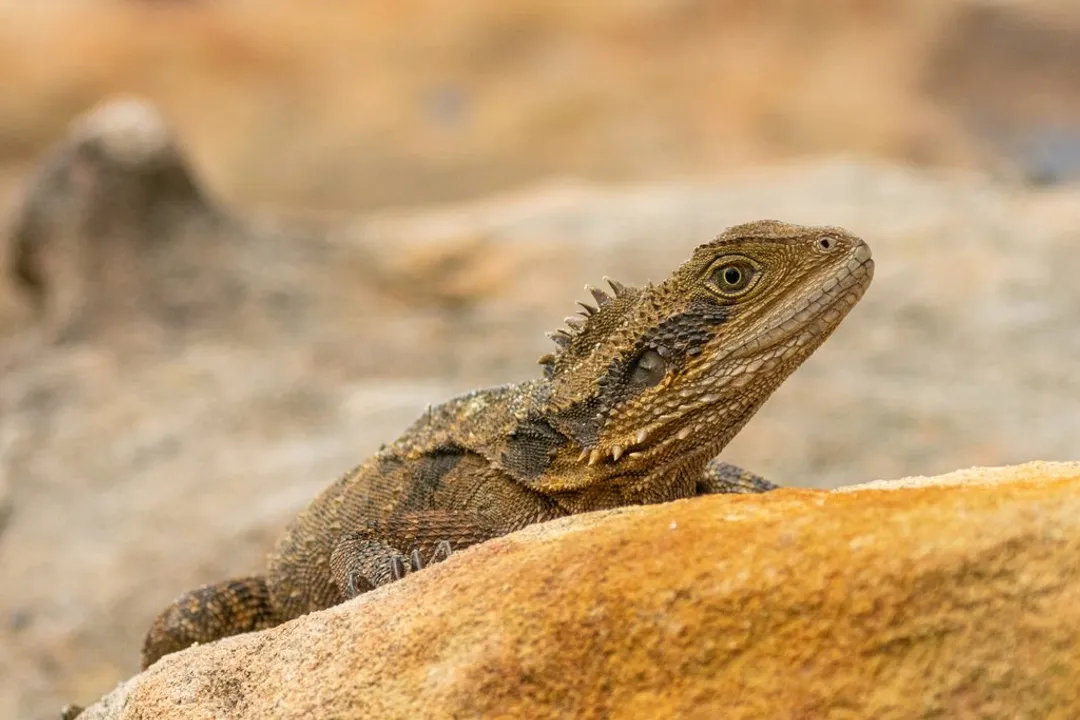
The term "Water Dragon" often conjures images of magnificent, often green, scaled reptiles basking near water sources, but scientifically speaking, this common name applies to at least two distinct lineages of lizards residing on different continents. Understanding their scientific classification helps clarify these relationships, showing us that while they share a common ancestry, their evolutionary paths have diverged significantly. They are all reptiles, belonging to the order Squamata, which encompasses all lizards and snakes.
# Shared Supergroups
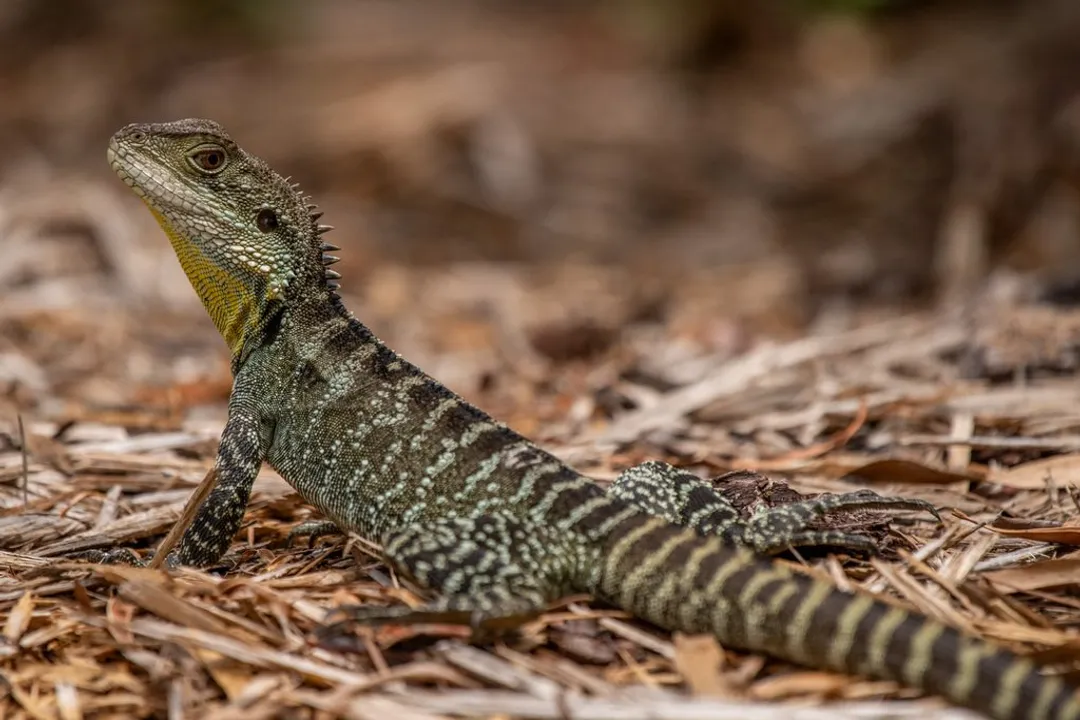
Before diving into species-specific details, it is helpful to place these creatures within the broader tree of life. Both the Australian and Asian water dragons fall under the class Reptilia and the order Squamata. Within this order, they reside in the suborder Iguania, which includes many familiar lizards. Their placement within the major taxonomic ranks—Kingdom Animalia, Phylum Chordata, Class Reptilia, Order Squamata—is consistent across sources discussing both groups. This broad agreement confirms their fundamental status as scaled vertebrates.
# Australian Lineage
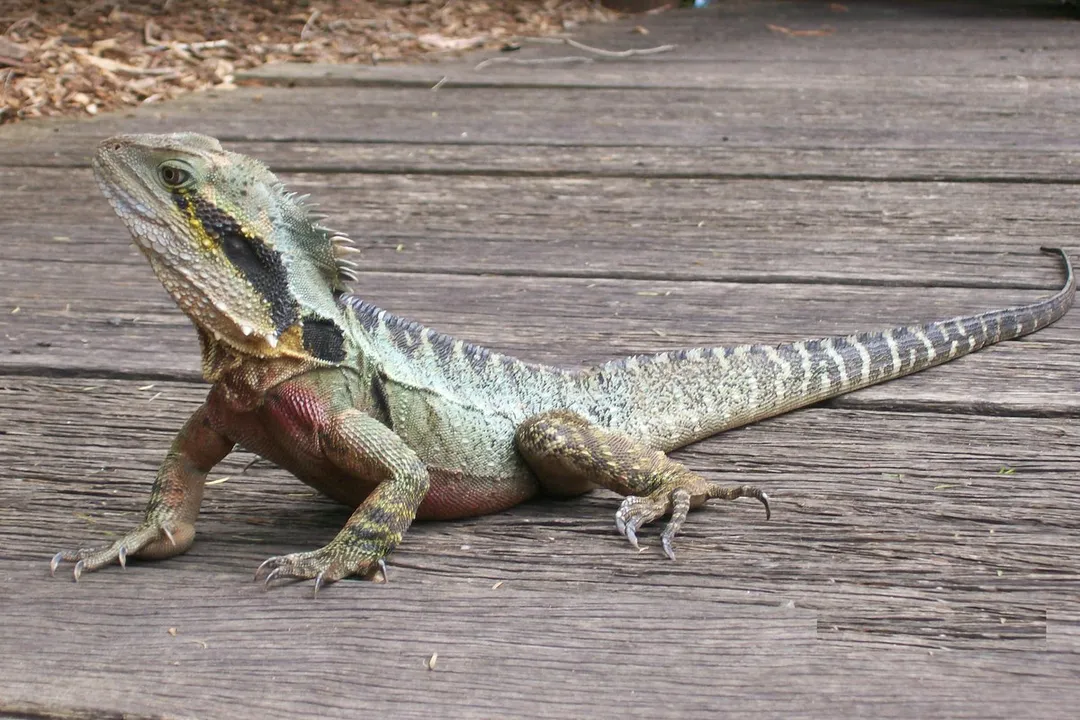
The water dragons found natively in Australia are scientifically classified under the genus Intellagama. This genus designation is relatively recent, as these animals were previously classified under Physignathus, the same genus that houses the Asian species, a point that highlights ongoing refinement in reptile taxonomy. The current scientific name for the Australian Water Dragon is Intellagama lesueurii.
The Australian species is further divided into recognized subspecies, which reflect geographical separation and subtle morphological differences. The Eastern Water Dragon is designated as Intellagama lesueurii lesueurii (I. l. lesueurii), while the Gippsland Water Dragon is classified as Intellagama lesueurii howitti (I. l. howitti). This distinction between the two subspecies is crucial for conservation and ecological studies within Australia, where they are commonly observed around creeks and rivers. The classification change to Intellagama signifies that Australian researchers now recognize enough distinct evolutionary traits in these species to separate them from their Asian counterparts at the generic level.

# Asian Genus
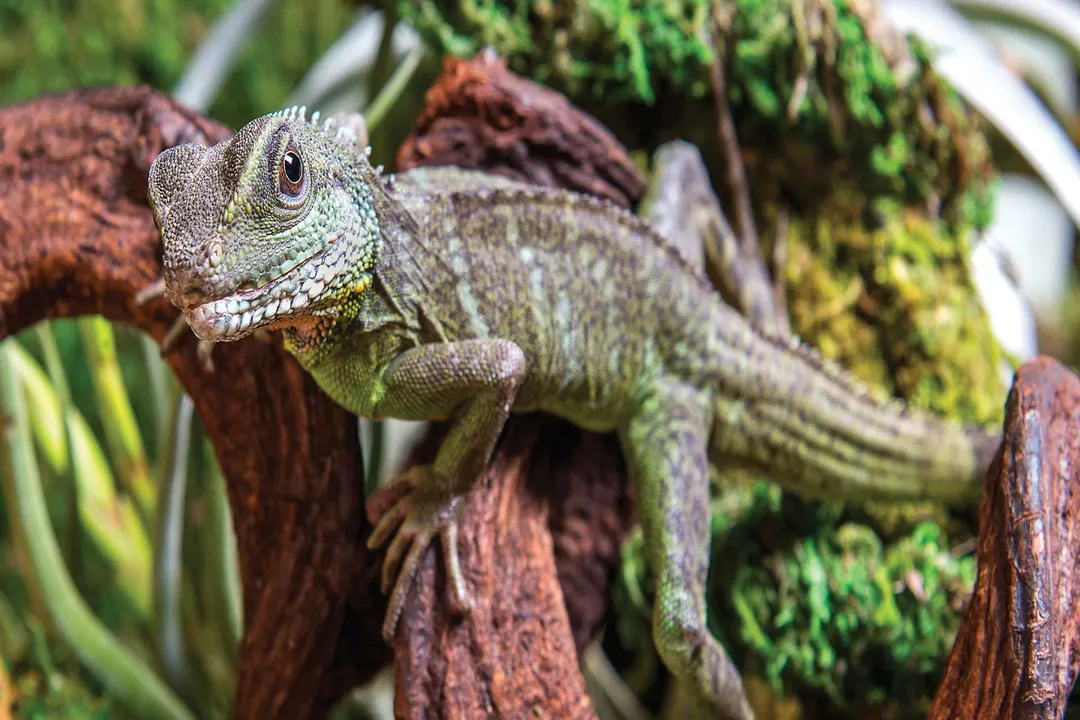
In contrast to the Australian group, the water dragon commonly recognized in the pet trade and native to Southeast Asia is classified under the genus Physignathus. The scientific name for this species is Physignathus cocincinus. This species is frequently referred to as the Chinese Water Dragon or the Green Water Dragon.
Unlike the Australian species, the sources do not indicate subspecies differentiation for Physignathus cocincinus, though captive breeding often results in various color morphs. The continued placement of P. cocincinus in Physignathus alongside other related agamid lizards shows that, taxonomically, researchers have maintained a grouping that differs from the split applied to the Australian species. It is interesting to note that the original classification of the Australian dragon (Physignathus lesueurii) before its move to Intellagama directly linked the two groups based on shared ancestry implied by the shared genus name.
# Classification Comparison
A direct comparison of the primary scientific names underscores the separation between the two commonly named "Water Dragons." While both are large, semi-aquatic lizards, the genus distinction is the most significant taxonomic difference arising from recent genetic work.
| Rank | Australian Water Dragon | Asian/Chinese Water Dragon |
|---|---|---|
| Kingdom | Animalia | Animalia |
| Order | Squamata | Squamata |
| Family | Agamidae | Agamidae |
| Genus | Intellagama | Physignathus |
| Species | lesueurii | cocincinus |
| Common Name | Australian Water Dragon | Chinese/Green Water Dragon |
When considering the implications of these names, particularly for someone encountering one in the wild versus purchasing one as a pet, the consistency of the common name "Water Dragon" can be misleading regarding their genetic distance. A simple check of the genus name—Intellagama versus Physignathus—is the most immediate indicator of whether you are looking at a native Australian species or an Asian import.
For researchers examining the fossil record or conducting deep phylogenetic studies, tracking the classification history is key. The movement of I. lesueurii out of Physignathus suggests that the evolutionary split between the Australian and Asian lineages occurred far enough back in time that Intellagama is now considered a distinct and separate evolutionary branch. This separation at the genus level is a substantial leap in taxonomic hierarchy, indicating major differences in morphology, distribution, and evolutionary history that go beyond simple species variation within a single genus.
# Naming Context
Scientific classification is not static; it reflects the best current understanding of evolutionary relationships, which can change as new data, especially DNA sequencing, becomes available. For the Australian species, the decision to erect the new genus Intellagama shows a commitment to reflecting true evolutionary separation. This process involves detailed analysis of morphology and genetics, moving beyond superficial similarities that might have led to the initial grouping under Physignathus.
It is worth noting the context around the species names themselves. Lesueurii honors Charles Alexandre Lesueur, an early French naturalist, while cocincinus refers to Cochinchina, the historical name for a region in Southern Vietnam, pointing directly to their disparate native ranges. Even the descriptive common names, like Green Water Dragon for the Asian species, reflect observable traits, but the Linnaean system provides the immutable code for relating them to other reptiles. The data managed by state or regional authorities, such as those tracking species in Queensland, rely on this precise scientific nomenclature to monitor populations, such as Intellagama lesueurii, in the wild.
Related Questions
#Citations
Australian water dragon - Wikipedia
Australian Water Dragon - The Australian Museum
Asian water dragon - National Zoo
Taxon - Intellagama lesueurii (eastern water dragon) - WildNet
Water dragons – the intelligent lizards – Ed Frazer
Basic Information Sheet: Chinese or Green Water Dragons
Chinese Water Dragon | Care Center | Galápagos Reptile Gear
[PDF] Chinese Water Dragon