Yellow Bass Facts
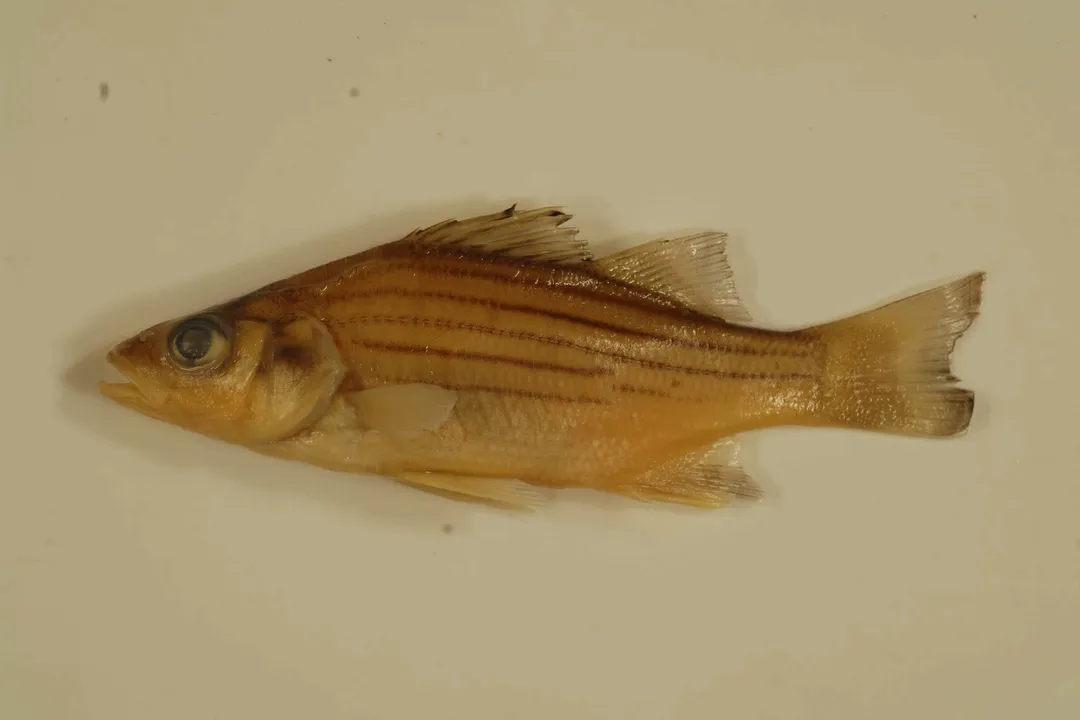
The yellow bass, Morone mississippiensis, often resides in the shadow of its more famous relatives like the largemouth and striped bass, yet it commands attention within the Moronidae family for its distinct look and aggressive schooling behavior. [4] While the genus Morone includes popular sportfish, the yellow bass is frequently noted for its smaller stature and unique coloration that gives it its common name. [1][4] It derives its species name, mississippiensis, directly from the massive river system that serves as its historical heartland. [3][9]
# Color Stripes
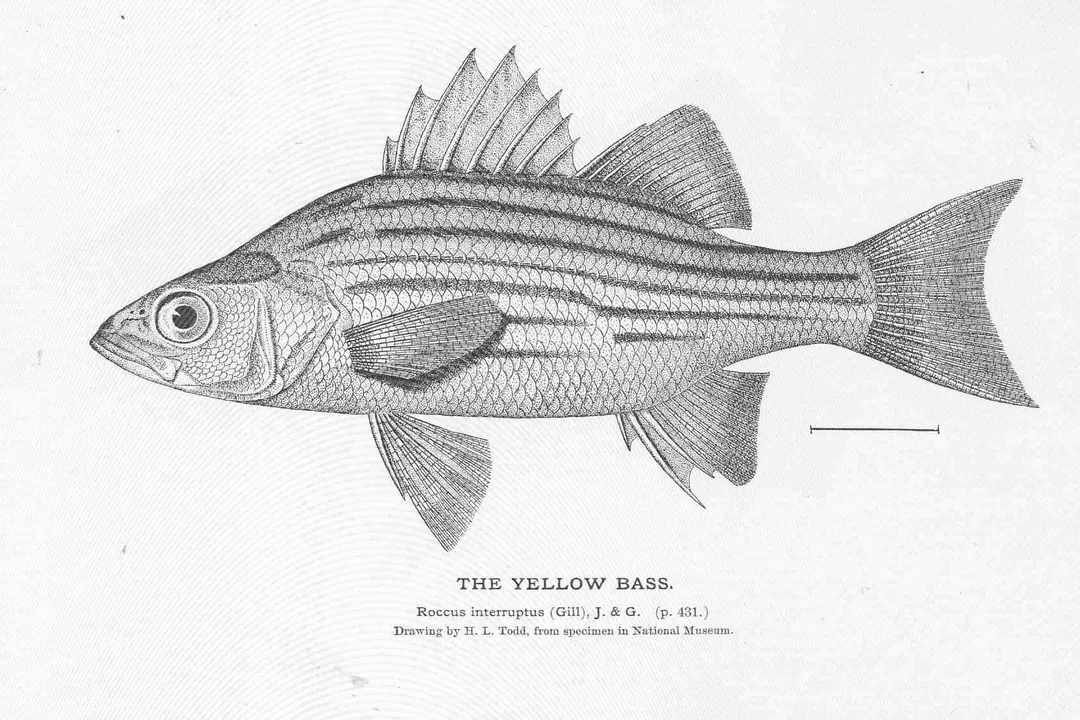
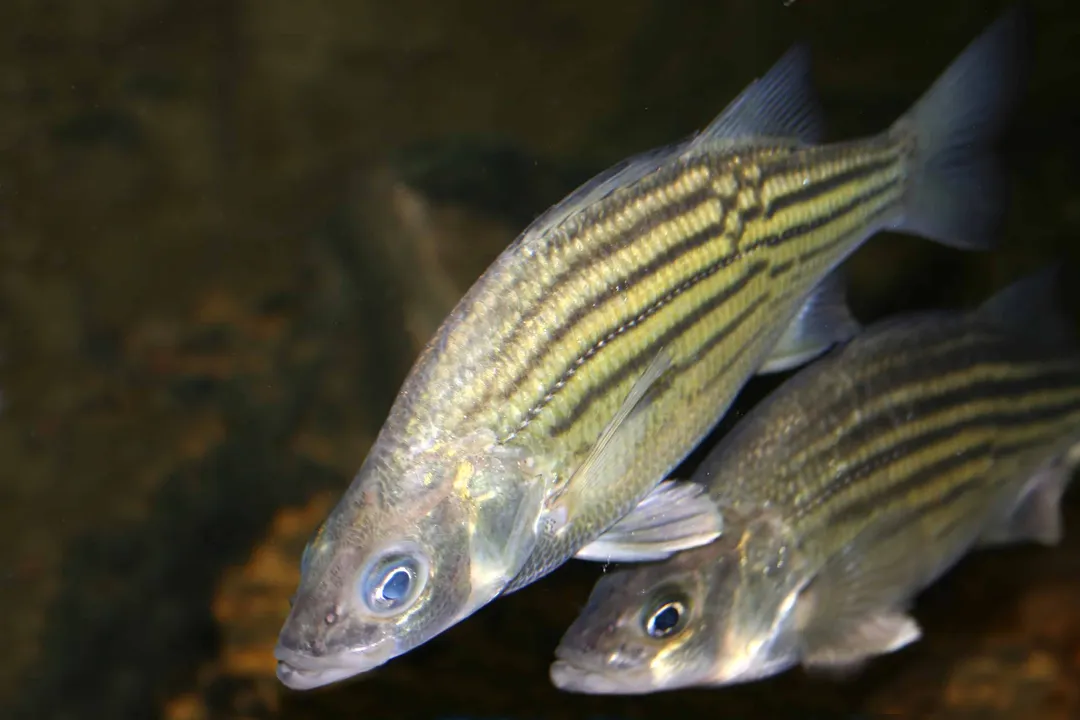
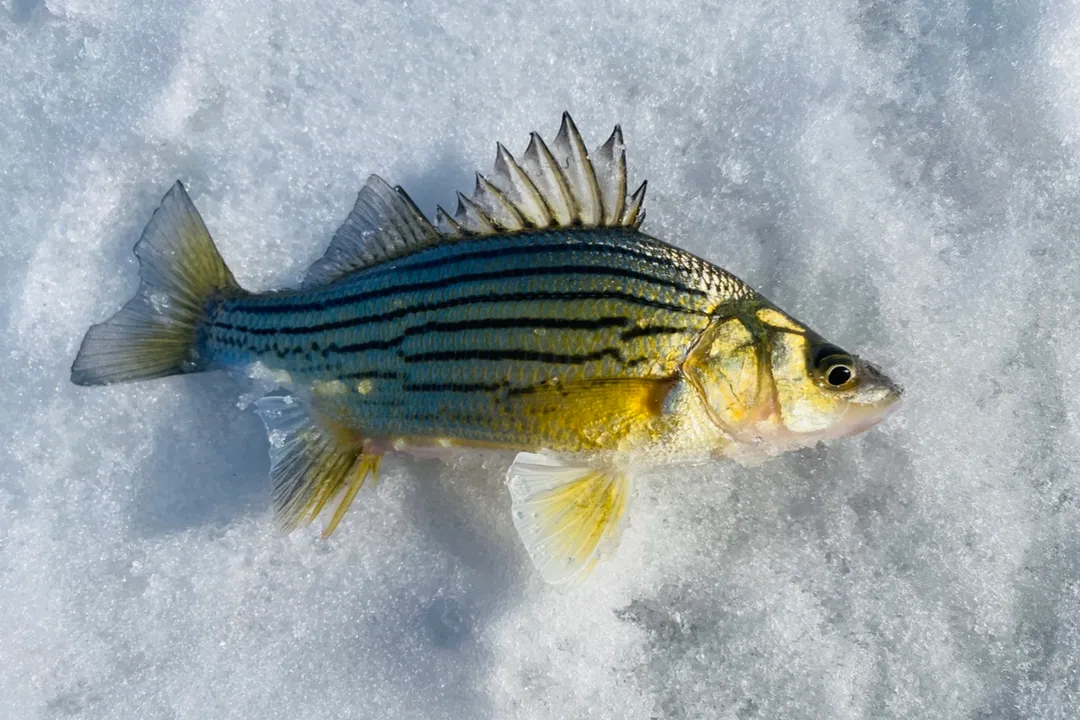
Distinguishing the yellow bass requires a close look at its striping pattern, as it shares a general, stocky appearance with the white bass. [4][7] The yellow bass typically displays five to seven dark horizontal stripes running along its sides. [5][9] The overall coloration is often described as silvery-yellow, particularly toward the belly, which can sometimes take on a distinct yellow hue, while the back tends toward a darker, olive-green shade. [3][4][6]
The critical identification markers separate it from the white bass. For the yellow bass, the two lowermost stripes are characteristically broken or discontinuous just behind the fish’s midpoint. [3][5] Furthermore, the stripes positioned above the anal fin are noticeably offset. [3][5][9] Another key difference, which requires closer inspection or comparison, is the lack of tooth patches on the base of the tongue in the yellow bass, a feature present in some other temperate bass. [3][5][7] Technically speaking, the anal fin structure also varies; yellow bass usually possess nine or ten anal rays, while the white bass has more. [5][6][9] While some records cite a maximum length nearing 18 inches, [5] the reality for most anglers is a fish averaging between 5 and 11 inches long, usually weighing less than a pound. [3][4] The world record approved catch currently stands at 2 pounds, 9 ounces, caught in 1998. [1]
# Water Home
The native distribution of the yellow bass is closely tied to the central Mississippi Valley. [1] Historically, they were found throughout the Mississippi River system, ranging from as far north as Minnesota and Wisconsin down to Louisiana. [2][3] Their range extends westward into eastern Oklahoma and eastward into western Indiana and Tennessee. [2] They thrive in quieter environments, preferring the backwaters, quiet pools, and edges of large streams, lakes, and reservoirs within this core area. [1][4]
This fish prefers water that is relatively clear, though it can tolerate a degree of turbidity. [4][6] Critically, yellow bass favor a firm bottom substrate, frequently congregating over sand, gravel, rock rubble, or firm mud flats. [5][6] When they are actively feeding during the warmer summer months, they typically move to deeper areas, often between 10 and 20 feet below the surface. [4] As the water cools in the fall and winter, they move back into shallower zones, sometimes settling around 6 to 12 feet deep, often over mud flats where benthic invertebrates are plentiful. [5]
However, because they are intentionally stocked by some agencies for sportfishing, introduced populations have been confirmed much further afield, reaching states like Arizona. [2][5] This introduction means that anglers in non-native waters must be acutely aware of local regulations regarding transport and release, as these fish can rapidly change the dynamics of the water body they enter. [5]
# Growth Spawning
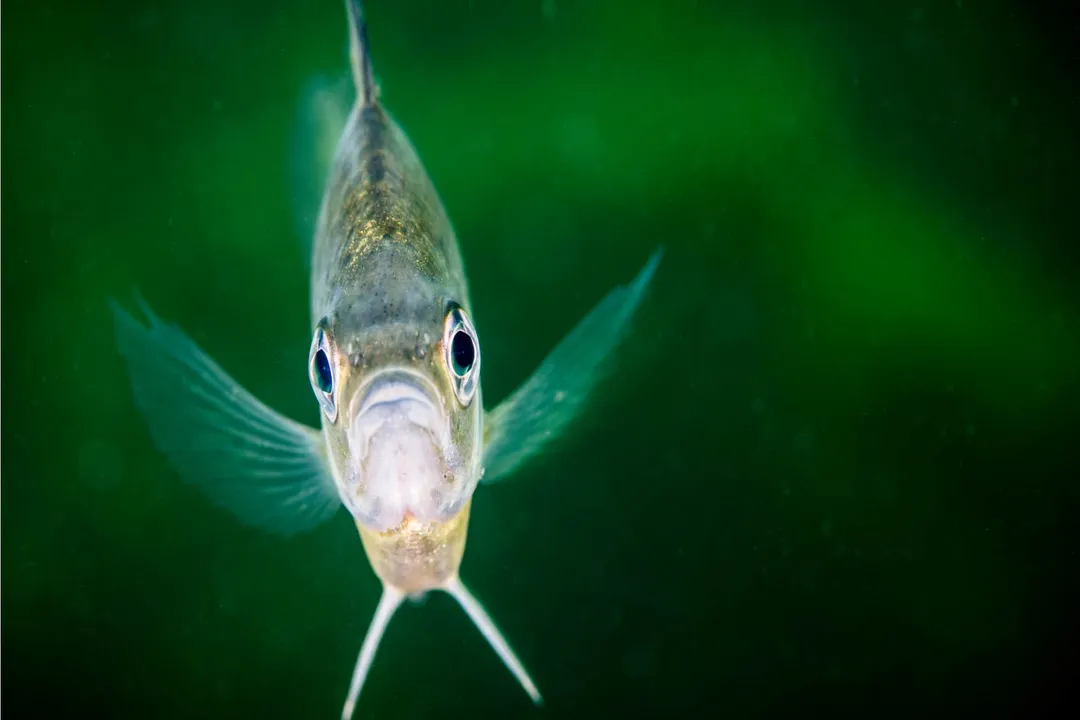
Yellow bass exhibit a life history strategy that favors quick, early-life reproduction over long-term growth, which aids their success when introduced but contributes to their small size in established, high-density populations. [4][6] Spawning generally occurs in the spring, often when water temperatures reach about F, typically in May. [6][8] They seek out shallow water, usually between two and three feet deep, migrating into tributary streams or spawning over gravel bars and rocky reefs within lakes. [2][6] Following a brief pairing, the female releases eggs which sink and hatch within four to six days in water around F, receiving no subsequent care from the parents—adults will even prey on the resulting fry. [4][6] In Iowa, for example, yellow bass show fast initial growth, reaching an average of four inches in the first year, yet growth slows significantly after they reach maturity around age three, and few adults survive past five to seven years. [6][4] This pattern—rapid juvenile growth followed by early maturity and limited lifespan—is characteristic of a species that needs to produce many offspring quickly to ensure survival, a trait that can cause overpopulation issues when native competitors are scarce. [4]
Their diet reflects this opportunistic nature. Juveniles consume small invertebrates like copepods and aquatic insects. [4][9] As adults, their primary food source shifts to small fish, though they continue to consume small crustaceans. [4][6] Yellow bass are active feeders during low-light hours, hunting near the surface at dawn and dusk. During the brighter parts of the day, they tend to move deeper and feed closer to the bottom structure, preying on benthic life. [4][6] They are known to be aggressive predators and move in large schools when they locate baitfish. [4]
# Angling Tactics
Catching yellow bass is often a numbers game because they school tightly, meaning success often follows success—if you hook one, expect several others nearby. [3][4] While they are not highly targeted due to their size, they are noted fighters that require a nuanced approach compared to heavier bass fishing. [6][8] For the angler specifically looking to maximize the fun of the fight, employing lighter tackle is essential; heavy rods designed for largemouth bass will overpower these smaller fish and prevent the angler from fully appreciating their spirited resistance. [8] An ultralight or light spinning rod paired with lighter line makes casting the necessary small lures easier and provides a better "feel" for the bite. [6][8]
Lure selection must match their small mouths and feeding habits. When they are deep (outside of the spawn), anglers should focus on presentations that target the bottom structure, such as drop shots using small tube grubs or minnow-sized swimbaits, keeping the lure just a few inches off the floor to avoid snags. [6][8] When they are active in the shallows during the spring spawn, they readily strike small flies, beaded nymphs, or mini crankbaits that generate a lot of action. [6][8] Because they are aggressive, presenting the lure quickly, rather than using very slow retrieves, often triggers a reaction strike. [8] If you can locate the baitfish schools they follow, you are often directly over the feeding bass, though you might catch some bluegill or sunfish along the way due to the similar lure sizes used. [8]

# Spread Status
The introduction of yellow bass into new waters has created management complexities, particularly concerning their interaction with native species. [2] While the IUCN currently lists them as a Species of Least Concern globally, their status is more complicated at the local level. [4][9] In areas like Iowa, their populations have sometimes exploded, leading to classifications as an invasive species where high densities suppress native diversity by outcompeting them for food and habitat. [4][6] Furthermore, when stocked within the native range of the white bass, hybridization between the two species has been documented. [2]
The rapid establishment in non-native areas stems from their prolific spawning habits and aggressive feeding. [5] Preventing this spread relies heavily on clean boating practices: anglers must CLEAN all equipment of vegetation, DRAIN all water from live wells and ballast tanks at the ramp, and DRY gear for at least seven days before moving to a new location. [5] Dumping bait or releasing non-native fish are unlawful acts that directly promote the spread of these aggressive, fast-reproducing fish into new ecosystems. [5]
Related Questions
#Citations
Yellow Bass Fish Facts - Morone mississippiensis - A-Z Animals
Yellow Bass (Morone mississippiensis) - Texas Parks and Wildlife
Yellow Bass | Nebraska Invasive Species Council
Yellow Bass | The Most Complete Species Guide - BassForecast
Learn About the Yellow Bass – Fishing | Guidesly
Fish Species - Yellow Bass - Iowa DNR
Yellow Bass (Morone mississippiensis) - Species Profile
Bass, yellow - IGFA Member Services
Yellow bass Facts for Kids