What type of snake is a sunbeam snake?
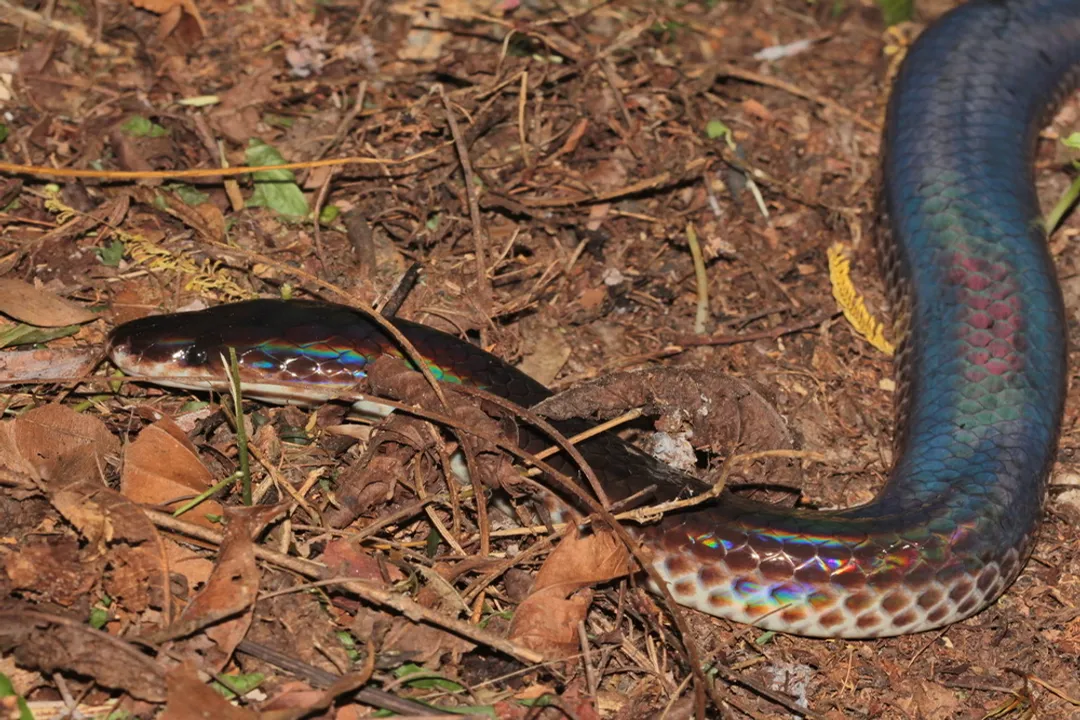
The common name, Sunbeam Snake, immediately conjures images of tropical sunlight glinting off a brilliant, almost metallic serpent, and this reputation is well-earned by the animal it describes, which belongs to the genus Xenopeltis. [2][8] However, while their appearance is dazzling, these snakes are not basking giants of the open savanna; they are secretive, ground-dwelling reptiles whose lifestyle contrasts sharply with their flashy exterior. [2][6] The Sunbeam Snake is a fascinating creature primarily recognized by its unique scales, which possess a remarkable optical quality that sets it apart from nearly every other snake species globally. [1][4] It represents a distinct lineage within the snake world, warranting a closer look at its biology and ecology. [1][5]
# Scale Magic
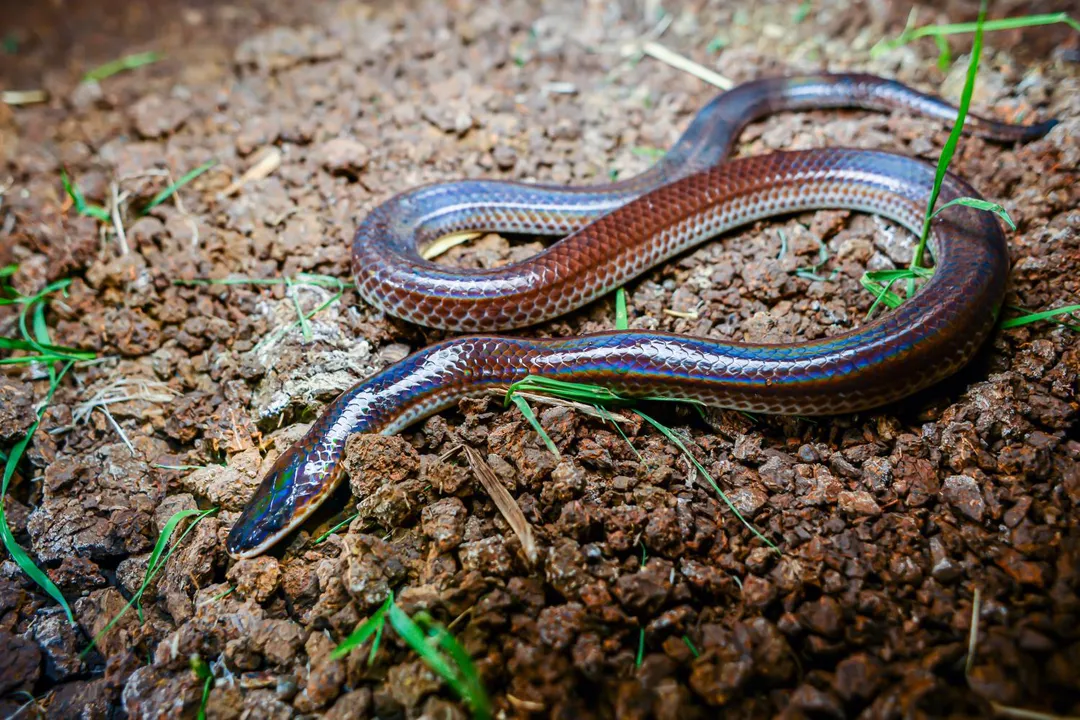
The most striking feature of the Sunbeam Snake, Xenopeltis unicolor, is undeniably its highly iridescent scales. [5][6] This visual effect is not due to pigment, but rather the physical structure of the scales themselves. [4] Each scale has multiple microscopic layers of keratin, arranged in a structure that acts like a diffraction grating. [4] When light hits these scales, it is scattered and separated into its spectral colors, creating a shimmering, rainbow-like sheen that can appear like liquid metal or oil on water. [2][4] This effect is so pronounced that the snake appears to glow, giving rise to its popular moniker. [3][8] The intensity of this sheen can change dramatically depending on the angle of the light source and the observer, moving from deep, dark brown or black to vibrant flashes of greens, blues, reds, and golds. [6][8]
It is interesting to consider the evolutionary trade-off here: a snake that spends significant time burrowing underground or hiding in leaf litter possesses one of the most visually spectacular integuments in the reptile kingdom. [2][6] While some surface-dwelling, highly colorful snakes use aposematism (warning coloration), the Sunbeam Snake’s primary defense seems to be its ability to disappear or distract. When observed in the field or perhaps only briefly exposed during a move between hiding spots, that sudden, brilliant flash might startle a potential predator long enough for the snake to retreat back into the substrate. [2] This optical defense mechanism, relying on physics rather than chemistry, suggests an adaptation for fleeting moments of exposure in its typically shaded or muddy environment. [6]
# Classification Standing
Scientifically, the Sunbeam Snake belongs to the family Xenopeltidae. [1] For a long time, it was categorized alongside boas and pythons due to some shared skeletal features, such as having a relatively simple jaw structure, but modern molecular and morphological data have solidified its position in its own monotypic family. [1][5] The genus contains just two recognized species: Xenopeltis unicolor and Xenopeltis hainanensis. [1][5] The species most commonly encountered and discussed is Xenopeltis unicolor. [5][6] The family name itself, Xenopeltidae, hints at its distinctiveness, meaning "strange shield". [1] This placement reflects the snake’s unique combination of characteristics that don't neatly fit into larger, more familiar snake groups. [1]
# Geographic Home
Sunbeam Snakes are native to Southeast Asia. [6] Their distribution covers a wide swath of the region, including countries like Vietnam, Cambodia, Thailand, Malaysia, Indonesia (including Java and Borneo), and parts of Southern China. [6][8] They are predominantly associated with moist, humid environments. [6]
The preferred habitat leans heavily toward areas with soft, loose substrate, such as muddy or sandy soil, often near water sources or in secondary growth forests and agricultural areas. [2][6] They are considered fossorial, meaning they are adapted for burrowing. [2][6] This behavioral tendency means that while they are present in an area, they are rarely seen above ground unless environmental conditions force them out, such as heavy rain or when moving between hunting grounds. [6] This preference for moving under the surface explains why their striking appearance is not frequently observed by casual hikers. [2]
# Life Below Ground
The Sunbeam Snake is largely a nocturnal animal, reserving its activity for the nighttime hours when conditions are cooler and damper. [2][6] When they do emerge, their movements are often slow and deliberate, reflecting a reliance on stealth rather than speed for evasion. [2]
Their diet consists mainly of soft-bodied prey, which makes sense for a snake that spends its time digging through moist earth. [6][8] Primary food sources include various types of slugs and earthworms. [2][8] Larger individuals may also consume small rodents, amphibians, or other small vertebrates they happen upon in their subterranean explorations. [2][6] Like many non-venomous snakes, the Sunbeam Snake is a constrictor, subduing its prey by wrapping around it before ingestion. [2]
In terms of physical comparison, the Sunbeam Snake is generally of moderate size, often reaching lengths around 3 to 4 feet, though larger specimens have been recorded. [6][1] Unlike some of their python relatives, they do not typically exhibit the heavy, muscular build one might associate with large constrictors; their body structure seems more streamlined for efficient movement through soil. [2] One key observation for those who handle them is that even when captive-bred and accustomed to humans, their primary instinct remains retreat into cover, often manifesting as immediate burrowing behavior if given the chance, even in a shallow substrate like wood shavings. [8]

# Handling Notes
For the experienced herpetoculturist, the Sunbeam Snake presents a reptile whose care requirements heavily mirror its natural history. [8] Providing a deep substrate layer—often several inches of peat moss, coconut fiber, or a suitable soil mix—is essential to allow them to exhibit natural burrowing behavior. [8] Maintaining high humidity is also critical, as dry conditions can negatively affect their delicate scales and overall health. [6]
When considering handling, it's important to remember their built-in defense mechanism is to disappear, not to strike aggressively, although any snake can bite if severely provoked or mishandled. [2][8] Because they are built for pushing through substrate, they possess a surprising amount of focused strength when actively trying to burrow away from your hands. This is a noticeable difference from handling a slender, surface-dwelling racer where the movement is about speed across a flat plane; handling a Sunbeam feels more like managing a tight, persistent pressure trying to push down and away simultaneously, which is a direct manifestation of their specialized subterranean anatomy. [2]
# Conservation Perspective
While the species Xenopeltis unicolor is currently listed as Least Concern by conservation bodies, there are regional pressures that warrant attention. [6] The primary threats come from habitat loss due to agricultural expansion and development across Southeast Asia. [6] Furthermore, their striking appearance makes them desirable in the international pet trade, which can lead to collection from wild populations if not properly managed through captive breeding programs. [2][6] If an area’s moist, soft soil is drained or compacted for building or intensive farming, the local population of these specialized burrowers will inevitably decline, as they cannot easily adapt to hard, dry ground. [6] Protecting the specific lowland forest and wetland edges they inhabit is key to their long-term survival.
# Sunbeam Snake Data Summary
To better visualize the key identifiers of this unique reptile, the following points summarize the distinguishing characteristics often noted in field guides and keeper resources:
| Feature | Description | Significance |
|---|---|---|
| Family | Xenopeltidae | Represents a distinct, basal snake lineage. [1][5] |
| Scales | Highly iridescent, multi-layered keratin | Creates rainbow, metallic sheen; structural color. [4] |
| Activity | Nocturnal and fossorial (burrowing) | Spends most time underground in soft soil. [2][6] |
| Diet | Slugs, worms, small vertebrates | Soft-bodied prey preference matches habitat. [2][8] |
| Range | Southeast Asia (Thailand, Indonesia, etc.) | Requires high humidity and moist substrates. [6] |
The sheer optical novelty of this snake ensures it remains a subject of both scientific interest and fascination for reptile enthusiasts. [4] Understanding that the spectacular light show is structural, not pigmentary, allows one to appreciate the complex nanoscale engineering that nature has achieved in this otherwise unassuming burrower. [4] It serves as a wonderful reminder that often the most visually arresting creatures are those whose daily lives are spent hidden from view. [2][6]
#Videos
Sunbeam Snake, The Best Pet Snake? - YouTube
Related Questions
#Citations
Xenopeltis - Wikipedia
The Visually Stunning Sunbeam Snake Slithers Under the Radar
Sunbeam Snake, The Best Pet Snake? - YouTube
Sunbeam Snake Care and Experiences - Facebook
Asian Sunbeam Snake (Xenopeltis unicolor) - iNaturalist
Common sunbeam snake (Xenopeltis unicolor) - Thai National Parks
Captive Husbandry of the Sunbeam Snake (Xenopeltis unicolor) by ...
Sunbeam Snake - Facts, Diet, Habitat & Pictures on Animalia.bio
[PDF] Sunbeam Snake (Xenopeltis unicolor)