Is a garden spider a carnivore?
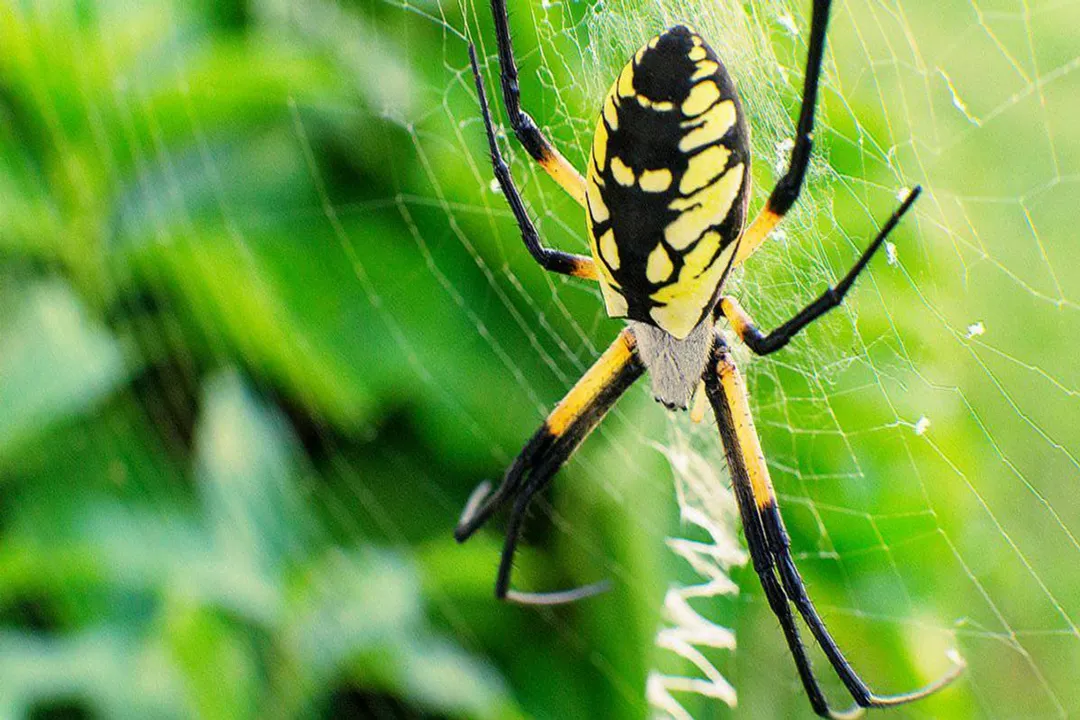
The simple answer to whether a garden spider hunts is an emphatic yes; these arachnids fit squarely into the world of carnivory. They are predators, relying entirely on other animals—specifically insects—for their nutrition and survival. [1][2][4][5][6] Unlike herbivores or omnivores, a garden spider's diet consists solely of captured animal matter, making their feeding classification straightforwardly carnivorous. [5] This predatory lifestyle is intrinsically linked to their most famous structure: the web.
# Meat Eaters
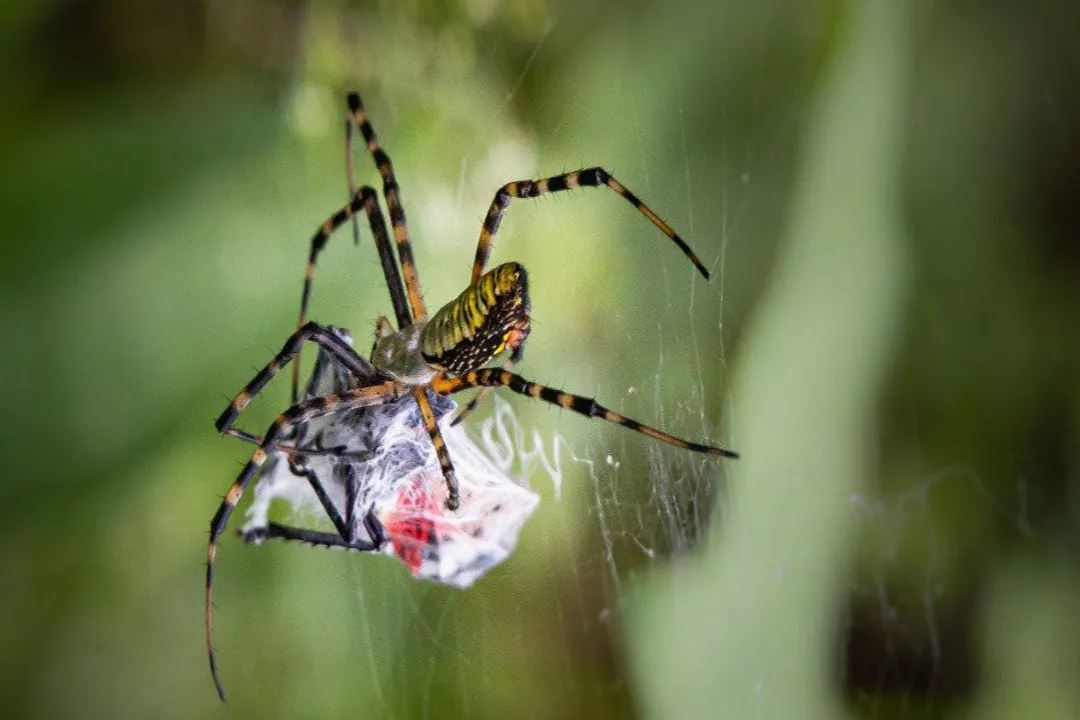
The classification of garden spiders as carnivores is established by their dependence on consuming other arthropods for protein and energy. [5] These spiders are not passive feeders waiting for food to fall into their path; they actively engineer an environment specifically designed to trap prey. [5] The intensity of their predation varies by species and sex, but the fundamental requirement for animal protein remains constant across the group. [4][5] For instance, the Black and Yellow Garden Spider, Argiope aurantia, is known for taking down prey significantly larger than itself, demonstrating a high degree of predatory capability. [4]
# Silk Structures
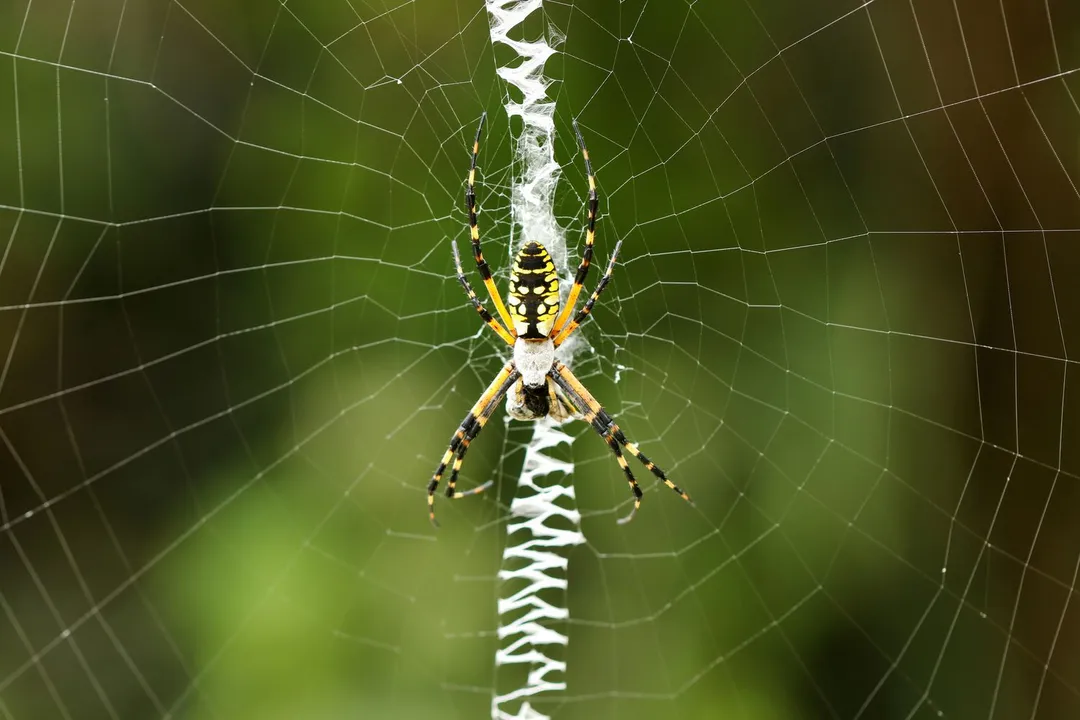
The mechanism enabling this carnivorous diet is the expertly constructed spider web, often the classic spiral or orb shape, which acts as a massive, sticky trap spanning between vegetation. [1][5][6] Different species construct webs with slight variations in design and placement. [4][6] The European Garden Spider, Araneus diadematus, spins a neat orb web, often built between shrubs or in corners of structures. [6] Meanwhile, the Argiope species typically build their large, classic orb webs near the ground in open, sunny areas. [4][8]
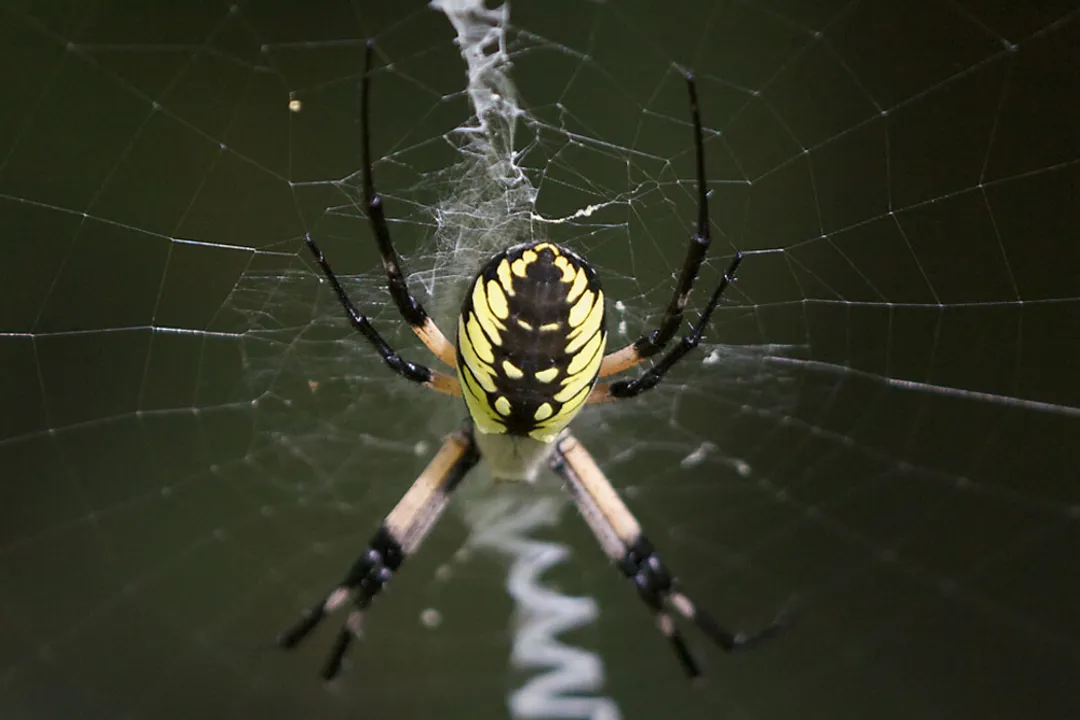
The effectiveness of the web is not accidental. It is engineered to maximize capture area while minimizing the structural material used. [5] A key feature in many Argiope webs is the addition of the stabilimentum, a dense, zigzag pattern of silk often placed in the center of the web. [4][5] While the precise function is debated—theories range from camouflaging the spider to advertising the web's presence—it certainly impacts how the web interacts with light and flying insects. [4][5]
A large orb web, like those spun by Argiope females, represents a significant investment in silk protein. The efficiency of their hunting, therefore, is not just about what they catch, but how often they replace the net. A strong summer wind or a heavy rainstorm can destroy hours of work, meaning their capture rate needs to quickly outweigh this structural overhead to maintain body mass, especially for the large females who are often preparing for egg laying. [1][5]
# Insect Menu
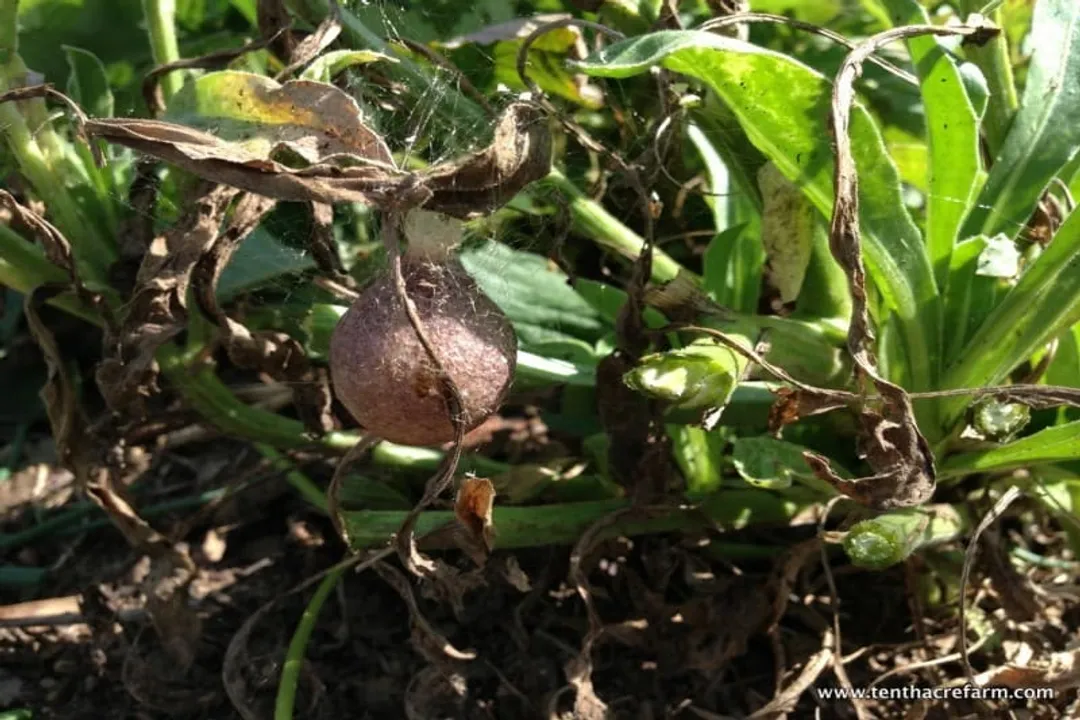
The variety of prey consumed by garden spiders reflects the insects available in their immediate environment, but there are clear favorites. [1][4] The primary sustenance comes from flying insects that stumble into the sticky threads of the web. [5] This diet commonly includes common garden and field pests such as flies, moths, wasps, and bees. [1][4][6] Grasshoppers are also a significant food source for species like the Argiope aurantia. [4]
When prey hits the web, the vibrations alert the spider, allowing it to quickly locate the struggling victim. [5] The size of the catch is generally limited by the size and strength of the spider and its web. While a small spider might only manage a gnat or a small fly, a mature female Argiope can successfully tackle a grasshopper or a large wasp. [4][5]
# Venom Action
Once the spider reaches its prey, the immediate next step is immobilization, which is accomplished using venom injected via their fangs. [5] This venom is the spider's specialized tool for converting a struggling meal into a manageable one. For the prey, the venom acts quickly to subdue them, preventing damage to the delicate web structure. [5]
The process doesn't stop at paralysis. After securing the insect, the spider wraps it tightly in silk, creating a neat bundle for later consumption or storage. [5] This wrapping is crucial, especially for larger, more dangerous prey like certain stinging insects. [5] Following wrapping, the spider typically introduces digestive fluids into the prey item. [5] These enzymes break down the internal tissues into a liquid state, which the spider then sucks out, leaving behind only the empty exoskeleton. [5] This external digestion is a hallmark of spider feeding behavior and is essential for their carnivorous existence.
# Type Variation
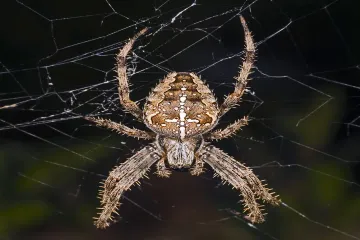
The term "garden spider" is a common name applied to several species that share a similar habitat and web-building characteristics, but they are not all the same creature. [6][7] Two frequently discussed examples are the Black and Yellow Garden Spider (Argiope aurantia) and the European Garden Spider (Araneus diadematus), sometimes called the Cross Spider due to the cross-like pattern on its back. [4][6]
| Feature | Argiope aurantia (Black & Yellow) | Araneus diadematus (European/Cross) |
|---|---|---|
| Abdomen Color | Bright yellow and black markings [4] | Brownish with a distinct white cross pattern [6] |
| Web Feature | Often includes a dense stabilimentum [4][5] | Classic orb web, usually lacking a prominent stabilimentum [6] |
| Size | Females are significantly larger than males [4][5] | Females are larger than males [6] |
| Habitat Context | Open, sunny areas, low to the ground [4][8] | Structures, shrubs, often higher up [6] |
Females in both common garden species are substantially larger than their male counterparts, a common pattern in many orb-weavers where the female needs more resources for egg production. [4][5][6] This size difference is directly related to their carnivorous requirements—the female needs a larger and more consistent supply of captured insects to support reproduction. [4]
Knowing which species you have can inform where you place netting or when you prune. For instance, if you observe the unmistakable large, bright yellow-and-black Argiope aurantia dominating a corner of your vegetable patch, understand that its presence is a natural pest control service, often targeting crop pests like aphids or leafhoppers that might otherwise multiply unchecked in a protected environment. [4][8]
# Spider Role
The consistent carnivorous diet of garden spiders places them in an important ecological role within gardens and fields. [1][2] They act as natural regulators of insect populations. [1][2] While the silk threads they spin might pose a minor annoyance to gardeners, the insects they consume are often those that feed on plants or bother humans. [1][4] Their hunting strategy keeps populations of various flying pests in check throughout the warmer months. [4] Because they eat what flies or crawls into their path, they are generalized predators rather than specialists, making them valuable additions to a balanced ecosystem. [5] This reliance on insects means that if a garden is heavily sprayed with broad-spectrum insecticides, the spiders will quickly starve or leave the area, which in turn can lead to outbreaks of pests that the spiders previously managed. [1]
Related Questions
#Citations
Garden Spider - Araneus diadematus - A-Z Animals
Garden spiders | Space for life - Espace pour la vie
The yellow garden spider (Argiope aurantia. Quick and efficient.
Golden Garden Spider - New Georgia Encyclopedia
Argiope aurantia | INFORMATION - Animal Diversity Web
Black and Yellow Garden Spider - DesertUSA
The Amazing European Garden Spider (Araneus diadematus)
Black and Yellow Garden Spider, Aurantia argiope - ThoughtCo
Is the Black and Yellow Garden Spider Safe To Have Around?