What is the myth about the Mexican mole lizard?
The Mexican mole lizard, Bipes biporus, presents a fascinating contradiction: it is simultaneously one of the most abundant reptiles in its native Baja California Peninsula habitat and one of the least seen, a duality that has allowed potent local folklore to flourish. This creature, which looks like a bizarre combination of a worm, a snake, and a mole, is frequently the subject of nervous whispers and exaggerated tales, particularly concerning its supposed tendency to invade human plumbing systems. The fear surrounding this small, pink reptile is rooted not in any actual danger it poses, but in its alien appearance and secretive, underground existence. [2]
# The Plumbing Panic
The most enduring piece of local mythology surrounding the Bipes biporus is the chilling idea that it lurks within plumbing lines, ready to emerge into a toilet bowl to attack an unsuspecting person. [2] This narrative, focusing on an invasion of personal, intimate spaces, is powerful enough to give the lizard a frightening reputation that often results in locals killing them on sight. [2] It is important to understand that this fear is entirely unfounded; there are no recorded instances of such an event occurring. [2]
This specific fear likely stems from a combination of factors. First, the lizard is mistaken for other things. Its legless appearance leads some to confuse it with a snake, while its pink, segmented body often leads to it being called a worm. [2] Second, it is known to surface after heavy rains or during the darkness of night, which, to someone unfamiliar with its habits, could seem like the perfect condition for an opportunistic emergence from a drainpipe. Furthermore, locals sometimes mistakenly call the lizard ‘Ajalote’, which is the Spanish term for the aquatic salamander, the Axolotl. [2] This conflation with another small, uniquely looking, submerged creature only adds fuel to the unsettling stories surrounding its presence near water sources and drains. [2]
# Subterranean Architect
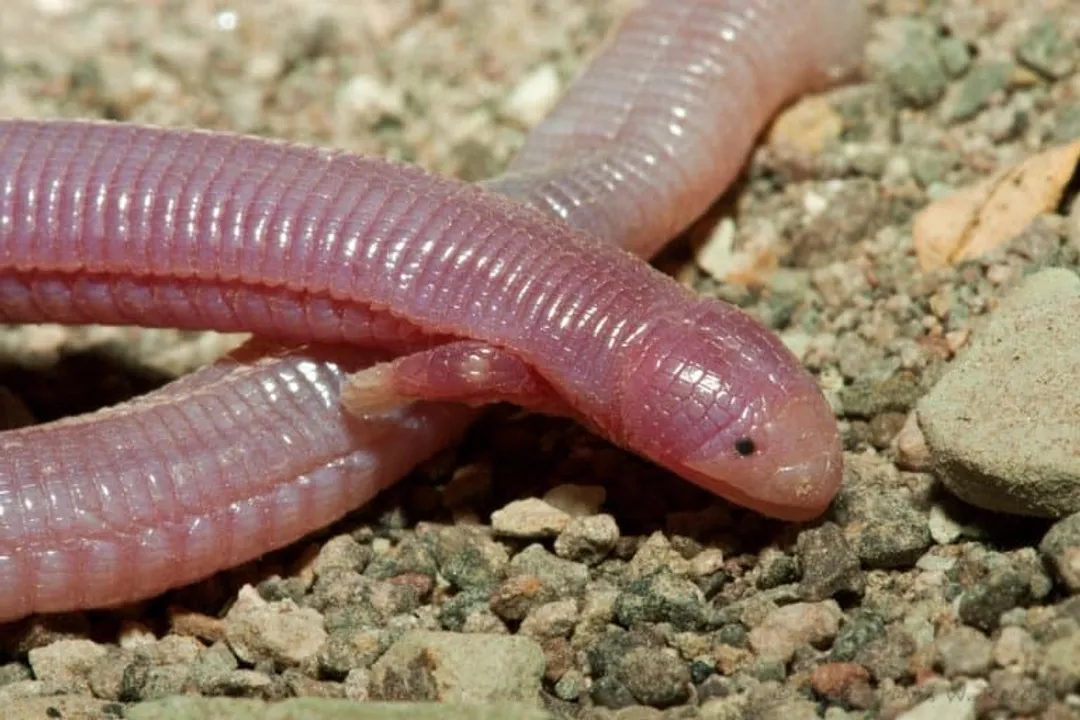
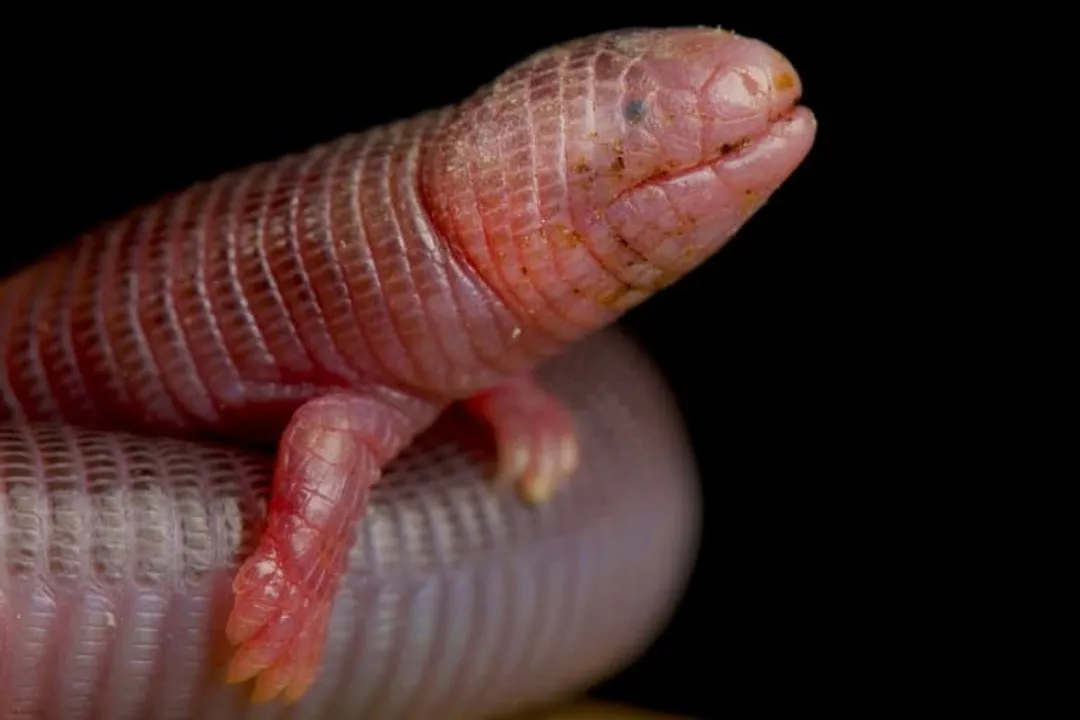
To fully appreciate the absurdity of the toilet myth, one must understand where the Mexican mole lizard truly lives: beneath the sand and loose soil of the arid Baja landscape. [1][2] These animals are specialized fossorial reptiles, meaning they are built almost entirely for digging. [3] They are members of the amphisbaenians, a group known for being mostly limbless burrowers, though the Bipes genus is unique in that it retains its small front limbs. [1]
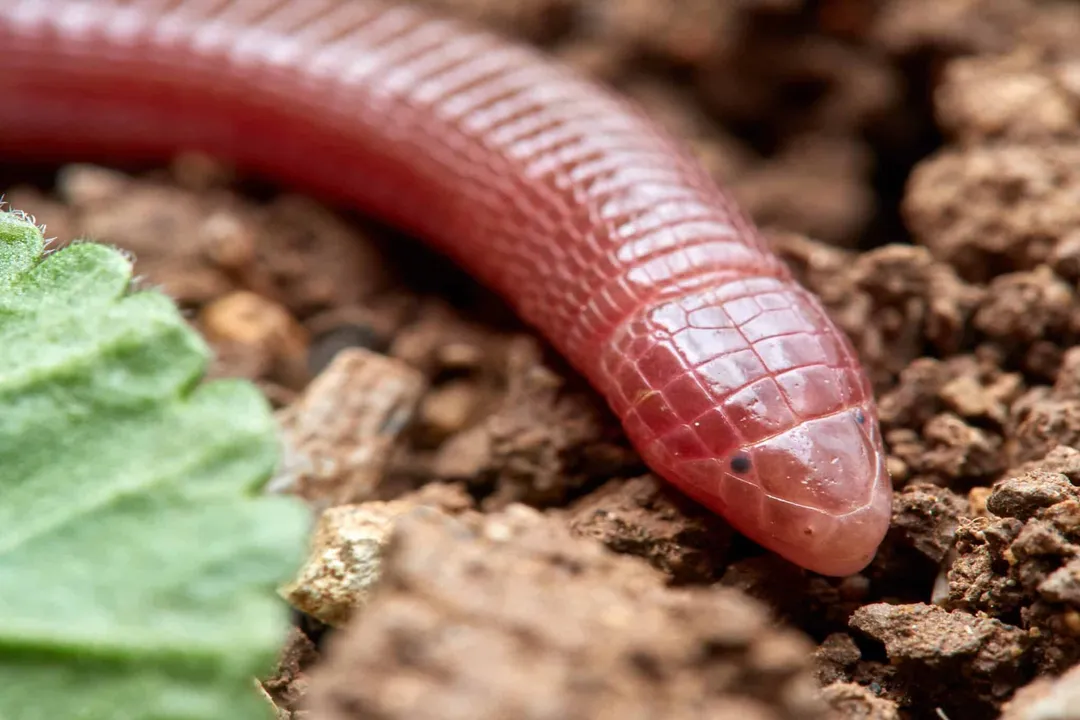
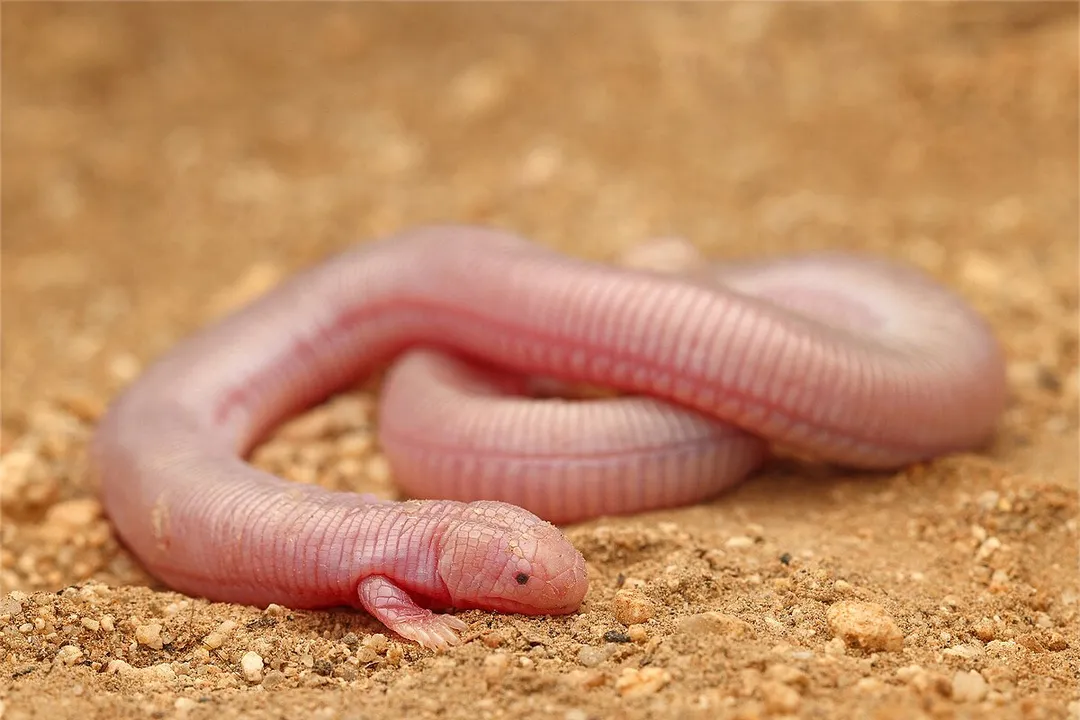
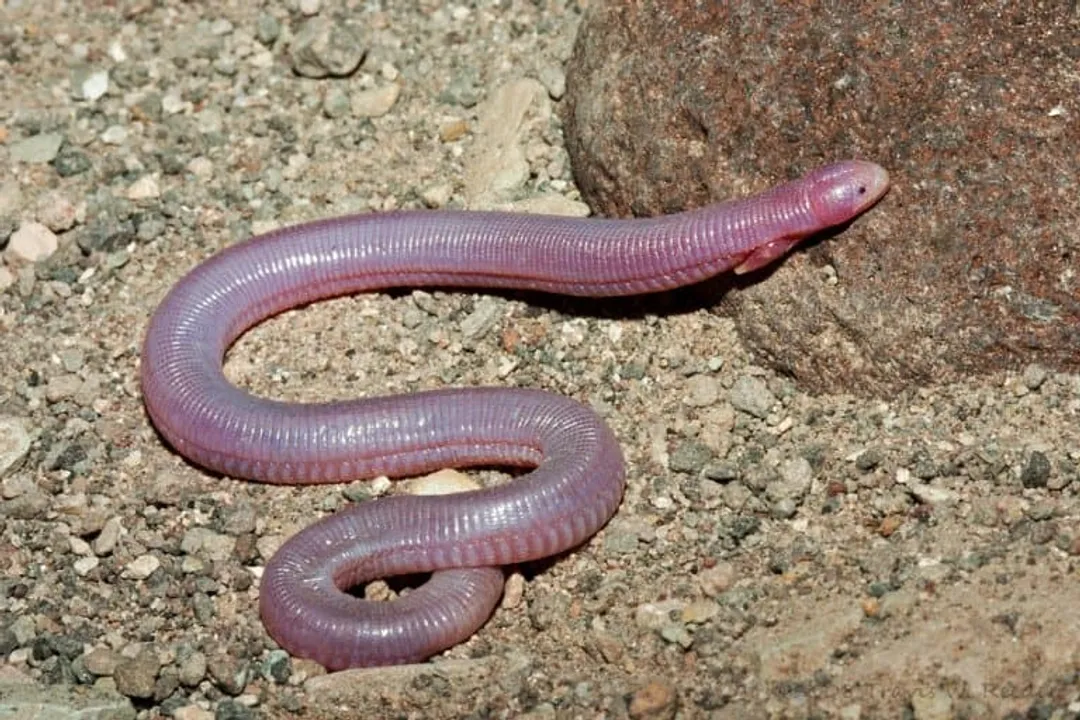
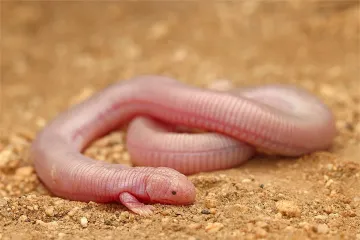
Visually, the Bipes biporus is striking. It is typically pink, though this color can fade to white as the animal matures, a consequence of living underground and lacking high levels of the sunlight-protecting pigment melanin. [2] They are slender, cylindrical, and their skin is segmented, giving them a corrugated look reminiscent of an earthworm. [1][2] Measuring between 18 and 24 centimeters in length, they are quite thin, usually only 6 to 7 millimeters wide. [1][3] Their heads are blunt, an ideal shape for moving efficiently through soil. [1]
Their method of locomotion underground is an adaptation that mimics an earthworm, utilizing peristalsis of the body segments to propel forward. [1][2] While they possess two small, strong, paddle-like forelimbs tipped with claws—which they use to dig and pull themselves along the surface—their hind limbs are entirely absent, existing only as vestigial bones detectable via X-ray. [1][3] This commitment to a subterranean life is so profound that it has influenced their very senses. They have greatly reduced eyes, only capable of detecting differences between light and dark environments, not forming images. [1][2] To compensate, they have evolved a novel sensory adaptation: their skin transmits ground vibrations directly to the cochlea, allowing them to effectively "hear" and track prey movements beneath the surface. [1][2]
# The Hidden Abundance
One reason for the creature’s legendary status is its elusiveness. It surfaces only rarely, typically after a significant rainfall or under the cover of darkness when hunting. [1][2] However, despite this near-invisibility, scientific surveys have shown that the Mexican mole lizard is, contrary to its mythical reputation as some rare monster, actually very common in its range. [2] Experts believe it may be the most frequently occurring reptile in the Baja region. [2]
This unexpected abundance in a hidden niche offers an interesting point of observation. For an animal that is supposedly the most common reptile around, its continued survival is entirely dependent on remaining unseen. The environmental conditions that allow for such a dense, stable population are intrinsically linked to the undisturbed nature of the deep, loose soils it requires. When urban development or agriculture encroaches, even if the lizard can burrow deeper initially, the alteration of the soil structure and micro-environment poses a direct threat to its life cycle and hunting efficacy. [2]
The creature's reliance on its immediate surroundings for survival is absolute. Because its skin lacks protective melanin, it cannot bask in the sun like many other reptiles to raise its body temperature. [2] Instead, its thermoregulation strategy involves positional control: moving its shallow burrows to areas that receive the correct amount of solar radiation, effectively using the surrounding soil as a thermal blanket. [2] This depth—generally between 2.5 and 15 centimeters—means that while it is mostly underground, it remains extremely sensitive to surface-level environmental shifts. [2] This complete dependence on the immediate substrate, managing temperature by moving mere inches up or down, makes its hidden existence both a successful survival tactic and a vulnerability to drastic surface changes.
# Life Cycle and Diet
The diet of the Mexican mole lizard confirms its role as an active predator in the soil ecosystem. It is an opportunistic carnivore, generally preying on anything it can catch and swallow. [1] Its menu is dominated by soft-bodied invertebrates found in the dirt: ants, termites, larvae, and earthworms. [1][2][3] Stomach content analysis suggests they bite and chew their meals rather than swallowing them whole, often dragging prey back into the security of their tunnel before consumption. [1]
Reproduction occurs exclusively underground during the middle of summer, usually involving the female laying one to four eggs. [1][2] After an incubation period of about two months, the young hatchling lizards—initially pink, then turning white—are relatively independent, already equipped with the innate ability to begin burrowing. [2] Their lifespan in the wild is remarkably short, often only one to two years. [1][2]
When confronting threats, such as the snakes that share their habitat, the Bipes biporus employs a dramatic, non-renewable defense mechanism: tail autotomy. [1][2] It can deliberately sever its tail to distract a predator or use the detached tail segment to plug a burrow entrance, buying precious seconds to escape. [1] However, this defense comes at a permanent cost; unlike many other lizard species, the Mexican mole lizard cannot regenerate its lost tail, meaning it has a finite number of "second chances" during its short life. [2][3]
# Identity Crisis
The confusion surrounding Bipes biporus isn't just limited to the toilet myth; it extends to its very classification. It is technically not a snake, nor is it a typical lizard, though it belongs to the order Squamata. [1] It sits within the amphisbaenians, often called "worm lizards". [1][2] Its family, Bipedidae, is unique because it is the only one within the amphisbaenians to possess functional limbs, hence the genus name Bipes, meaning "two-footed". [2]
The three recognized species within the Bipes genus—B. biporus (five-toed), B. canaliculutus (four-toed), and B. tridactylus (three-toed)—are genetically very similar, suggesting a shared environment and history across their allopatric ranges. [1][2] This creature occupies a fascinating evolutionary space, showing a commitment to burrowing so extreme that it resulted in the loss of hind limbs, yet retaining the grasping forelimbs necessary for effective soil displacement. This peculiar morphology, evolved in near isolation on the peninsula, results in an animal that seems designed by nature to be misunderstood by the very few humans who manage to spot it on the surface. While it is classified as Least Concern by the IUCN, the very stories that cause fear also result in its unnecessary demise at human hands, illustrating a classic conflict between deeply ingrained cultural apprehension and biological fact. [2][3]

Related Questions
#Citations
15 Mexican Mole Lizard Facts
Mexican Mole Lizard Animal Facts - Bipes biporus
Bipes Aren't Coming for You
Mexican mole lizard