What is a Mexican variant Aphonopelma chalcodes?
The classification of the tarantula species Aphonopelma chalcodes encompasses various populations across its native range, one of which is often informally referred to as the Mexican variant. Generally known by the common name Desert Blonde Tarantula, [3][6][7] A. chalcodes is a terrestrial species native to the arid regions of North America. [1][4] While many keepers and enthusiasts are familiar with the specific characteristics associated with the Arizona populations, the populations found south of the border in northern Mexico represent an important, though sometimes less clearly delineated, segment of the species' overall distribution. [9] Understanding this "Mexican variant" requires looking closely at the species' taxonomy, geography, and the subtle, sometimes debated, phenotypic differences between regional groups. [1][9]
# Taxonomic Standing

Aphonopelma chalcodes belongs to the family Theraphosidae, commonly known as the tarantulas. [1] In the realm of taxonomy, especially for widespread species like this one, common names can sometimes obscure complex geographical variations. The Desert Blonde is the prevalent designation for this species. [7] For many years, there has been some debate or lack of absolute consensus regarding the precise delineation of subspecies within A. chalcodes, particularly when comparing the Arizona populations to those found in Mexico. [9] Although they are all classified under the same binomial nomenclature, Aphonopelma chalcodes, keepers often distinguish between them based on subtle visual cues or origin data, leading to the informal naming of variants like the "Mexican Blonde". [9] The species account on iNaturalist confirms that while A. chalcodes is recognized, the subtle differences between geographically isolated groups often remain at the level of local observation rather than formal subspecies classification. [8]
# Geographic Range
The natural distribution of Aphonopelma chalcodes spans across the southwestern United States and into northern Mexico. [4] Specifically, the species is endemic to the deserts of Arizona, and parts of southeastern California and New Mexico. [1] This broad range naturally leads to regional variation, as populations become isolated by geography and climate, leading to differences in appearance, a process known as local adaptation. [1][4] The term "Mexican variant" directly references those individuals whose known collection origin places them within the northern Mexican states bordering the U.S.. [9] While the US populations, particularly those from Arizona, are frequently kept as pets and are well-documented, data concerning the exact extent and specific ecological niche of the Mexican populations can be harder to consolidate for the general public. [4] This difference in data availability often results in the Arizona type becoming the de facto standard reference point for the species. [6][7]
# Physical Traits
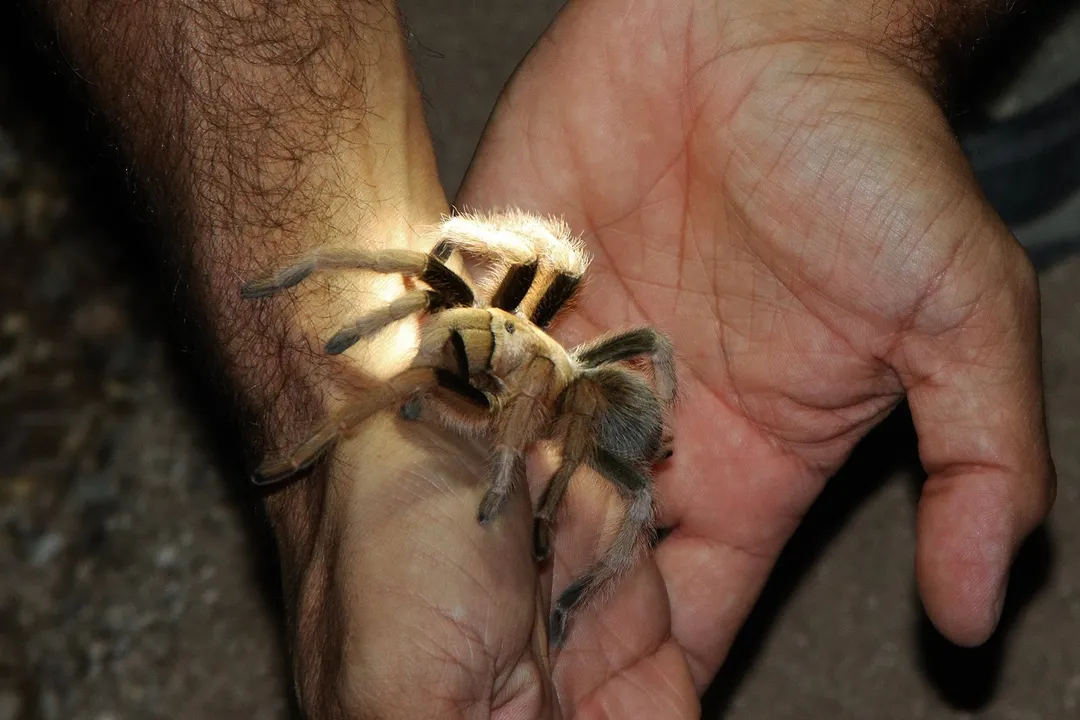
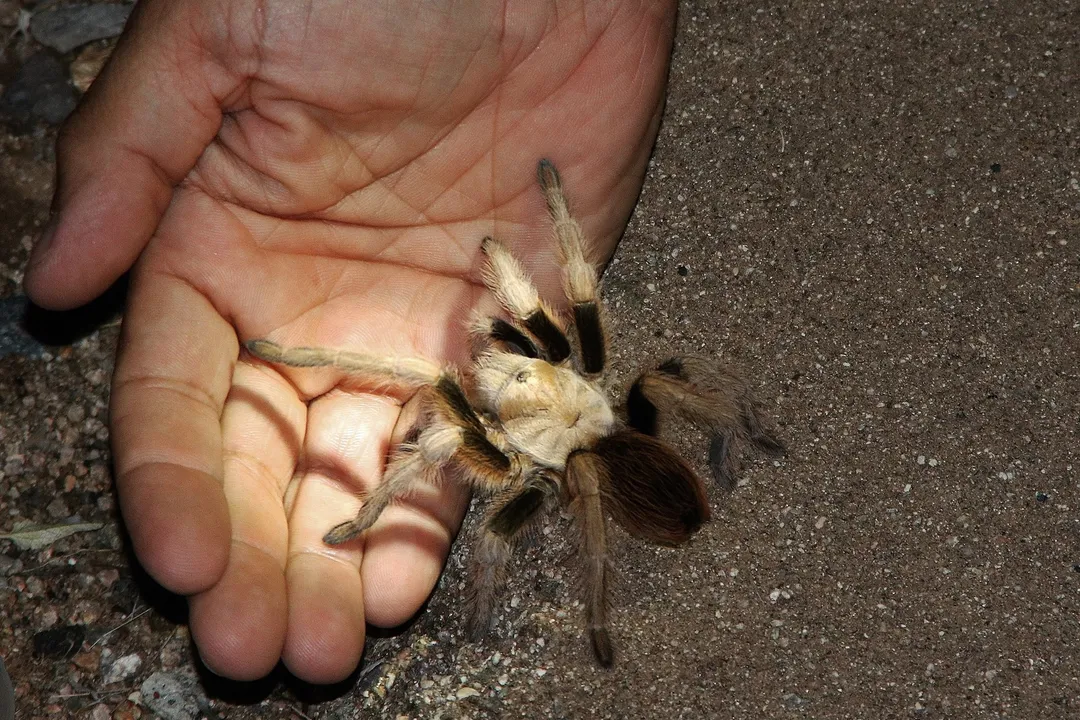
The general appearance of Aphonopelma chalcodes is characterized by a relatively dark body contrasted by lighter, often blonde or brownish-gold hairs, especially on the carapace and legs. [3][6] This blonde coloration is what lends the species its common name, the Desert Blonde. [7] Females are typically larger than males and often maintain a lighter coloration throughout their lives. [6]
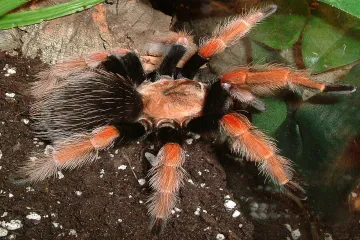
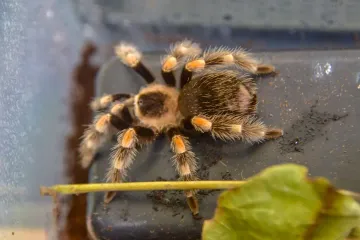
When keepers discuss the Mexican variant versus the Arizona variant, the differences are usually subtle and often relate to the intensity or hue of the blonde/brown coloration. [9] For instance, some anecdotal reports suggest that certain Mexican populations might exhibit a deeper, more coppery or reddish-brown tone to the leg hairs compared to some of the paler blonde specimens sourced from specific parts of Arizona. [9] However, because Aphonopelma chalcodes is known for having variable coloration even within the same region, these visual markers are not definitive scientific differentiators and should be treated as observations of local phenotype. [6] A mature female might reach a leg span of 5 to 6 inches. [4]
| Characteristic | Arizona Population (General) | Mexican Variant (Observed Tendency) | Citation Basis |
|---|---|---|---|
| Carapace Color | Light tan to blonde | Variable, sometimes deeper gold/tan | [3][6][9] |
| Leg Hair Hue | Often pale blonde/brown | Can trend towards reddish-brown | [9] |
| Distribution | Arizona, SE California, New Mexico | Northern Mexico | [1][4] |
| Temperament | Docile | Similar | [2][6] |
The Desert Museum notes that the coloration can vary significantly even within a single locale, meaning that relying solely on color to separate a Mexican-sourced specimen from a Californian or Arizonan one is unreliable for scientific identification. [3]
# Burrow Behavior
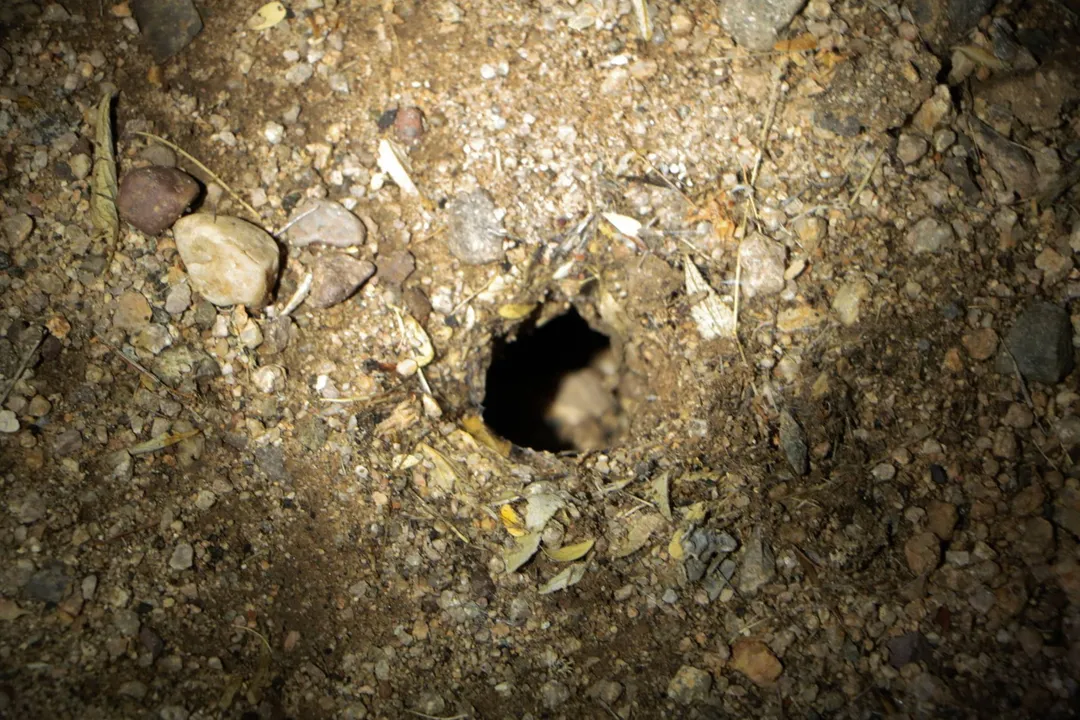
As a member of the Aphonopelma genus, A. chalcodes is fundamentally a terrestrial burrower. [2][7] In their native, arid environments, these tarantulas spend the majority of their time underground in silken-lined burrows. [4] This behavior is a critical adaptation to the harsh desert climate, allowing them to escape extreme surface temperatures, both the intense heat of the day and the cooler desert nights. [4] Their existence is tied to their ability to dig into the soil or modify existing crevices or rodent burrows for shelter. [1]
This instinct translates directly to captive care. A successful enclosure for any A. chalcodes, regardless of whether it is the Mexican or Arizona phenotype, must prioritize substrate depth to allow for natural burrowing behavior. [2][7] While they may occasionally wander across the surface, especially mature males seeking mates, the burrow is their stronghold and primary defense mechanism against environmental stress. [2] An insight gleaned from observing many hobbyists is that while a very shallow substrate might suffice for a juvenile, providing at least 6 to 8 inches of appropriate, tightly packed soil is essential for an adult's psychological well-being, even if they never fully excavate a deep tunnel system; the option to retreat is what matters most for stress reduction. [2][7]
# Keeping Captives
The care requirements for the Desert Blonde Tarantula are relatively consistent across its recognized populations, making the husbandry straightforward for beginners, provided the right environment is established. [2][6] Whether you have a specimen explicitly labeled as the Mexican variant or a standard Arizona Blonde, the fundamental needs remain the same: low humidity, high ventilation, and appropriate temperature gradients. [2][7]
# Environmental Needs
This species thrives in arid to semi-arid conditions. [2] Overly moist conditions are detrimental and can lead to respiratory issues or fungal growth in the enclosure, which is contrary to their dry desert origins. [7]
The substrate should be deep, as mentioned previously, usually a mix of topsoil and peat moss or coconut coir, kept mostly dry with perhaps a small, shallow water dish being the primary source of moisture. [2][7] Temperatures are best maintained in the mid-70s to high-70s Fahrenheit range ( to ), though they can tolerate warmer conditions temporarily due to their desert heritage. [2]
# Diet and Defense
Aphonopelma chalcodes are opportunistic eaters, consuming crickets, roaches, and appropriately sized worms. [2] They are not known for being overly defensive or fast-moving, often relying on retreat into their burrow rather than aggression when startled. [6] They possess urticating hairs, which they can kick off if sufficiently threatened, serving as their primary defense mechanism against predators. [1][4] While they do possess venom, their temperament is generally considered docile, which contributes to their popularity in the pet trade. [6]
# Longevity and Maturation
One of the most striking aspects of Aphonopelma chalcodes, which applies equally to the Mexican variant as to others, is the extreme disparity in lifespan between the sexes. [2][4]
Female Desert Blondes are renowned for their longevity. It is common for captive females to live for twenty years or more, sometimes reaching ages close to thirty. [2][4] This long life means the pet owner is committing to a companion that will likely outlive many other common household pets.
In contrast, the males have a very short adult lifespan, typically surviving for only one to two years after their final molt into maturity. [2][4] Males mature much faster than females, sometimes in as little as four to five years, but their sole purpose upon reaching maturity is reproduction, after which they decline rapidly. [4] This biological reality creates an interesting dynamic for breeders and keepers; if one acquires a mature male, their time with the animal is severely limited, whereas a female purchased at the same time represents a decades-long commitment. [4]
# Original Insights on Variant Keeping
Considering the source ambiguity surrounding the Mexican designation, a practical approach for keepers is necessary. Given that formal taxonomic revisions might take years to filter down to common trade names, the most valuable approach for an enthusiast is to treat every A. chalcodes specimen with the care appropriate for the species as a whole, while acknowledging that local adaptation might mean slight tweaks in husbandry are beneficial. [3][9] For instance, if a specific Mexican line is known to originate from a slightly higher altitude or coastal region within northern Mexico (data often provided by reputable sources), one might cautiously maintain a slightly higher ambient humidity (e.g., 55% instead of a bone-dry 40%) and monitor closely, simply as a precaution based on potential microclimate differences not captured by the general species profile. [2][7] This requires careful observation, as straying too far from the established desert-like parameters can still cause harm. [2]
Furthermore, when acquiring any variant, especially one whose origin is documented as "Mexico," it is important for the long-term health of the captive population to inquire about breeding history. [9] Because the official status of these named variants is sometimes fluid, establishing verified lineage becomes crucial for breeders aiming to preserve specific phenotypic traits (like a unique shade of blonde or tan) that might otherwise become diluted through interbreeding with commonly available U.S. stock. Without documented provenance, the perceived difference between a "Mexican" and "Arizona" specimen effectively vanishes within one or two generations of captive breeding. [9]
# General Identification Notes
While focusing on the Mexican variant, it is useful to quickly distinguish A. chalcodes from other blonde or brown Aphonopelma species, such as A. hentzi (Oklahoma Brown Tarantula) or A. moderatum (Rio Grande Gold). [1][6] The key often lies in the overall hair density and the specific coloration pattern. A. chalcodes generally has a lighter overall appearance due to the pale carapace hairs. [6] As noted by Dave the Bug Guy, the consistency of the blonde look across the carapace and legs, despite the darker underlying exoskeleton, is a hallmark distinguishing it from some relatives. [6] The presence of urticating hairs confirms it is a New World species, but proper identification relies on examining multiple features beyond just the general coloration, especially given the regional variations within A. chalcodes itself. [1][4]
Related Questions
#Citations
Aphonopelma chalcodes - Wikipedia
Arizona Blonde Tarantula (Aphonopelma chalcodes) care
Sonoran Desert Fact Sheet - Desert Blonde Tarantula
Aphonopelma chalcodes | INFORMATION - Animal Diversity Web
The Golden Retriever of TARANTULAS! Aphonopelma chalcodes ...
SPECIES SPOTLIGHT: Aphonopelma chalcodes, the Arizona Blonde |
Aphonopelma chalcodes – The Desert Blonde | Tom's Big Spiders
Desert Blond Tarantula (Phoenix Zoo - Arizona Trail) - iNaturalist
Is there a difference between the Arizona and the Mexican varient of ...