What is the temperament of a Mexican fireleg tarantula?
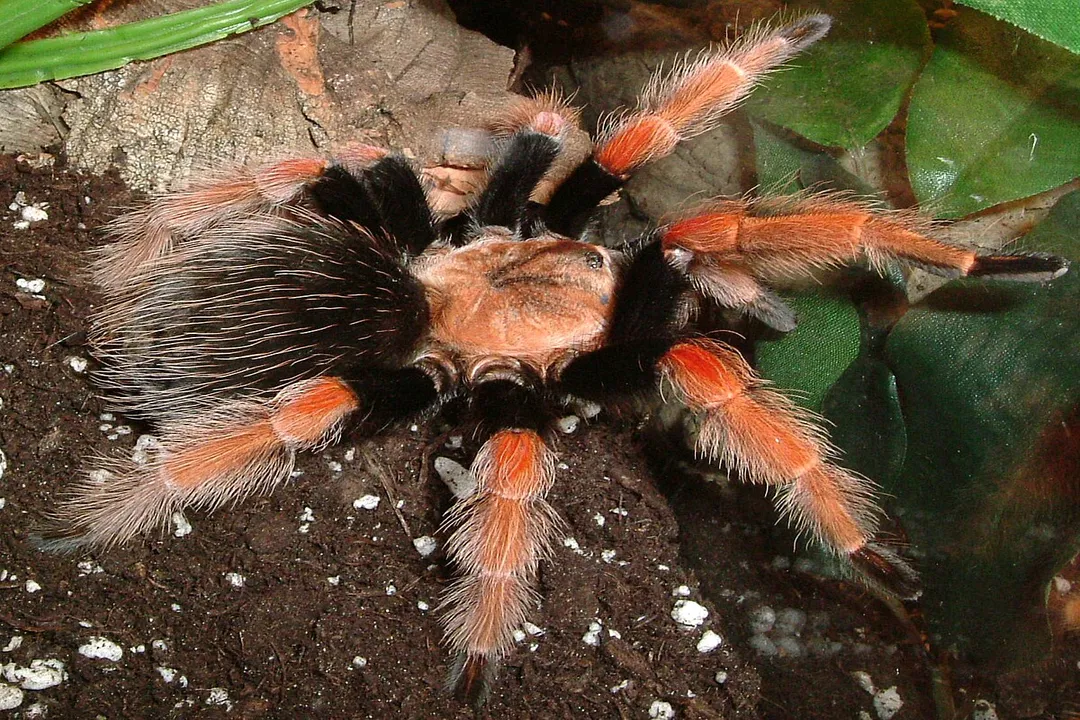
The temperament of the Mexican Fireleg tarantula, Brachypelma boehmei, is one of the primary factors driving its popularity within the arachnid-keeping hobby. Across numerous keepers and care guides, a remarkably consistent picture emerges: this species is widely considered docile and calm. [1][4][5][6][8][9] They possess a reputation that often places them near the top of lists for those seeking a placid, visually stunning pet. [7]
# Docile Nature
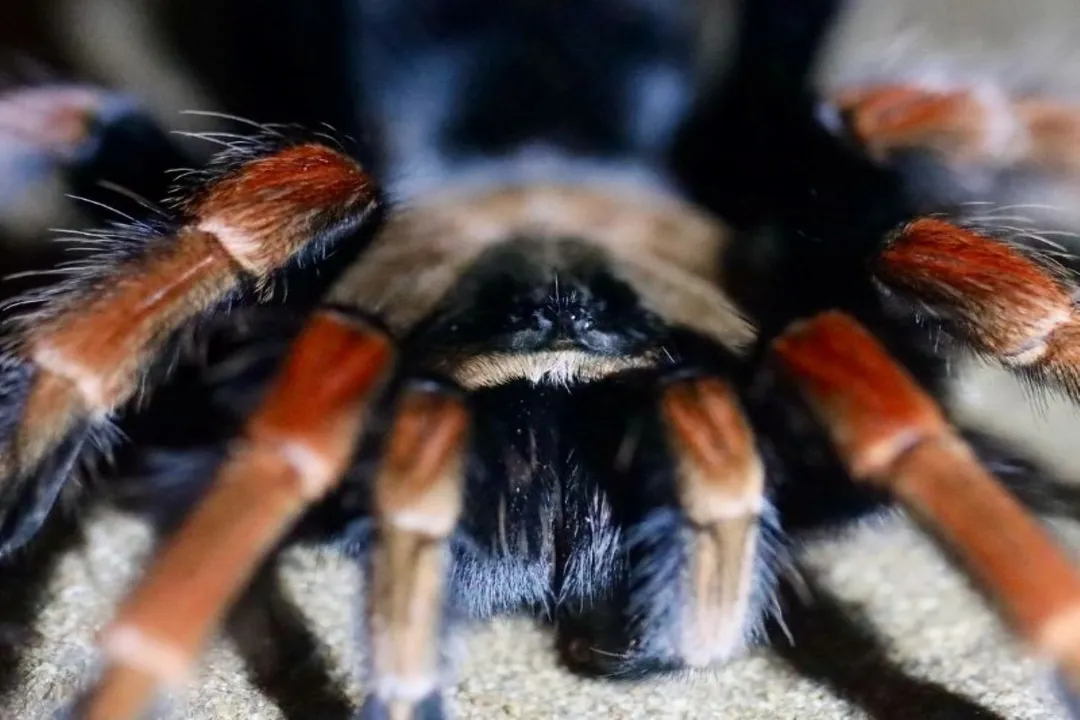
The agreement among descriptions of the Fireleg’s disposition is strong. They are routinely described as calm animals. [2][4][5][6][8] This docility means they are generally not quick to flee their hiding spots or display immediate aggression when their environment is checked or maintained. [1][7] For many enthusiasts, this relaxed attitude makes them an enjoyable species to observe over extended periods. [4] The expectation for a B. boehmei owner is generally a spider that sits quietly, perhaps surveying its surroundings from a corner or a burrow entrance, rather than one constantly pacing or showing stress behaviors. [1]
# Defensive Responses
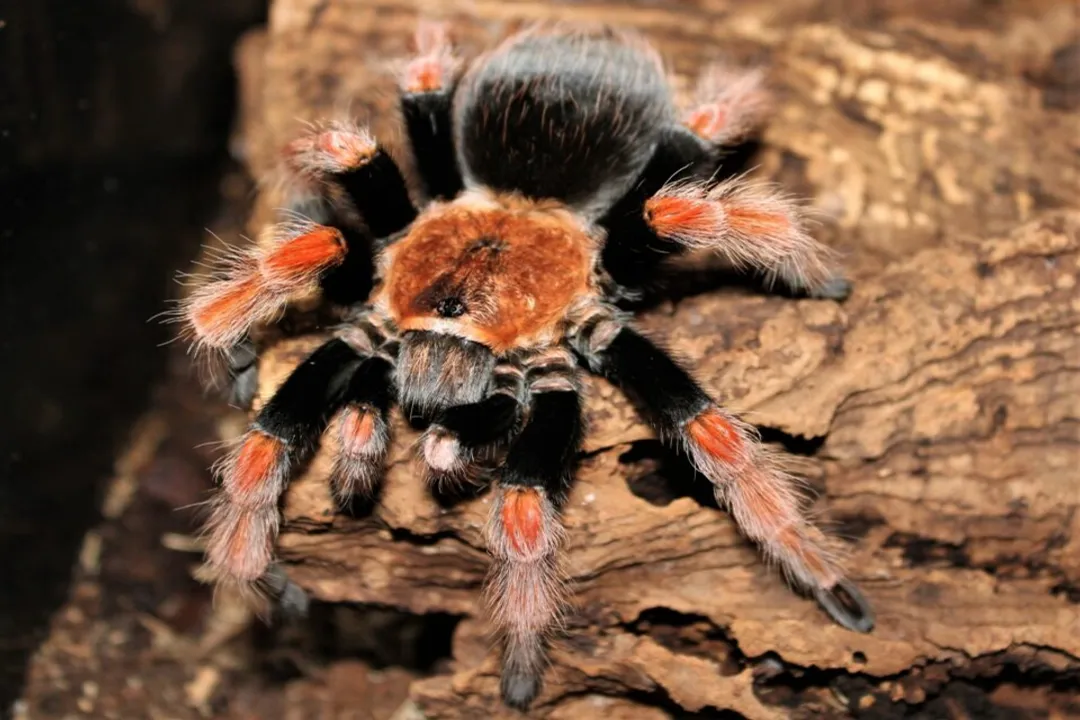
While the Brachypelma boehmei is generally laid-back, labeling it as completely hands-off is a critical mistake many new keepers might make based on the "docile" label alone. [2] Their primary line of defense, shared with many New World tarantulas, involves employing urticating hairs. [5][6][9] When feeling seriously threatened or startled, they will rear up into a threat posture—a classic defensive display—and use their hind legs to kick these irritating bristles off their abdomen toward the perceived danger. [1][7][8]
It is interesting to note the contrast between their stillness and their defense mechanism. A spider can be incredibly slow-moving, yet still possess an active defense that requires keeper respect. [1][2][7] This means that even if the spider has not moved for days, a sudden tap on the enclosure or even a shadow passing overhead might prompt an immediate hair-flicking response. [3] While they may rear up when distressed, sources indicate that biting is reserved as a very last resort, typically only occurring if they are improperly handled or physically trapped. [2] They much prefer creating a cloud of "spicy hay" than resorting to a venomous bite. [5]
# Movement Speeds

Another defining characteristic that contributes to the perception of calmness is their pace. The Mexican Fireleg is consistently cataloged as a slow-moving species. [1][2][4] This leisurely approach to traversing their enclosure means they are not likely to suddenly dart across an open space, which can be reassuring for keepers concerned about escapes. [7] This slowness pairs well with their generally sedentary nature, suggesting a creature that invests its energy into slow growth and infrequent movement rather than high-alert evasion. [5]
If an owner were to compare the typical reaction of a fast-moving species, like an Old World Pterinochilus (Baboon spider), which bolts instantly, the B. boehmei's slow, deliberate retreat or defensive bracing feels significantly less alarming. [1][2]
# Suitability Assessment
Because of their predictable nature, slowness, and minimal inclination toward biting, the Fireleg is frequently recommended for beginner tarantula owners. [4][7] However, this recommendation comes with necessary caveats that speak directly to their temperament profile. The beginner must understand that "docile" does not translate to "invincible" or "handleable". [2]
A crucial element of managing expectations for this species involves realizing that the primary interaction will be observation, not physical contact. Since the hair-kicking defense is highly effective against many potential predators, keepers should commit to never handling them outside of necessary maintenance like enclosure cleaning or rehousing. [4] It is a valuable thought exercise for a new owner to realize that the spider's temperament dictates that any attempt at holding it is essentially an invitation for it to deploy its primary defense mechanism, even if the keeper means no harm. [3]
This reinforces a healthy keeper mindset: the B. boehmei is a pet to be admired in situ. The calm demeanor means they are generally settled in their preferred hide or substrate, allowing for excellent, undisturbed viewing opportunities once their enclosure is set up correctly. [1][7] This stability contrasts sharply with more nervous terrestrial species that might spend all their time hidden after a routine water dish refill.
# Establishing Predictability
Understanding their temperament allows keepers to create an environment that minimizes stress triggers, which in turn reinforces their docile reputation. Because they rely heavily on their urticating hairs when startled, creating a low-disturbance habitat is paramount. [5][8]
For instance, when planning the substrate depth and decor, consider how often a disturbance might occur. If a keeper sets up a large water dish that necessitates frequent intrusion into the primary burrowing area for refilling, they are manufacturing stress events. [6] A better approach, given their tendency to stay put, is to ensure that the water source is placed near the periphery of the enclosure or perhaps utilize a method where the water dish only needs topping up when the tarantula is clearly visible and calm, rather than digging blindly toward where the spider might be hiding. [7] This proactive environmental management prevents the spider from defaulting to its defensive hair-kicking routine unnecessarily. [3]
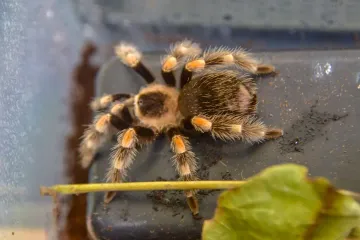
If one were to chart the behavioral profile of the Fireleg, it would look heavily weighted toward the Inert/Defensive quadrant rather than the Active/Evasive quadrant common in faster species. [1][2] They accept their space and defend it passively by making themselves irritating to touch, rather than actively trying to escape the threat entirely, which is a subtle but important distinction in their temperament. [5] This preference for defense-in-place is what makes them such visually rewarding, if sometimes static, residents. [4] The fire-colored legs, which give them their common name, serve as a clear warning display, allowing them to communicate their boundaries visually before resorting to kicking. [9]
Related Questions
#Citations
Brachypelma boehmei | Mexican Fireleg | Tarantula Care Guide
Brachypelma boehmei - Wikipedia
Mexican Fireleg : r/tarantulas - Reddit
Brachypelma boehmei (Mexican Fire Leg) Care Sheet
Brachypelma boehmei (Mexican Fireleg Tarantula) Information + ...
Mexican Fire Leg Tarantula - Breed Info - Petland Norwin, PA
The Care and Maintenance of the Mexican Fireleg Tarantula
MEXICAN FIRELEG TARANTULA | Scotland's Theme Park
Mexican Fireleg Tarantula - Australian Reptile Park