Are Mexican fireleg tarantulas poisonous?
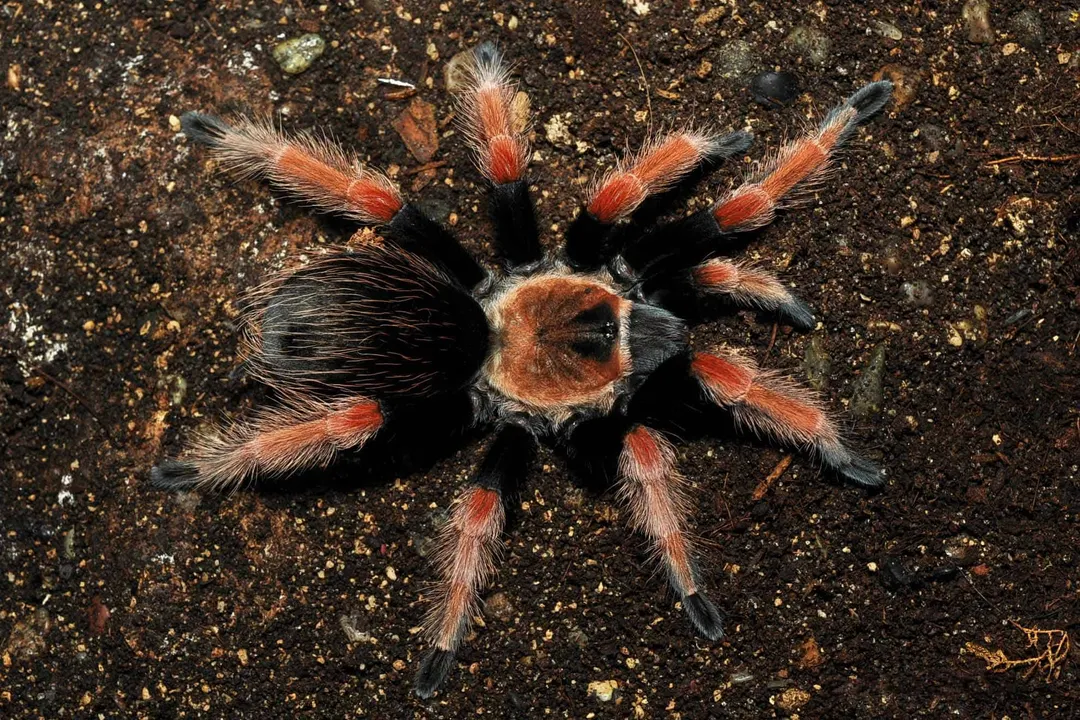
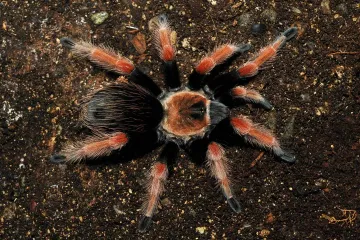
The Mexican fireleg tarantula, scientifically known as Brachypelma boehmei, belongs to a group of spiders that frequently draws intense curiosity and, often, misunderstanding regarding their capacity to harm humans. When discussing creatures like this, the precise terminology matters: these spiders are venomous, meaning they inject toxins through a bite, rather than poisonous, which implies toxicity upon ingestion. [3] The crucial follow-up question for any enthusiast or potential keeper then becomes the potency of that venom.
# Venomous Status
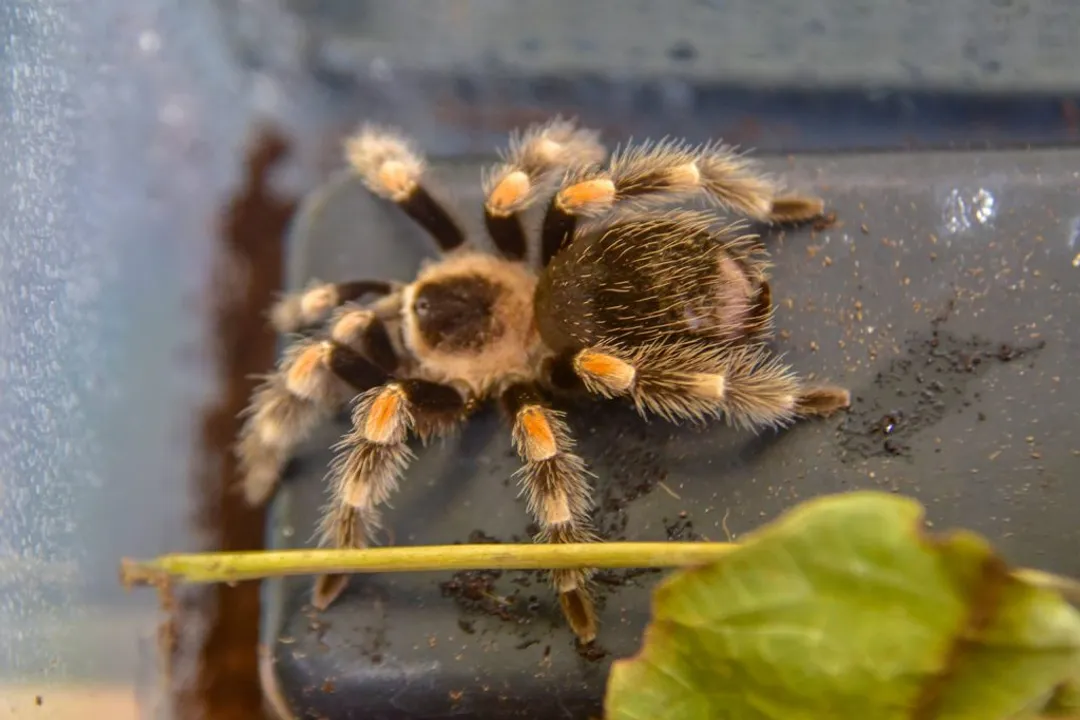
The consensus among keepers and zoological institutions is that while the Mexican fireleg possesses venom, it is generally not considered medically significant to humans. [3][8] This places them squarely in the category of exotic pets whose bite is usually comparable to a bee or wasp sting in terms of severity for the average person. [3] They are not listed among the truly dangerous or medically significant species of tarantulas that warrant extreme caution due to systemic effects. [8]
The Brachypelma genus, which includes the fireleg and the closely related Mexican red knee tarantula, tends to be defensive rather than aggressive. [2] This tendency means that a bite is often a last resort defense, usually preceded by other warning signals. [2] However, any bite from any spider carries the inherent risk of localized pain, swelling, and secondary infection, irrespective of the venom's toxicity profile. [6]
# Primary Defense
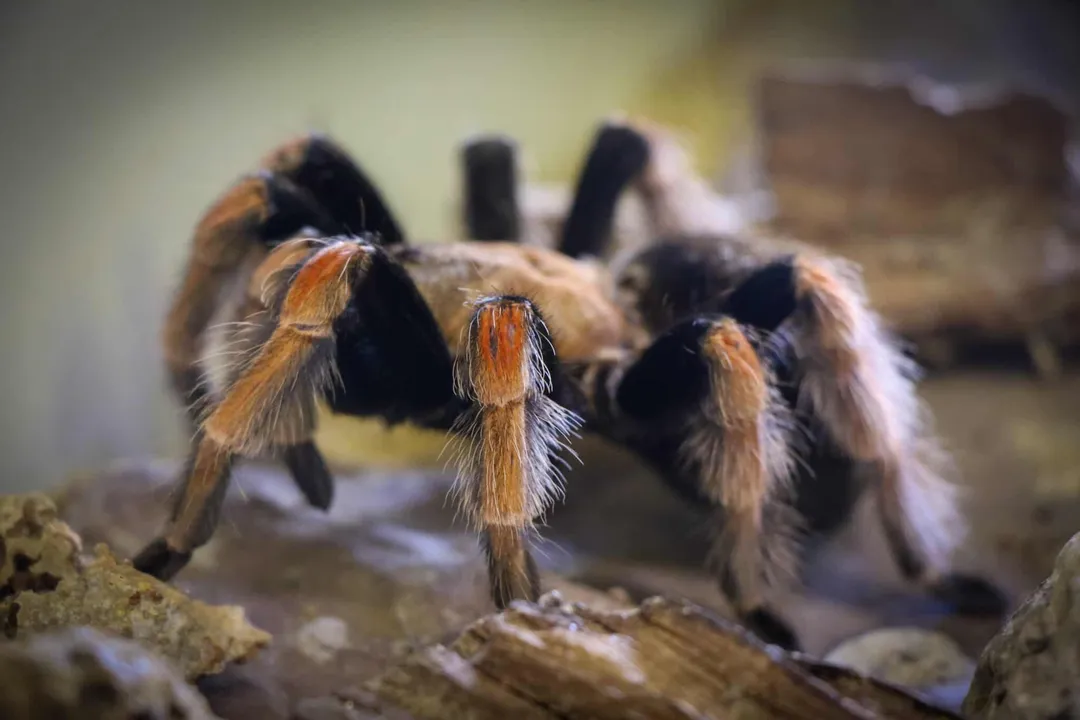
While the threat of a bite is low and its potential effect mild, the fireleg tarantula's more immediate and common defense mechanism involves specialized hairs. Like many New World tarantulas, B. boehmei possesses urticating hairs on its abdomen. [3][6]
When this spider feels threatened, it can kick these irritating bristles off its body toward the perceived threat. [3][6] These microscopic barbed hairs can cause significant discomfort if they land on bare skin or, more seriously, if they enter the eyes or respiratory tract. [3] For experienced keepers, managing this defense is a far more frequent concern than managing a potential bite. [6] This reliance on urticating hairs for defense, rather than potent venom, dictates much of the husbandry advice surrounding this species.
It is interesting to note the difference in defensive strategies across spider groups. While an Old World tarantula might rely almost exclusively on a defensive bite, the Brachypelma species seem to prioritize this physical dispersal of irritants, suggesting an evolutionary pathway tuned to deterring ground-based predators who might be less affected by a mild venom but very bothered by physical irritation. [2][3]
# Temperament Display
Understanding the typical behavior of the Mexican fireleg helps place the venom question into context. These spiders are generally known for being docile and slow-moving when undisturbed. [3] They exhibit characteristic behaviors common to many terrestrial tarantulas kept as pets, such as burrowing or hiding. [6]
When a fireleg does feel cornered or highly stressed—for example, during an improper or rough handling attempt—it will display classic warning signs. These often include raising the front two pairs of legs in a threat posture, sometimes revealing the bright orange-red leg markings that give the spider its name. [9] If this display is ignored, the urticating hairs come into play, followed only then by the possibility of a bite. [6] Respecting these visible warnings minimizes the chance of any negative interaction, venomous or otherwise.
# Keeper Considerations
For those interested in keeping Brachypelma boehmei, the focus shifts away from life-threatening risk toward proper environmental maintenance. As stated in care sheets, they require specific humidity and temperature ranges to thrive. [6] Successful ownership relies on providing a secure enclosure that satisfies their semi-fossorial nature, meaning they like to dig and hide. [6]
If a keeper accidentally introduces dust or fine substrate particles into the air during maintenance, or if the spider kicks hairs during a routine feeding, the reaction can range from mild itching to more pronounced dermatitis. [3] An essential tip for anyone working with urticating species is to keep a supply of high-quality adhesive tape readily available; this is surprisingly effective for gently removing hairs stuck on the skin before they cause further irritation. Furthermore, always washing hands thoroughly after maintenance, even without direct contact, is a simple preventative measure that minimizes the risk of inadvertently transferring irritants to sensitive areas like the face. [6]
# Similar Species Context
It can be helpful to compare the fireleg with its more famous cousin, the Mexican red knee tarantula (Brachypelma hamorii or B. smithi), as both share the genus and similar defensive profiles. [2][5] Both are prized for their coloration and relatively manageable nature. [2][5] While the Red Knee is widely exhibited in zoos, like the Maryland Zoo or the Saint Louis Zoo, [2][5] the Fireleg is equally recognized for its striking, vivid orange and black markings. [9] The fundamental venom and defense characteristics—mild venom, primary reliance on urticating hairs—remain consistent across these commonly kept Brachypelma species, suggesting a shared, non-aggressive evolutionary strategy compared to some Old World counterparts. [3][8]
The relative safety profile of the fireleg is a major factor in its popularity. In the world of tarantula keeping, where some species possess venom capable of causing severe systemic distress or prolonged symptoms, B. boehmei represents a lower-risk entry point, provided the owner respects the physical defense mechanism represented by those fiery legs. [8]
#Videos
What Happens if a Tarantula BITES You? - YouTube
Related Questions
#Citations
Mexican Fireleg : r/tarantulas - Reddit
Mexican Redknee Tarantula - The Maryland Zoo in Baltimore
Mexican Fireleg Tarantula - Brachypelma boehmei - A-Z Animals
Mexican red knee tarantula bite effects - Facebook
Mexican Red-kneed Tarantula | Saint Louis Zoo
Mexican Fireleg Tarantula (Brachypelma boehmei)
What Happens if a Tarantula BITES You? - YouTube
Are there any medically vsignificant /dangerous species of tarantulas?