Where are Mexican mole lizards found?
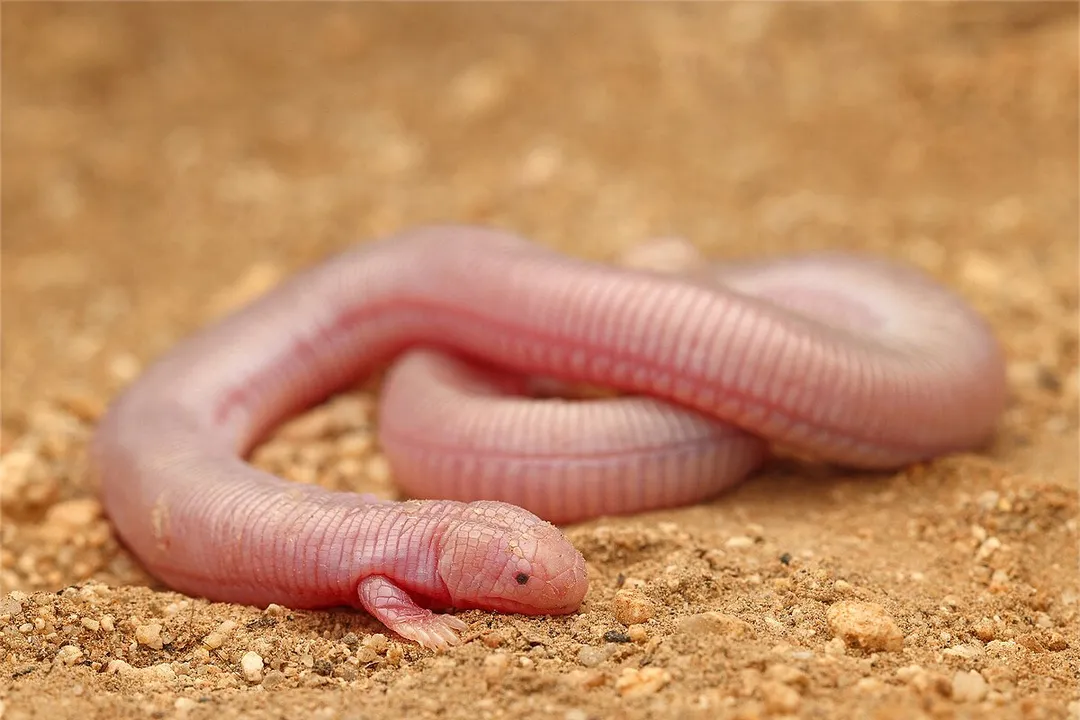
The Mexican mole lizard, scientifically known as Bipes biporus, is a creature that defies easy categorization, often being mistaken for a pink worm or a small snake due to its unusual morphology. [8] Its appearance alone sparks curiosity, but the real question for many observers becomes: where exactly does this peculiar reptile make its home? This animal possesses a highly restricted distribution, tying its existence closely to a very specific corner of the globe. [1][10]
# Restricted Habitat
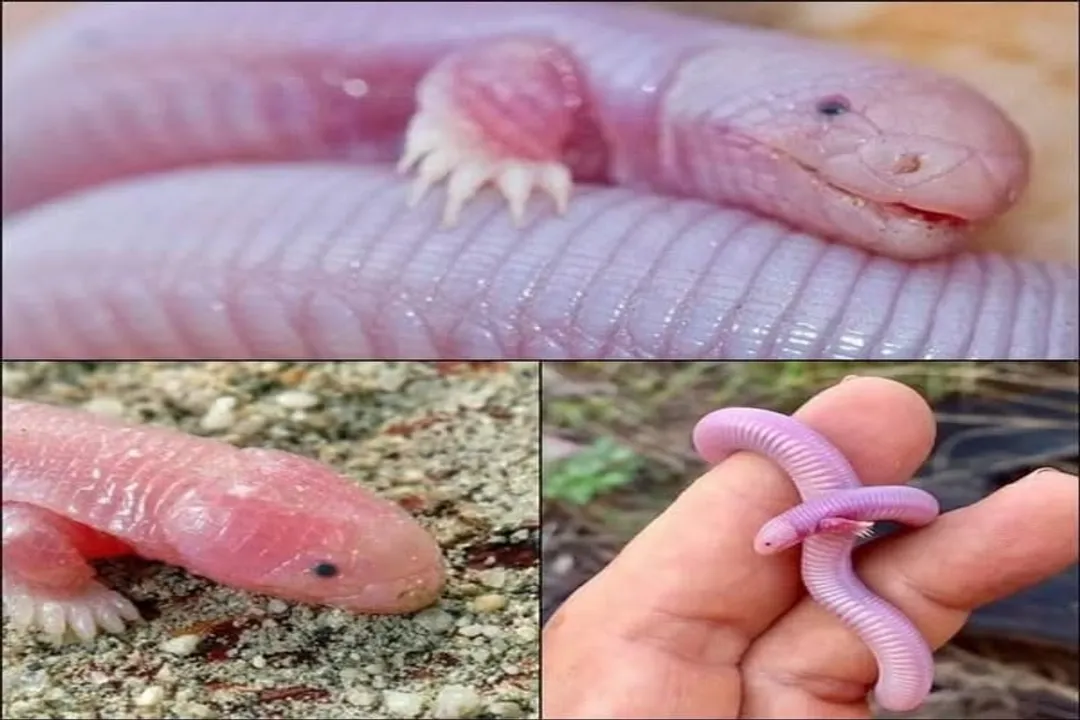
The most defining characteristic of the Mexican mole lizard's location is its status as an endemic species. [1][4][10] This means it is found naturally in only one specific geographic area, making its conservation status particularly sensitive to local environmental changes. [2] Specifically, the entire population of Bipes biporus is confined to the southern portion of the Baja California Peninsula in Mexico. [1][2][10]
Further refinement of this location points directly to the Mexican state of Baja California Sur. [4][5][6] While some general references might only state "Baja California," researchers and naturalists focus on the southernmost regions of this peninsula, which are characterized by arid, desert conditions. [2][5]
This confinement to the southern tip of the Baja California Peninsula means that if you traveled north along the peninsula or across the gulf to mainland Mexico, you would not naturally encounter this species. [1] The lizard's world is bounded by the unique geography of that specific desert region. [6]
# Desert Setting
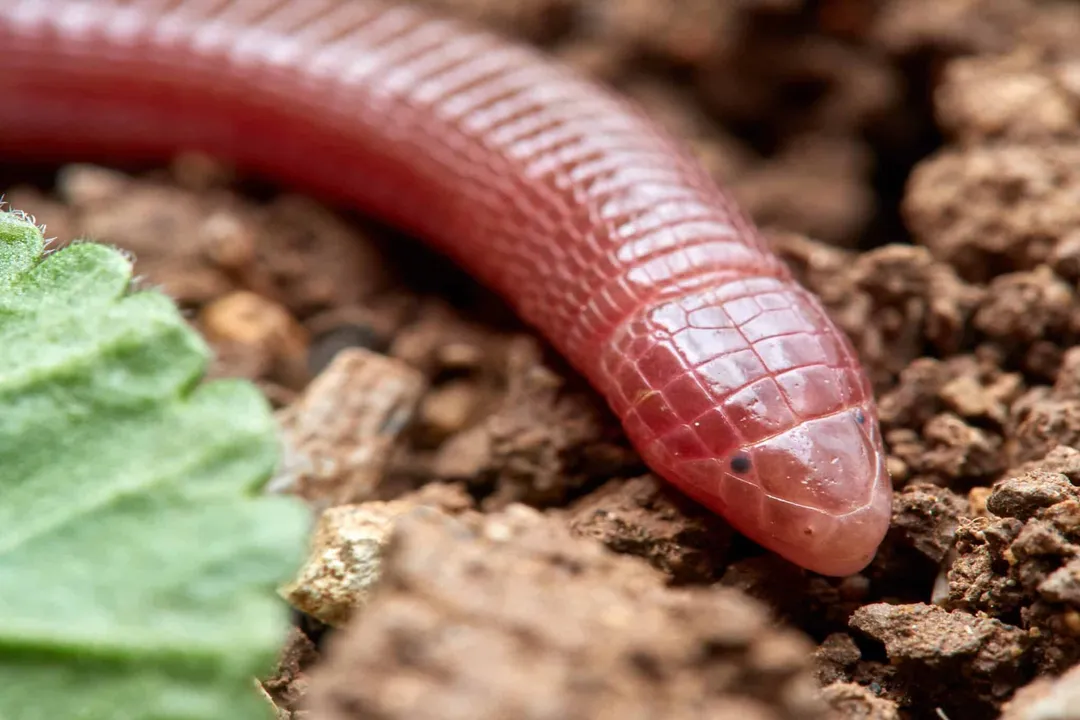
The environment that harbors the Mexican mole lizard is unequivocally desert. [5][6] This species thrives in the arid landscapes characteristic of southern Baja California Sur. [2][4] This setting dictates much about its behavior and physical adaptations. Living underground in a desert presents unique challenges related to temperature regulation and moisture retention, conditions the lizard has adapted to over millennia. [1]
When considering the exact environmental niche, the focus shifts from the general desert landscape to the soil beneath the surface. The Mexican mole lizard is an fossorial species, meaning it spends the vast majority of its life underground. [1] It is a digger, using its body to burrow through the soil, often seeking out insects, insect larvae, and ants, which form its primary diet. [2]
This subterranean existence creates a distinct ecological separation between the lizard and many other surface-dwelling desert reptiles. While one might spot other lizards basking on rocks in the Baja sun, the mole lizard remains hidden from view, insulated by the dirt above it. [1] If you were walking through the desert scrub of Baja California Sur, the presence of this creature would be entirely betrayed by the slight movement of the soil rather than by sight above ground. It is interesting to consider that despite its strictly desert, subterranean life, the lizard maintains a rather delicate, pink or flesh-colored appearance, suggesting its skin is not heavily adapted for UV exposure, reinforcing its need to remain beneath the surface. [5]
Given its small endemic range, the specific microclimates and soil composition within southern Baja California Sur are likely crucial for its survival, making it extremely vulnerable to localized habitat changes, perhaps more so than widespread desert species. A change in the soil structure—perhaps due to erosion or heavy machinery use—could effectively eliminate a local breeding population without any outward signs of environmental collapse visible from the surface.
# Physical Adaptations
The location is intrinsically linked to the lizard's striking morphology. Bipes biporus is most famous for its appearance: a two-legged, worm-like reptile. [8] It is entirely legless except for two small, spade-like forelimbs, which are used primarily for burrowing and moving through the soil. [2][10] These sturdy appendages contrast sharply with its otherwise smooth, snake-like body. [8]
This physical structure, while peculiar, is a direct adaptation to its habitat. In the fine, often sandy or loamy soils of the desert floor where it lives, having two powerful digging limbs provides an advantage over fully limbless snakes or lizards when navigating complex underground tunnels. [1] The absence of hind limbs is an evolutionary trade-off that prioritizes subterranean movement over surface locomotion.
# Rarity and Observation
Because the Mexican mole lizard lives almost entirely beneath the desert surface within such a confined area, actually observing one is quite rare, even for residents of its native range. [5] This elusiveness contributes to its mystique. [5] They are typically only found above ground briefly, often after heavy rains, or when they are accidentally unearthed during digging or excavation. [5]
If you were searching for this species, you would need specialized techniques focusing on soil sampling or tracking signs of subsurface movement within the appropriate desert areas of Baja California Sur. While the general habitat is known, the specific areas where they concentrate their activity—perhaps dictated by moisture levels or prey availability—remain less documented for the casual observer.
This rarity is magnified by its isolated range. Unlike creatures found across continents, the entire global population of Bipes biporus relies on the health and stability of that singular peninsula tip. Understanding where they are found is therefore not just an academic exercise; it directly informs efforts to protect this unusual, two-legged desert inhabitant from threats that might otherwise go unnoticed since they operate largely out of sight. [2]
While detailed population statistics are often difficult to obtain for such cryptic species, the combination of a limited range and fossorial lifestyle places it in a precarious position regarding environmental pressures affecting the Baja California Sur deserts. [10] Any future changes to the land use in that southernmost region will directly impact the survival odds of the Mexican mole lizard.
#Videos
Bipes Aren't Coming for You | bioGraphic
Related Questions
#Citations
Mexican mole lizard
Bipes biporus (Five-toed Worm Lizard) | INFORMATION
The Mexican mole lizard is a species of reptile that ...
😲 The Bipes biporus, known as the Mexican mole lizard ...
Mexican mole lizards: The elusive bright pink reptile found ...
Mexican Mole Lizard Animal Facts - Bipes biporus
Mexican Mole Lizard - Minecraft Mobs Wiki - Fandom
Bipes Aren't Coming for You | bioGraphic
Mexican Mole Lizard - Facts, Diet, Habitat & Pictures on ...