How big do Lazarus lizards get?
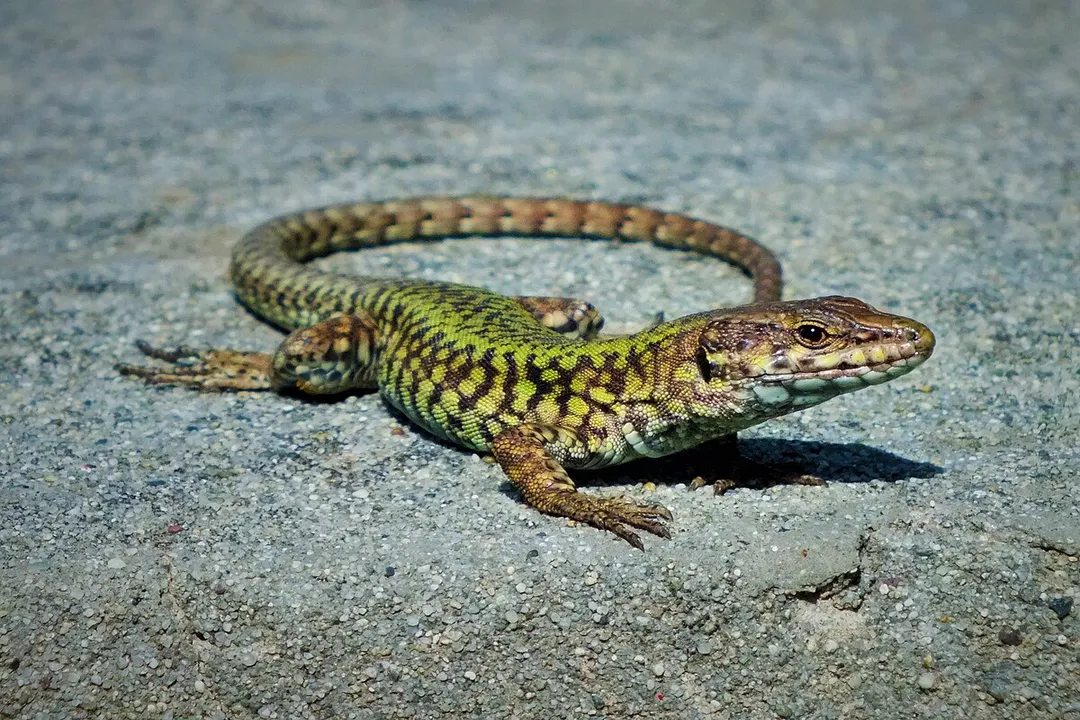
The lizard often referred to as the Lazarus lizard is the European Common Wall Lizard (Podarcis muralis), a species that has established itself in certain regions, most notably around Cincinnati, Ohio, where it has been present for over seven decades. [4] When people inquire about the size of these fascinating creatures, the answer often centers on their total length, but understanding their body structure provides a clearer picture of just how large these small reptiles grow. [2]
# Maximum Dimensions
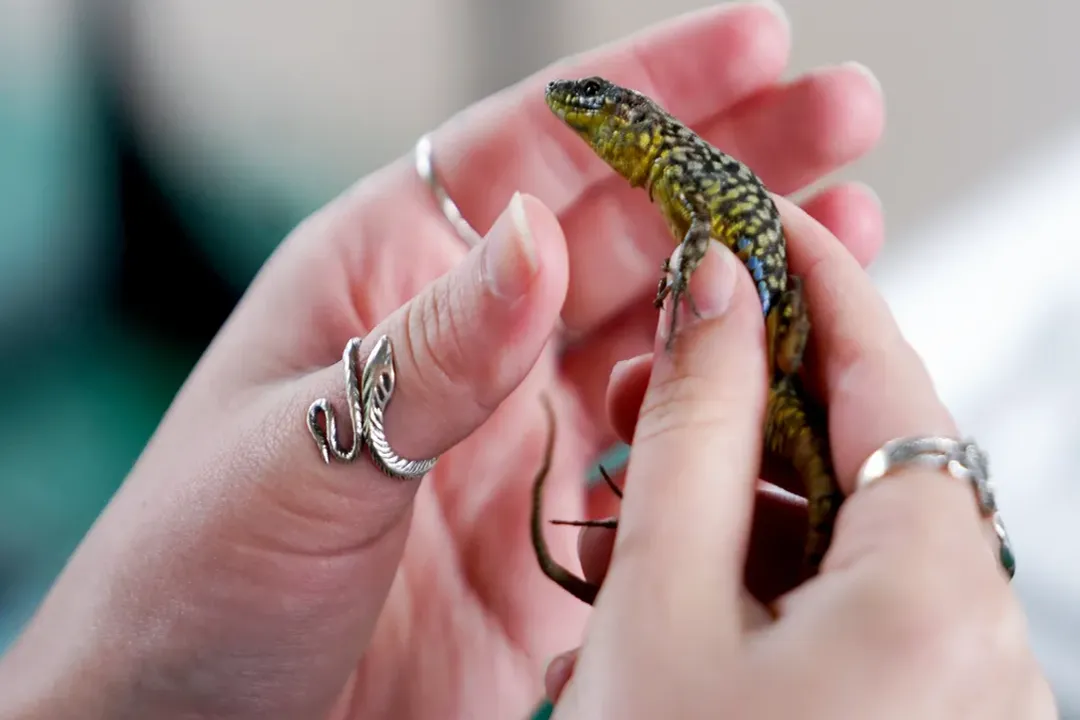
Generally speaking, the Common Wall Lizard is a relatively small reptile. Across various sources describing Podarcis muralis, a consistent range for total length emerges. Adults can reach a maximum total length of about 20 centimeters (approximately 8 inches). [1][5][2][8] However, this top-end measurement is often the result of a very long tail, which is a common feature in many lizard species where the tail can constitute a significant portion of the overall length. [2]
A more telling metric for the lizard's actual body mass and structure is the snout-vent length (SVL), which measures the distance from the tip of the snout to the base of the tail, excluding the tail itself. [2][5] On average, the SVL for an adult lizard is around 6 centimeters (about 2.4 inches). [2]
To put this SVL into a more relatable context, imagine a standard US dime coin, which has a diameter of about 1.8 cm. An adult lizard's body, from nose to where the tail begins, is roughly three to three and a half dime-widths long. [5] This measurement confirms that, while their tails can stretch to make them seem longer, the core lizard body remains quite petite. [9]
Here is a comparison of the reported maximum body measurements found across descriptive sources:
| Measurement Type | Typical Max Range | Specific Max Reported | Source |
|---|---|---|---|
| Total Length | 15–20 cm | Up to 20 cm (8 in) | [7][1][5] |
| Snout-Vent Length (SVL) | ~6 cm | 6.5 cm (Male) | [2][5] |
The minimum reported total length suggests some individuals might be significantly smaller, with some sources indicating a range starting as low as 12 cm for total length, though the established adults are generally closer to the 20 cm maximum. [9]
# Gender Differences
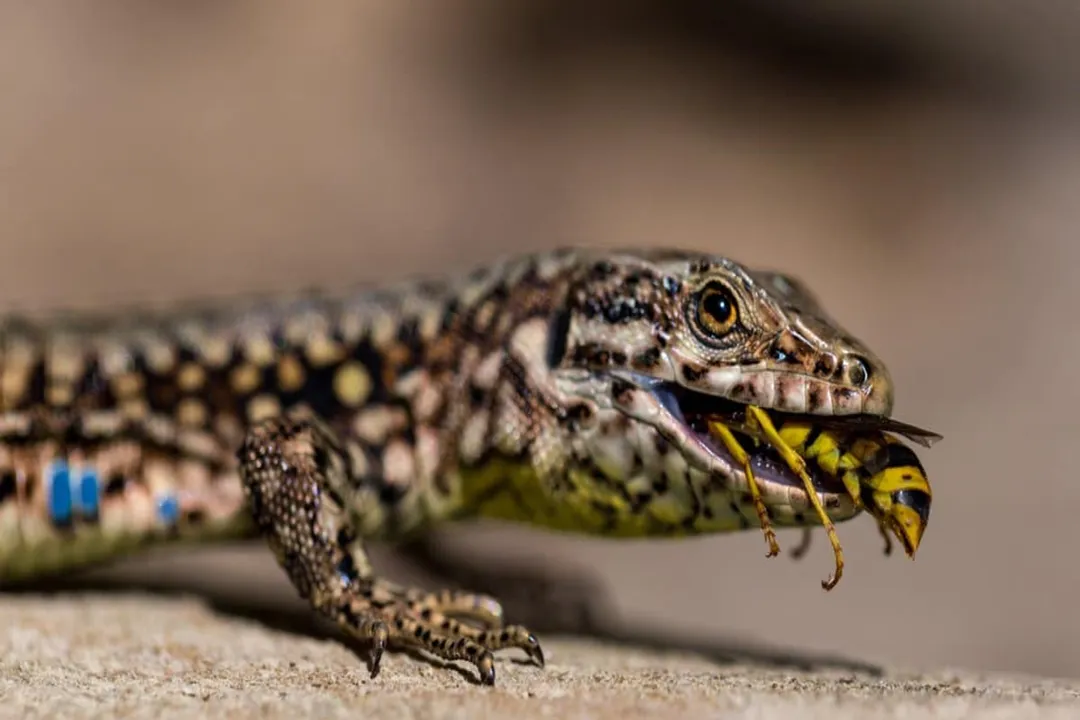
Sexual dimorphism, the difference in physical characteristics between males and females of the same species, is present in the size of the European Common Wall Lizard. [2] Specifically, the males tend to be longer overall than their female counterparts. [2]
When looking closer at the SVL data, this difference becomes quantifiable:
- Males have been documented with a maximum SVL approaching 6.5 centimeters. [5]
- Females typically reach a slightly shorter maximum SVL of about 5.8 centimeters. [5]
While this difference is noticeable when comparing the largest specimens of each sex, it is a subtle variation of less than a centimeter in body length. [5] It suggests that while males may have a slight physical advantage in body size, both sexes generally fall within a very similar size bracket, reinforcing their categorization as small lizards. [6]

# Growth and Maturity
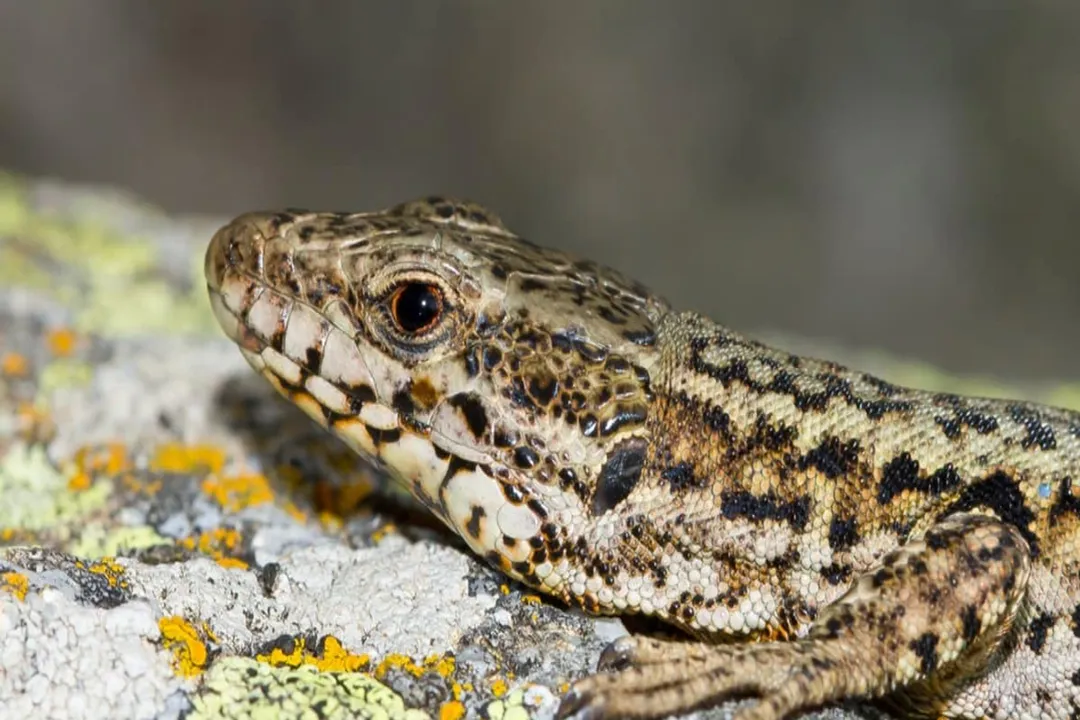
The time it takes for a hatchling to reach these mature dimensions is not detailed in the provided information, but the progression from a smaller juvenile to an adult confirms that size increase occurs over time following emergence. [2] The fact that the known population in the Cincinnati area has been present for over 70 years suggests a successful, established, and reproducing population capable of reaching full adult size in the local conditions. [4]
The size a wall lizard attains can be influenced by its environment and resource availability. In an area where food is plentiful and predation pressure is managed, individuals are more likely to reach the upper end of their genetically determined size range. [1] Conversely, in environments where resources are scarcer, one might expect to find more individuals clustering toward the lower end of the 12 to 20 cm total length spectrum. [9] This variability is something to observe if you are tracking local populations, as the average size observed in one area might be slightly smaller than the maximum potential size documented elsewhere. [2]
# Local Observations
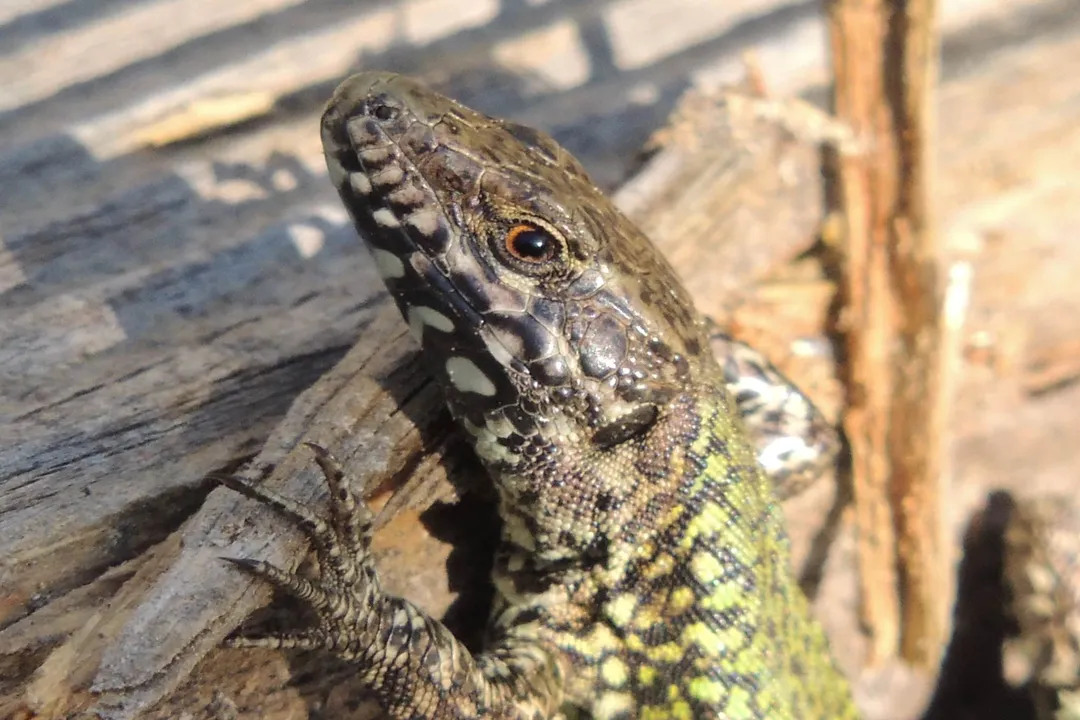
The population established in places like Cincinnati provides a real-world example of P. muralis thriving outside its native European range. [4][6] These lizards have adapted to utilizing various structures in urban and suburban environments, making them a common, albeit sometimes unnoticed, resident. [3] Their small stature allows them to easily navigate crevices, stone walls, and building foundations—structures that offer both basking sites and refuge from predators. [2]
When observing these lizards in the field, it is important to remember that a very quick flash of movement is often a large adult exhibiting a defensive posture, or perhaps a smaller one making a rapid escape. [3] Because the tail can break off when grabbed, an individual found with a very short or absent tail might actually have been a larger lizard that lost its appendage, making a visual assessment of its true potential size difficult without seeing it in its entirety. [2] Experienced observers learn to estimate the body size (SVL) as the most reliable indicator of maturity, regardless of tail regeneration status. [5]
Considering their prevalence in areas like Cincinnati and their ability to adapt to human-altered landscapes, the Lazarus lizard remains a small but surprisingly resilient visitor to North American ecosystems. [4] Their size allows them to exploit niches unavailable to larger reptiles, contributing to their success as an introduced species. [7]
Related Questions
#Citations
Lazarus Lizard Animal Facts - Podarcis muralis
Podarcis muralis
DNR: Fish & Wildlife: Wall Lizards
For more than 70 years, European common wall lizards ...
The Common Wall Lizard: Description Of The Species
Cincinnati's 'gazillions' of lizards could guard from Lyme disease
European wall lizard
The Lazarus lizard by any other name…
Common Wall Lizard: Facts, Diet, Habitat & Pictures