What specific invertebrates dominate the diet of the Bipes biporus according to stomach content analysis?
Answer
Soft-bodied invertebrates, including ants, termites, larvae, and earthworms
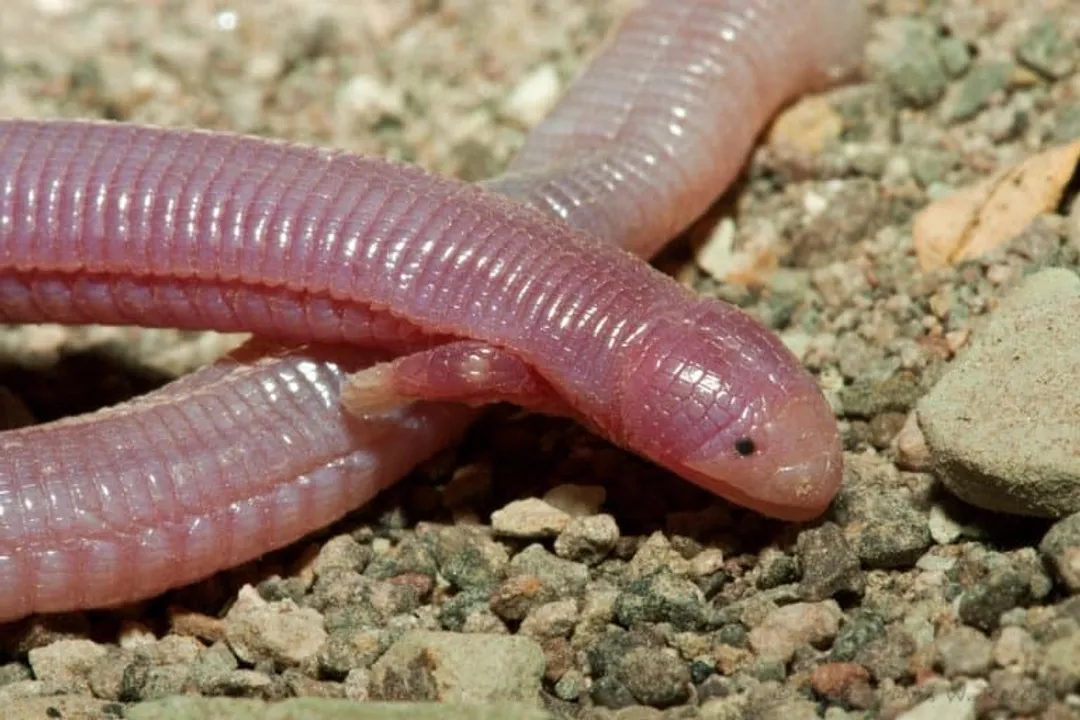
The *Bipes biporus* functions as an active, opportunistic carnivore within the soil ecosystem of the Baja landscape. Analysis of the contents found within its stomach confirms that its diet is overwhelmingly composed of soft-bodied invertebrates that inhabit the dirt. This menu primarily consists of readily available prey such as ants, termites, various larvae forms, and earthworms. Furthermore, observations suggest that the lizard actively engages with its prey, preferring to bite and chew its meal rather than simply swallowing it whole, often dragging captured invertebrates back into the safety of its tunnels before consumption.
Related Questions
What is the most enduring local mythology concerning Bipes biporus and human plumbing systems?What unique morphological feature distinguishes the Bipes genus within the amphisbaenians group?How does the Bipes biporus compensate for its greatly reduced eyes to perceive its environment?What is the permanent cost associated with the Mexican mole lizard's tail autotomy defense mechanism?What thermal regulation strategy does the Bipes biporus employ given its lack of protective melanin?What two distinct animal shapes are often cited as contributing to the confusion surrounding the Bipes biporus's appearance?What specific invertebrates dominate the diet of the Bipes biporus according to stomach content analysis?What is the typical wild lifespan reported for the Mexican mole lizard?Why do locals sometimes mistakenly refer to the Bipes biporus as ‘Ajalote’?What finding contradicts the mythical reputation of the Bipes biporus as a rare monster in the Baja region?