Why do locals sometimes mistakenly refer to the Bipes biporus as ‘Ajalote’?
Answer
Ajalote is the Spanish term for the Axolotl, an aquatic salamander with a unique, submerged appearance
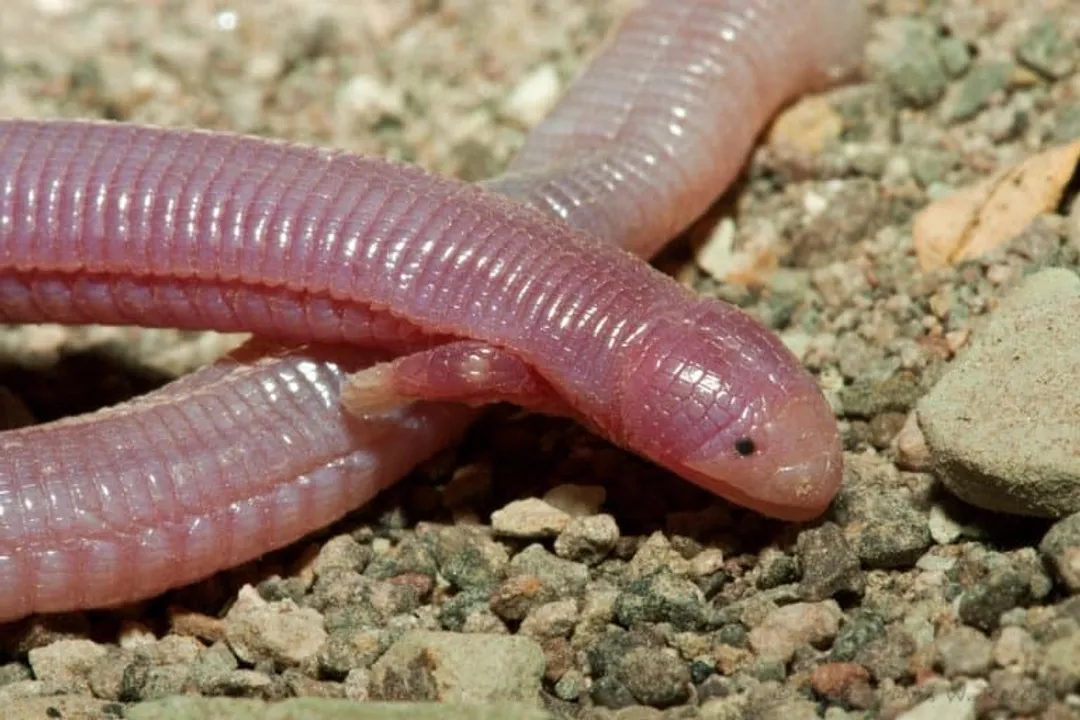
The naming confusion surrounding the Mexican mole lizard is compounded by misidentification related to water sources and drains. Locals sometimes incorrectly apply the term ‘Ajalote’ to the *Bipes biporus*. This term, however, is the Spanish designation for the Axolotl, which is an aquatic salamander known for its peculiar, non-terrestrial appearance. This conflation links the fossorial lizard to another small, uniquely shaped creature associated with water, thereby reinforcing unsettling stories about its supposed presence emerging from drains and water systems.
Related Questions
What is the most enduring local mythology concerning Bipes biporus and human plumbing systems?What unique morphological feature distinguishes the Bipes genus within the amphisbaenians group?How does the Bipes biporus compensate for its greatly reduced eyes to perceive its environment?What is the permanent cost associated with the Mexican mole lizard's tail autotomy defense mechanism?What thermal regulation strategy does the Bipes biporus employ given its lack of protective melanin?What two distinct animal shapes are often cited as contributing to the confusion surrounding the Bipes biporus's appearance?What specific invertebrates dominate the diet of the Bipes biporus according to stomach content analysis?What is the typical wild lifespan reported for the Mexican mole lizard?Why do locals sometimes mistakenly refer to the Bipes biporus as ‘Ajalote’?What finding contradicts the mythical reputation of the Bipes biporus as a rare monster in the Baja region?