How long do Mexican mole lizards live?
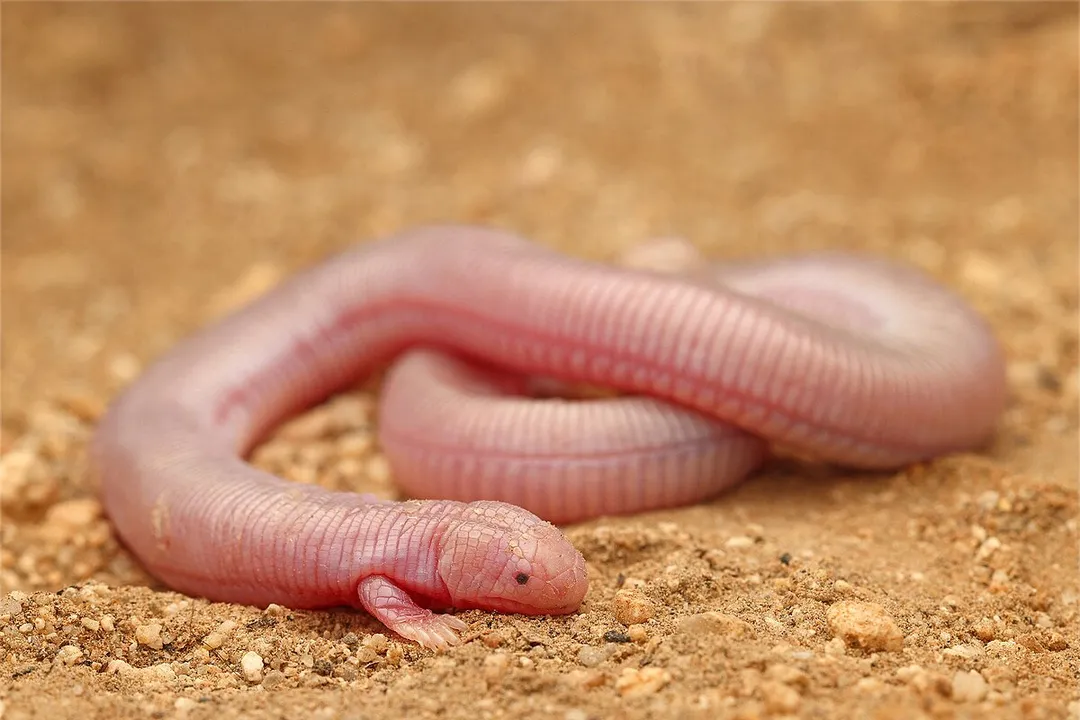
The Mexican mole lizard, Bipes biporus, presents a fascinating biological puzzle, not least when attempting to determine its natural longevity. Unlike many common reptiles whose lifespans are well-documented through decades of observation in zoos or field studies, reliable figures for this unique creature are surprisingly elusive. This difficulty stems directly from its highly specialized lifestyle; it spends nearly its entire existence hidden beneath the soil, making direct observation and tracking a significant challenge for researchers. [1][10]
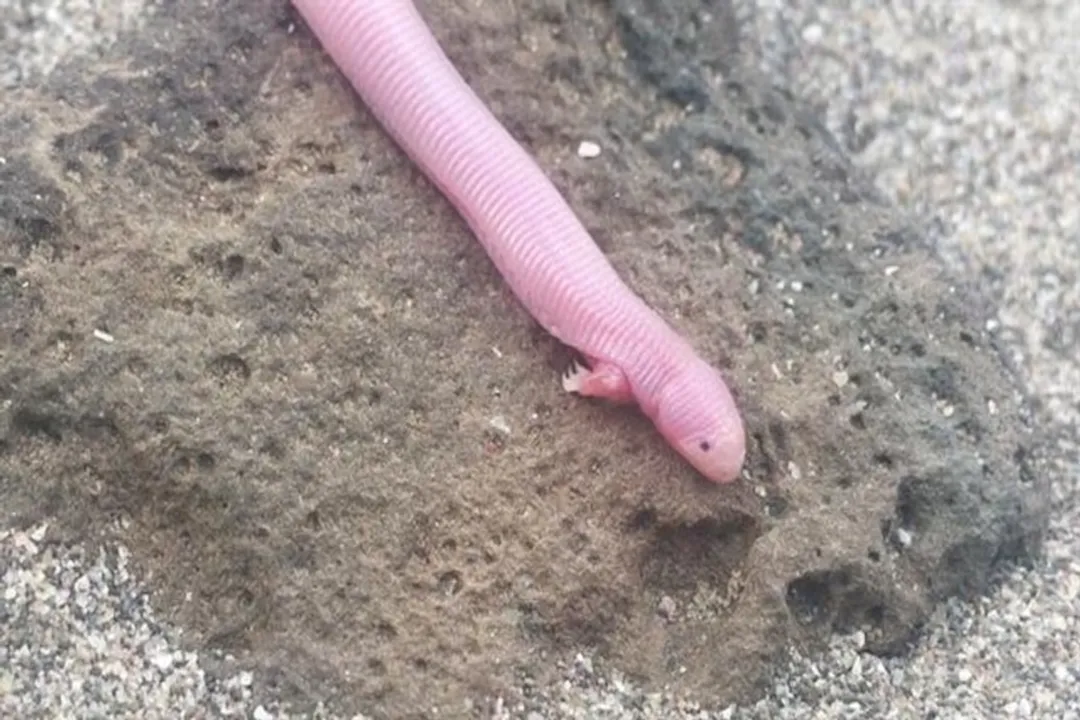
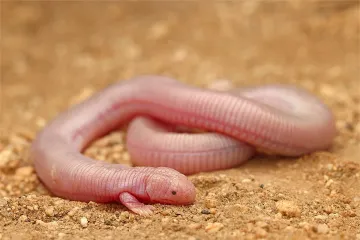
The common name itself is a bit of a misnomer, as the Mexican mole lizard is certainly a lizard, belonging to the family Amphisbaenidae, but its distinct features set it apart from its scaly, above-ground cousins. [4][10] It is a limbless reptile, or nearly so, possessing only two small, strong forelimbs used for burrowing, a trait shared by only a few other lizard species globally. [1][4] This combination of subterranean existence and unusual morphology contributes to the scarcity of longevity data; if a species is rarely seen, documenting its age progression in the wild becomes exceptionally difficult. [10]
# Subterranean Habits
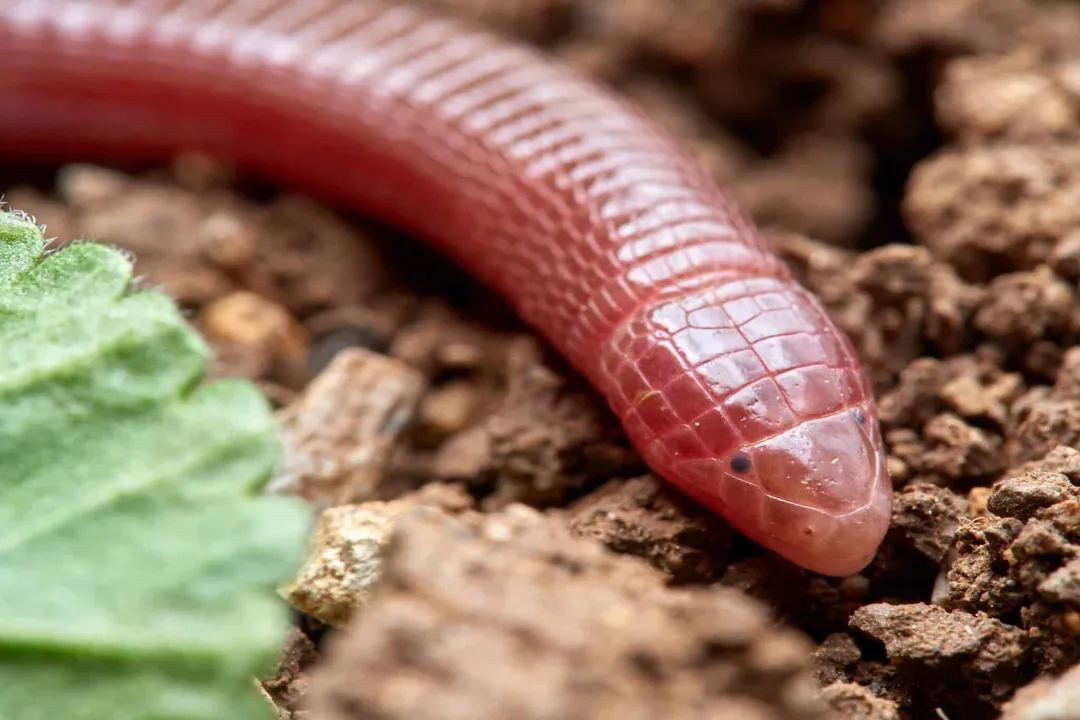
These lizards are experts in excavation, thriving in the loose, sandy soils of central and southern Mexico, particularly in the Baja California peninsula and surrounding areas. [1][4] Their streamlined, cylindrical bodies are perfectly adapted for moving through tunnels they create, resembling earthworms or small snakes to the untrained eye. [1][5][10] The primary activity above ground seems limited to brief, accidental surface appearances, often after heavy rains, or perhaps during mating rituals, which keeps their time exposed to predators and human detection to an absolute minimum. [1][10]
This fossorial (burrowing) nature fundamentally limits the data available for lifespan studies. For many above-ground reptiles, researchers can monitor specific individuals over several seasons, recording growth rates, shedding patterns, and eventual decline. [10] For Bipes biporus, this longitudinal study is near impossible. A field biologist might only ever encounter a specimen briefly before it disappears back into the substrate, leaving no way to ascertain if that individual is one or ten years old. [1]
# Two Forelimbs
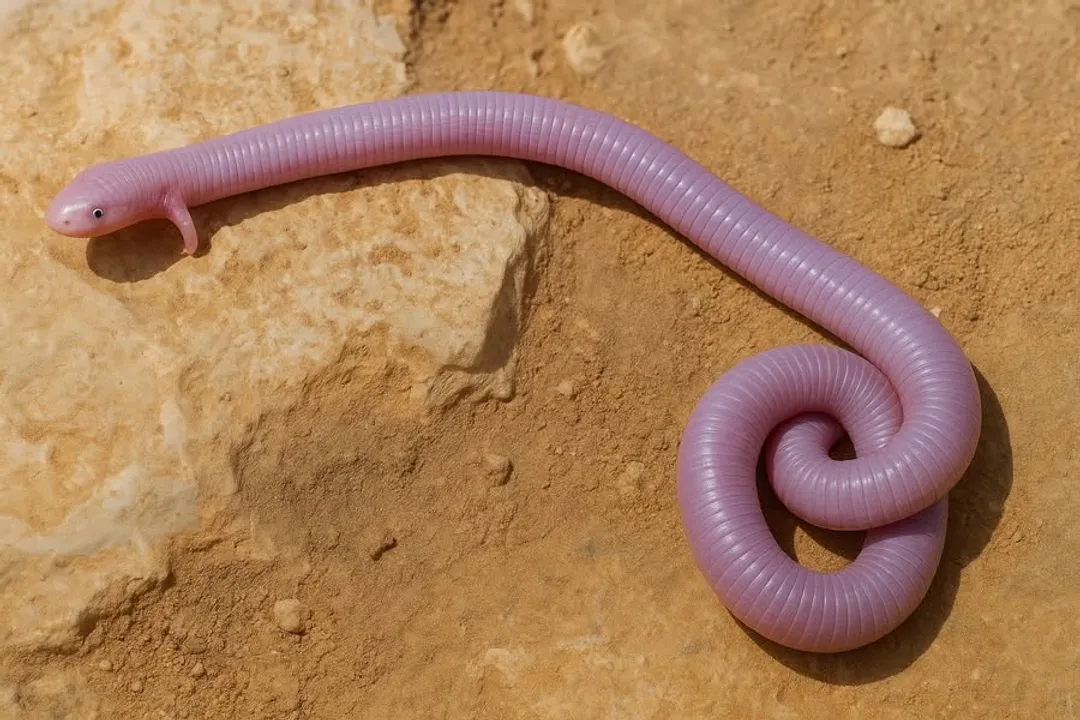
The presence of those two short, powerful front legs is perhaps their most recognized feature, often leading to confusion about their classification. [1][10] While they are lizards, they lack the typical lizard locomotion, relying instead on muscular contractions to "inch" forward underground, using their forelimbs like tiny shovels or anchors. [1][5] The development of these limbs is a fantastic example of convergent evolution with true moles or other burrowing animals, optimizing them solely for movement within the soil matrix. [1]
It is this heavy reliance on their digging apparatus that makes them ecologically distinct. Their diet consists mainly of soft-bodied invertebrates they encounter underground, such as ants, termites, earthworms, and larvae. [1][4] An animal living in this relatively stable, dark, and temperate underground environment likely faces fewer immediate environmental stressors—like extreme temperature fluctuations or large, specialized visual predators—than a surface-dwelling reptile. [4]
# Lifespan Data Scarcity
When searching for the exact age Bipes biporus attains, the documentation is often vague or missing entirely. [1][4] Some sources dealing with reptile records note that while many lizards have relatively short lifespans, the longevity of fossorial species can sometimes exceed expectations due to their stable habitat. [10] However, without consistent capture-mark-recapture data or long-term captive studies, these remain educated guesses rather than confirmed facts.
The general consensus drawn from fragmented reports suggests that, like many small, terrestrial reptiles, their lifespan in the wild might fall into a range typical for lizards of similar size, perhaps several years, but there are no definitive published records confirming a maximum age. [1][4] The scarcity of data means that any reported figure should be treated with caution until further, rigorous ecological surveys are completed. [10]
One interesting point arises when comparing what is known about the close relatives of Bipes. The other species in the Bipes genus, such as Bipes canaliculatus, share this subterranean lifestyle, and the research limitations regarding lifespan apply equally to them, suggesting a general knowledge gap for the entire genus, not just biporus. [1]
# Metabolic Consistency
Considering the environment they inhabit can offer a slight lens through which to view potential longevity. Animals that live primarily underground often benefit from a reduced metabolic rate compared to their diurnal, surface-dwelling counterparts. [4] Lower activity levels and a more buffered temperature zone mean less overall energy expenditure and potentially less cellular wear and tear over time. If the Mexican mole lizard maintains a steady, low metabolic baseline—as suggested by its slow, undulating movement—it could theoretically enjoy a lifespan longer than a lizard of comparable size that basks in the sun daily and faces high levels of predation risk. [10] This concept, where environmental stability translates to extended individual survival, is a common pattern in crypsis-reliant species, even if the exact years remain uncounted for Bipes. [4]
# Captive Care Uncertainty
The lack of wild data creates a direct challenge for herpetoculturists, should they attempt to keep these lizards, which are rarely seen in the pet trade. [1] Establishing appropriate husbandry standards—especially regarding feeding frequency, substrate depth, and temperature gradients—relies heavily on knowing the species' natural life cycle duration. [1][4] If a lizard only reaches maturity after several years underground, then introducing an unknown captive specimen into a breeding program or simply providing appropriate long-term care becomes guesswork. Without an established longevity baseline, keepers cannot accurately gauge the success or failure of their care protocols relative to the animal's expected life span. For instance, if a captive specimen dies after three years, is that an early death due to improper care, or is three years the expected maximum for a young adult in nature? The answer hinges on that missing lifespan data. [10]
# Rarity and Study
The Mexican mole lizard is not globally endangered, but it is localized and highly secretive, which contributes to its low profile in scientific literature and public awareness. [4] Because they are so difficult to find, comprehensive studies—the kind that yield precise demographic data like age at first reproduction or maximum observed age—are infrequent. [10] Furthermore, these lizards are often collected incidentally by soil sampling or when accidentally uncovered by construction or agriculture, rather than being the target of dedicated ecological research. [1]
Therefore, when discussing the lifespan of the Mexican mole lizard, the most accurate statement, derived from synthesizing available accounts, is that its definitive lifespan remains unknown due to its highly specialized, subterranean existence. [1][4][10] We know where they live and what they look like, but the measure of their years remains hidden, much like the creature itself beneath the Mexican soil.
Related Questions
#Citations
Mexican mole lizard
Mexican mole lizard, a bizarre burrowing reptile
The Mexican mole lizard : r/AIDKE
Mexican Mole Lizard Animal Facts - Bipes biporus
Mexican Mole Lizard | Animal Database - Fandom
Are #Bipes eternal? ♾ There isn't much data on the ...
Mexican Mole Lizard - Curious Species
Rare Video Shows Mysterious, Worm-Like Legless Lizard