What two distinct animal shapes are often cited as contributing to the confusion surrounding the Bipes biporus's appearance?
Answer
A worm and a snake, in addition to aspects resembling a mole
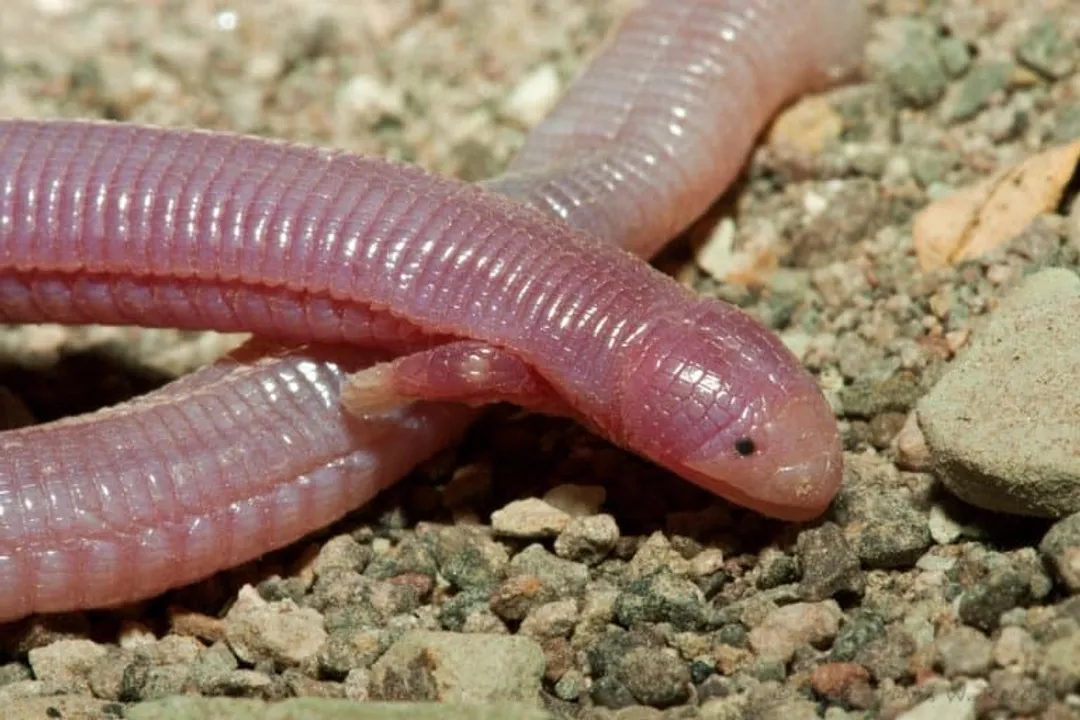
The confusing visual impression of the Mexican mole lizard contributes significantly to the myths surrounding it. Its appearance is frequently described as a bizarre combination of multiple creatures. Specifically, its lack of hind limbs and legless aspect leads some observers to confuse it with a snake. Furthermore, its pink, slender, and segmented body structure often results in it being mistakenly called a worm. This dual misidentification, coupled with its burrowing nature akin to a mole, creates an unsettling image for those unfamiliar with its actual biological classification as an amphisbaenian.
Related Questions
What is the most enduring local mythology concerning Bipes biporus and human plumbing systems?What unique morphological feature distinguishes the Bipes genus within the amphisbaenians group?How does the Bipes biporus compensate for its greatly reduced eyes to perceive its environment?What is the permanent cost associated with the Mexican mole lizard's tail autotomy defense mechanism?What thermal regulation strategy does the Bipes biporus employ given its lack of protective melanin?What two distinct animal shapes are often cited as contributing to the confusion surrounding the Bipes biporus's appearance?What specific invertebrates dominate the diet of the Bipes biporus according to stomach content analysis?What is the typical wild lifespan reported for the Mexican mole lizard?Why do locals sometimes mistakenly refer to the Bipes biporus as ‘Ajalote’?What finding contradicts the mythical reputation of the Bipes biporus as a rare monster in the Baja region?