Wasp Physical Characteristics
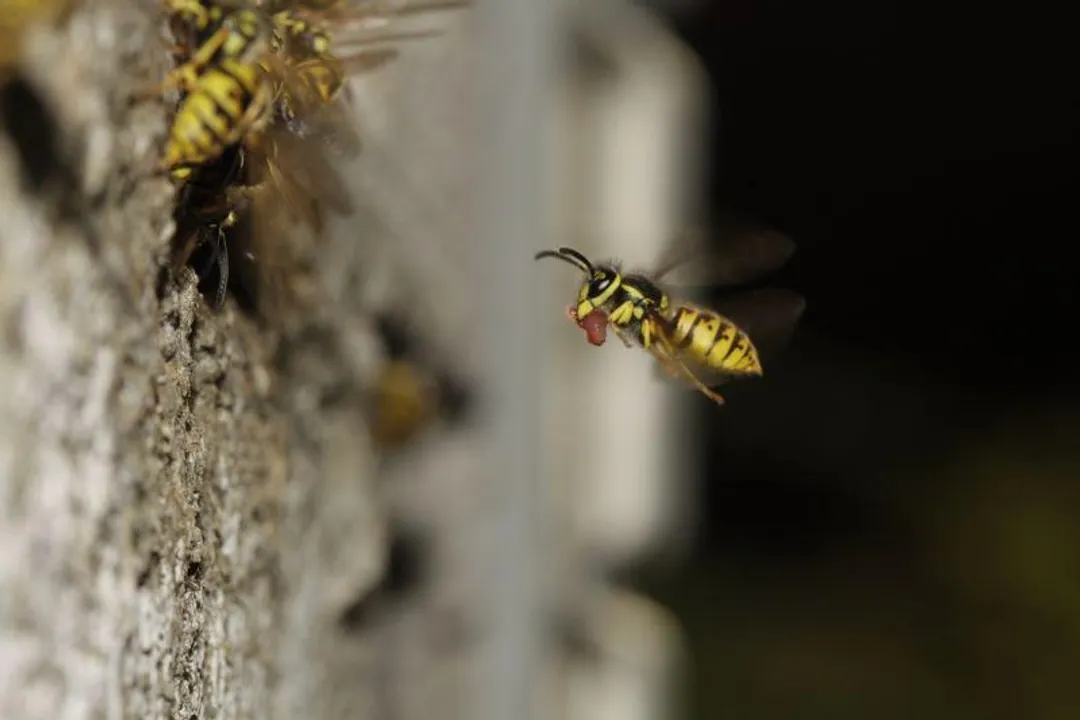
The physical characteristics that define a wasp are a fascinating study in insect morphology, showcasing adaptations for predation, social living, and defense. While the term "wasp" encompasses a vast diversity—encompassing solitary hunters and highly social colony builders—nearly all share fundamental anatomical blueprints derived from their classification within the insect order Hymenoptera. [1][7] These creatures are characterized by a segmented body plan, featuring a distinct head, thorax, and abdomen, connected by an unusually pinched waist that gives them their recognizable profile. [1][7]
# Body Segmentation
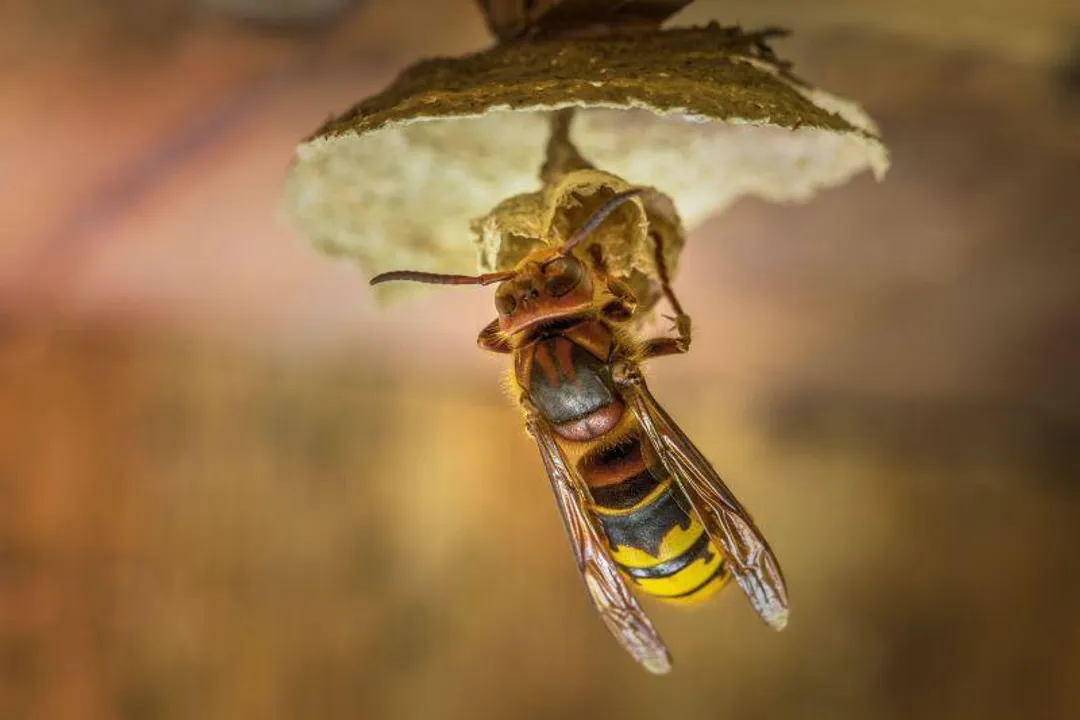
The division of the wasp body into three primary regions is fundamental to its structure. The head houses the primary sensory organs and feeding apparatus. Attached to the head is the thorax, the center of locomotion, where all six legs and the two pairs of wings are anchored. [1][7] Finally, the abdomen contains the digestive and reproductive organs, and critically, the stinger apparatus in females. [1]
The most arresting feature of this segmentation is the connection between the thorax and the abdomen. This connection is marked by a narrow constriction known as the petiole. [1][7] This slender "waist" allows for significant flexibility in the abdomen, which is vital for a stinging insect needing to maneuver its rear end with precision, whether delivering a defensive sting or subduing prey. [1] While many insects have some degree of waist constriction, the wasp's petiole is often exceptionally pronounced, setting them visually apart from many bee species which tend to have a broader, more compact juncture between their body segments. [1]
# Head Features
The head capsule is relatively large compared to the thorax in many species and is equipped with an array of specialized sensory tools. Like all insects, wasps possess a pair of compound eyes, which provide a wide field of view composed of numerous individual visual units. [1][7] Supplementing these are simple eyes, called ocelli, typically three in number, which are often situated on the top of the head. These ocelli are believed to help gauge light intensity and perhaps assist in orientation during flight. [1][7]
The mouthparts of wasps are generally configured for chewing and cutting, adapted for tearing apart insect prey or manipulating nest materials. [1] However, this structure often includes a degree of flexibility, allowing them to lap up liquids like nectar or scavenged sweets when needed. [1] The antennae, which are always present in pairs, serve as critical chemosensory organs, detecting odors related to food sources, mates, and potential danger. [1] The structure of the antennae themselves can vary; for instance, social wasps like yellowjackets and hornets often have relatively short, elbowed antennae. [5]
# Wings and Flight
The capacity for flight is central to the wasp's ecological role, enabling them to hunt over wide territories or gather materials for nest construction. Wasps possess two pairs of membranous wings, the forewings being generally larger than the hindwings. [1][7] This arrangement is characteristic of the Hymenoptera order.
During flight, an ingenious mechanical system keeps the wings working in tandem. The leading edge of the hindwing possesses a series of small hooks, called hamuli, that interlock with a corresponding ridge on the trailing edge of the forewing. [1] This hooking action essentially turns the two separate wings into a single, highly efficient aerodynamic surface when in motion. [1] When they land, this coupling disengages, allowing the wings to fold independently, which is often observed in resting individuals. [1] The sheer velocity and maneuverability wasps exhibit in flight are a testament to the efficiency of this coupled wing system. [7]
# Outer Surface and Size
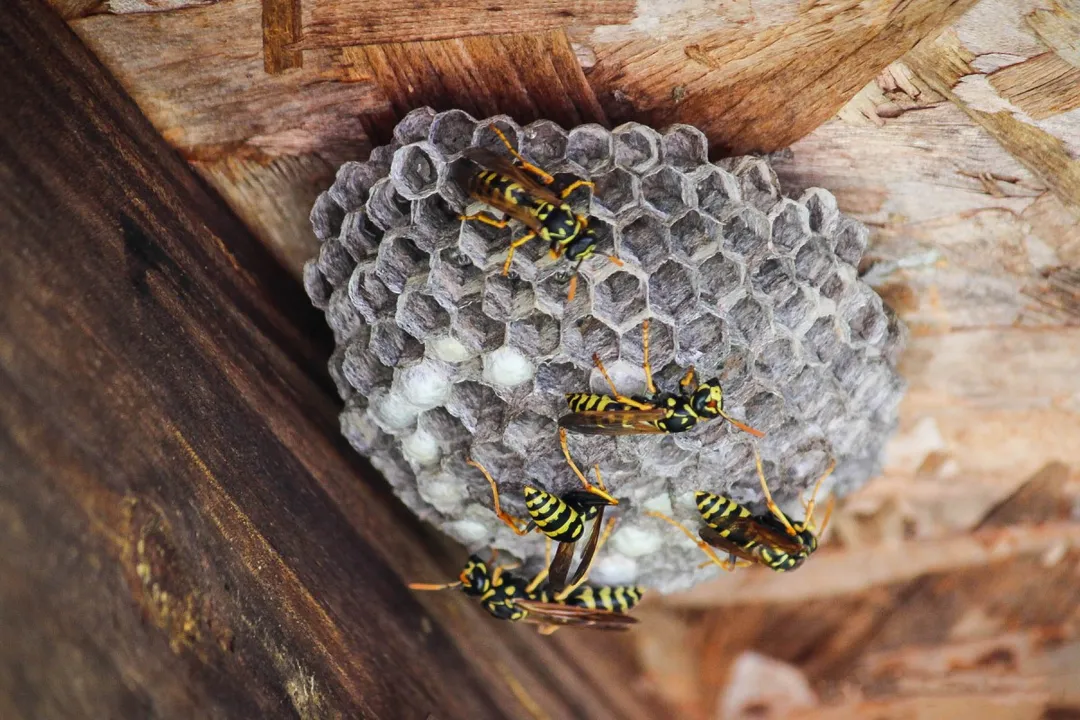
One of the most frequently noted physical differences between wasps and their close relatives, the bees, relates to the integument, or the external covering of the body. [2] Bees are typically covered in dense, branched hairs, which aid in pollen collection. [2][6] Wasps, conversely, tend to be much less hairy, appearing smoother, glossier, or more polished. [2][6] While some solitary wasps may have fine hairs, the prominent, fuzzy appearance common to bumblebees or honeybees is generally absent in most common wasp species. [2]
Body size among wasps is incredibly diverse, ranging from minute parasitic species only a few millimeters long to the significantly larger hornets. [1][4] In the social groups commonly encountered by people, size differences are quite noticeable. Paper wasps, for example, are typically slender with long legs. [5] Yellowjackets, often mistaken for paper wasps but possessing a more distinctly bright yellow and black pattern, are usually mid-sized. [5] Hornets, such as the European hornet, are generally the largest of the common social wasps, sometimes reaching nearly an inch in length, and often display reddish-brown tones mixed with black and yellow banding. [5]
To provide a quick reference for identification based on common size expectations in temperate zones:
| Common Name | General Size Range (Approx.) | Dominant Visual Contrast |
|---|---|---|
| Paper Wasp | Medium (0.5 to 1 inch) | Brown/Reddish-brown with yellow stripes [5] |
| Yellowjacket | Small to Medium (0.4 to 0.75 inch) | Vivid, high-contrast black and bright yellow [5] |
| Hornet | Large (0.75 to 1.5 inches) | Often includes brown or reddish tones mixed with yellow/black [5] |
This size variability is not just incidental; it often correlates with the wasp's ecological role. Larger wasps frequently target larger prey or require more substantial nest construction, demanding greater physical resources. [4]
# Warning Coloration
The striking color patterns seen on many wasps are not random; they serve as a clear visual warning to potential predators, a concept known as aposematism. [6] The most famous combination is the stark black and yellow striping, which signals unpalatability or defensive capability. [6] This serves as a powerful evolutionary shortcut: once a predator has experienced the sharp sting, it learns to associate that high-contrast pattern with pain and avoids all similarly marked insects thereafter. [6]
It is interesting to note that this warning palette is not universal across all wasp families. While the common or yellowjacket wasp strongly adheres to the black and yellow standard, other species display significant variation. For instance, some solitary wasps, which may be less aggressively defensive of a permanent nest, might adopt duller brown or metallic coloration that serves better as camouflage against bark or soil. [8] This difference in visual strategy reflects the differing life histories; a solitary wasp relying on stealth to approach prey or a nest site has less evolutionary pressure to advertise its defensive capability than a social wasp defending a large, vulnerable colony. [8]

# The Stinger Apparatus
Perhaps the most infamous physical characteristic of the wasp is the stinger, which is a modified ovipositor found exclusively in the female caste. [1][7] The stinger is used not only for defense against threats but also, in many predatory species, to paralyze prey before it is carried back to the nest to feed the larvae. [1]
A crucial morphological distinction between wasps and many types of bees lies in the structure of the stinger itself. The wasp's stinger is generally smooth and lacks barbs. [2][7] This smoothness is highly significant because it means a wasp can withdraw its stinger after use without tearing its own tissues. [7] Consequently, a wasp is capable of stinging multiple times in succession, delivering repeated doses of venom, a stark contrast to the honey bee, whose barbed stinger often becomes lodged in the skin, leading to the bee’s own demise after a single sting. [2]
When observing a wasp preparing to sting, one can sometimes notice the abdomen flexing sharply forward to bring the stinger into position. [1] This ability to sting repeatedly is a primary factor in why encounters with wasps, especially territorial yellowjackets, can feel so much more severe than those with honey bees. Furthermore, the venom itself varies in composition depending on the species, influencing the immediate reaction, though all are designed to incapacitate or deter larger animals. [2] The efficiency of the smooth stinger in delivering multiple defensive pulses gives the wasp an undeniable advantage in close-quarters defense situations. [2]
# Solitary Versus Social Morphology
While the fundamental anatomy remains consistent, there are subtle morphological differences between solitary and social wasps that reflect their differing life cycles and nesting behaviors. Solitary wasps, such as spider wasps or mud daubers, often exhibit features tailored for capturing and subduing specific prey items. [8] For example, mud daubers are known for their extremely slender, almost thread-like petioles, which might offer maximum abdominal maneuverability for injecting venom into spiders. [8]
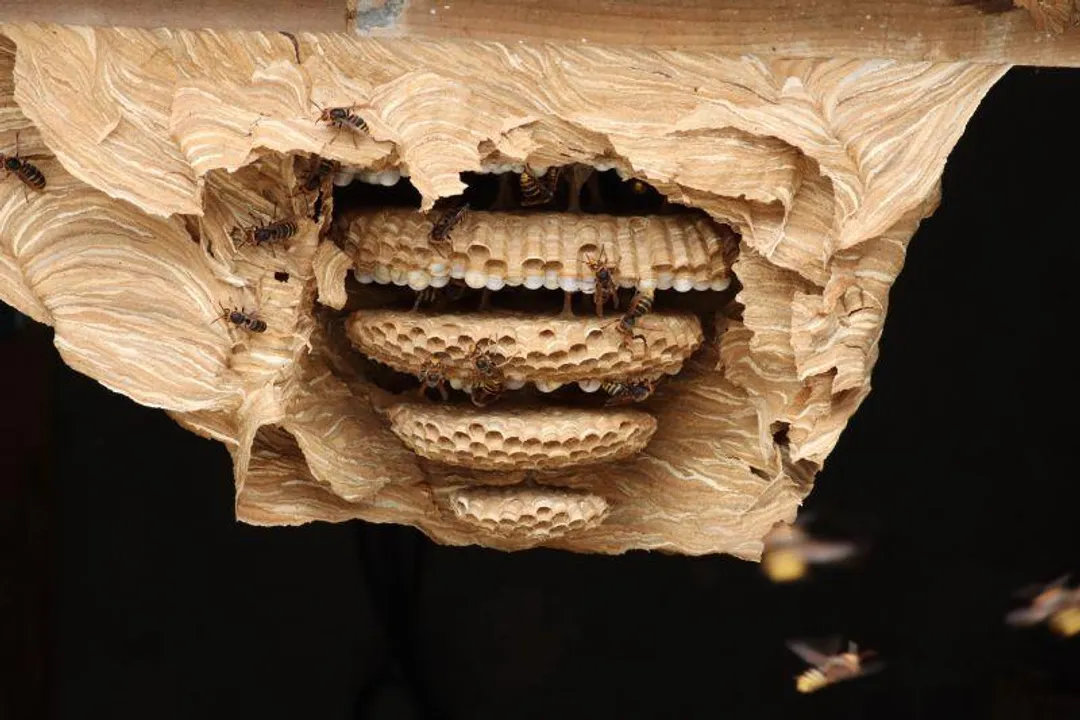
Social wasps, including yellowjackets and hornets, tend to have a slightly more robust build overall, perhaps necessitated by the labor of excavating or constructing large paper nests and foraging for larger volumes of food for numerous developing larvae. [5] Their need for defense is also higher due to the value of the colony, which reinforces the effectiveness of their multi-sting capability. [2] Even the mandibles might differ slightly; social wasps involved in chewing wood fibers to create paper pulp may have stronger, broader mandibles compared to a solitary wasp focused solely on piercing invertebrate exoskeletons. [1] Comparing the common paper wasp, which builds open, umbrella-like nests, to the subterranean yellowjacket, which burrows, one observes minor but telling differences in leg structure—perhaps slightly stronger forelegs in the yellowjacket for earth moving, though this level of detail often requires microscopic analysis. [5]
Related Questions
#Citations
Wasp - Wikipedia
Wasp facts, Identification & Treatment - Ehrlich Pest Control
Wasps - Agricultural Biology - CSU College of Ag Sciences
20 Types of Wasps and Hornets - The Best Bees Company
Social Wasps: Yellowjackets, Hornets, and Paper Wasps
Common wasp | The Wildlife Trusts
Wasp | Description, Types, Solitary, Social, Parasitoid ... - Britannica
Solitary wasps | UMN Extension
Wasps: Identification, Habitat, Diet, and Control - Mint Pest Control