What are the physical characteristics of a bear?
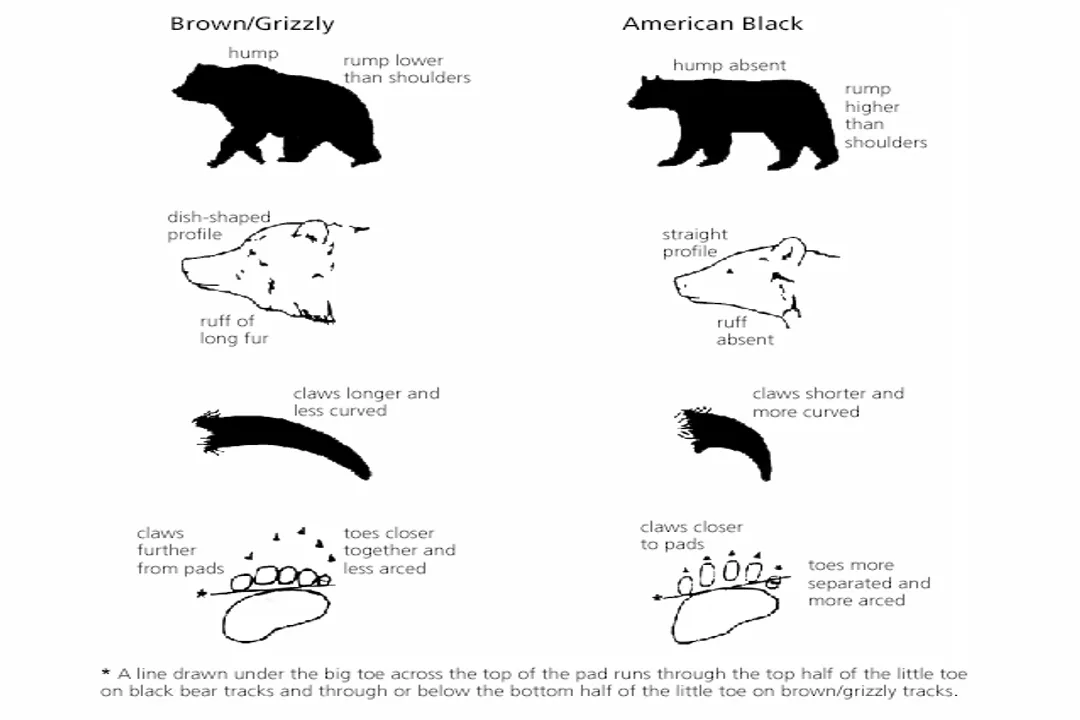
The very silhouette of a bear is instantly recognizable—a creature built for immense power, yet displaying surprising diversity across its many species. These large mammals share fundamental physical traits that define them as members of the Ursidae family, but subtle and sometimes dramatic differences in structure, size, and coloration separate the great white polar bear from the black-and-white panda or the inland grizzly. [2][7] Understanding these characteristics is essential not only for general appreciation but also for safe interaction in the wild, where distinguishing one species from another often comes down to a few critical anatomical markers. [5][6]
# Body Structure
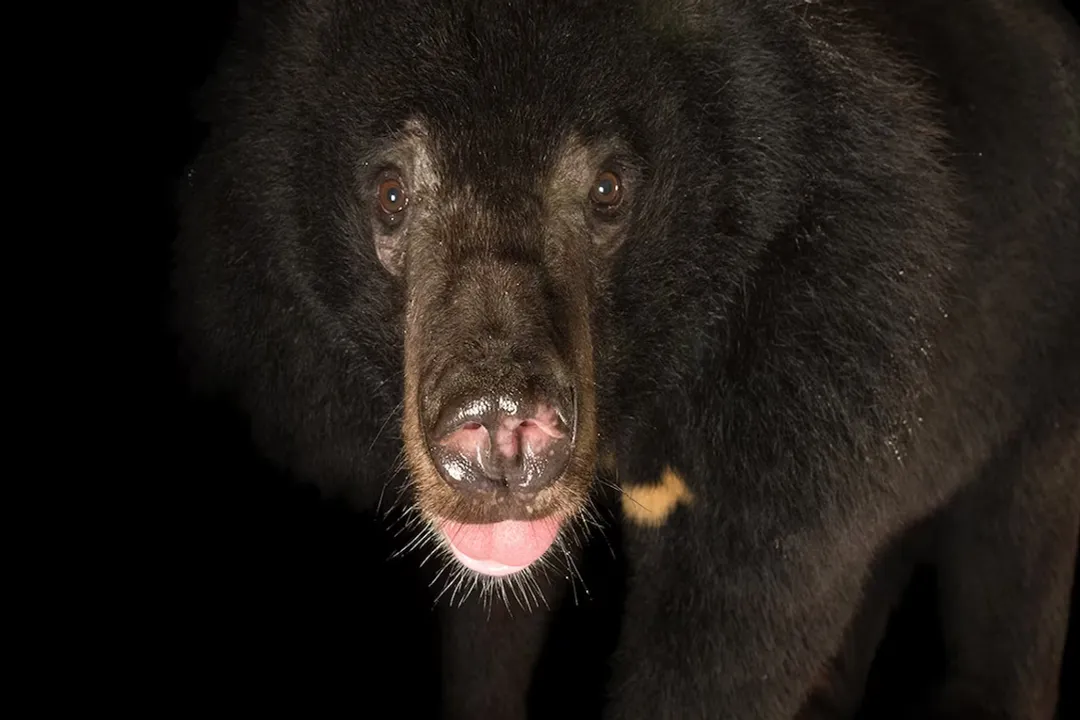
Bears possess a distinctively heavy build characterized by a large body supported by short, sturdy legs. [5] They are classified as plantigrade mammals, meaning they walk flat-footed, placing their entire sole on the ground, much like humans and raccoons do, rather than walking on their toes. [3] This broad base provides exceptional stability for their bulk. [5]
Their limbs are muscular, particularly the forelimbs, which are critical for activities ranging from foraging to defense. [1] Perhaps the most defining tool of the bear, besides its strength, is its set of claws. These claws are generally long, curved, and non-retractable. [5] Their primary function is rooted in digging—whether excavating ground squirrels, turning over rocks to find insects, or ripping apart logs for grubs. [1][8]
# Facial Profiles
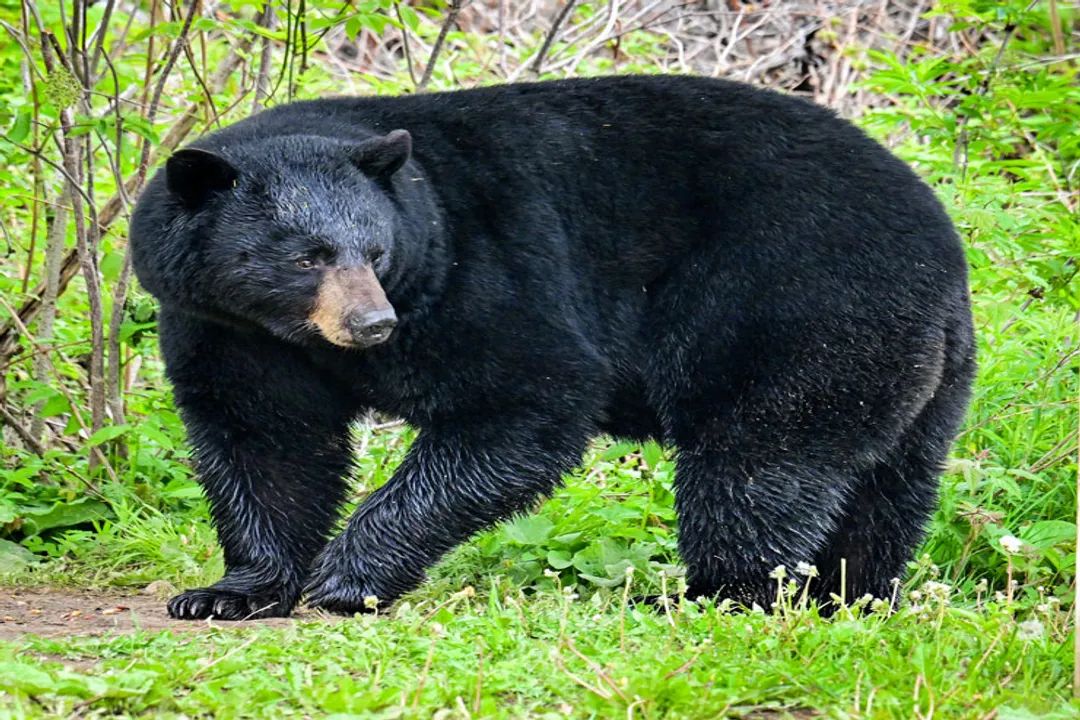
While the overall head shape suggests a familiar "bear face," minute differences in the facial profile are key identification points, particularly between North American black bears and grizzly/brown bears. [7]
The profile of a Grizzly Bear (a subspecies of the brown bear) often appears dish-shaped or concave, meaning there is a noticeable dip between the eyes and the end of the nose. [7] Conversely, the Black Bear typically exhibits a straighter facial profile running from its forehead to the tip of its muzzle. [7]
Another useful distinction lies in the ears. Black bears tend to have relatively larger, more pointed ears when compared to their head size. [5][7] In contrast, grizzly bears usually possess smaller, more rounded ears. [7]
# The Shoulder Hump
For those observing bears in North America, the presence or absence of a distinctive hump over the shoulders is the most reliable field characteristic to differentiate the Grizzly/Brown bear from the American Black Bear. [6][7]
Grizzly bears possess a prominent shoulder hump. [6] This feature is not fat, as is sometimes assumed, but rather a massive mound of muscle anchored to the elongated vertebrae of the bear’s back. [8] This muscle mass serves as a powerful anchor for the forelimbs, providing the incredible digging strength for which grizzlies are famous. [1][8] In comparison, black bears lack this muscle hump; their backline appears flatter or more evenly sloped from the neck to the tail. [6][7]
# Coat and Coloration
A bear's coat is thick, offering essential insulation against cold temperatures. [2] However, relying solely on color for identification can lead to mistakes because color is highly variable within species. [7]
- Brown/Grizzly Bears: As their name suggests, they range widely in color, from pale blond or cream to dark brown or nearly black. [1][8] Many individuals exhibit grizzling—lighter, silver, or grayish tips on their guard hairs, giving them a frosted appearance, which is how the grizzly earned its common name. [1][8]
- Black Bears: Despite the name, they are not exclusively black. They commonly appear cinnamon, brown, or even blonde in certain populations. [7] A key differentiator, if visible, is that black bears often lack the silver tipping seen on grizzlies. [7]
- Polar Bears: These bears are famously white, which provides excellent camouflage in the Arctic environment. [2] However, their skin is actually black, and their fur is translucent and hollow, helping to trap heat. [2]
- Giant Pandas: These bears are instantly recognizable by their stark black-and-white patterning. [2]

# Comparing Key Physical Traits Across Species
While general features are shared, the specialized adaptations needed for different environments—from icy tundras to dense forests—have resulted in distinct physical forms. The following table outlines some of the major, observable differences between the widely discussed species:
| Feature | Grizzly/Brown Bear | American Black Bear | Polar Bear |
|---|---|---|---|
| Shoulder Hump | Present, prominent muscle mass [6][8] | Absent [6][7] | Absent (Slightly sloped) [7] |
| Facial Profile | Concave or "dish-shaped" [7] | Straight from forehead to nose [7] | Generally straight [7] |
| Ears | Smaller, more rounded [7] | Larger, more pointed [7] | Smaller, rounded [5] |
| Claws | Very long, usually lighter colored, optimized for digging [1][8] | Shorter, darker, better curved for climbing trees [5] | Shorter, thicker, designed for gripping ice and swimming [2] |
| Size Range (General) | Very large; coastal populations can exceed 1,000 lbs [1][8] | Generally smaller than grizzlies [7] | Massive; among the largest terrestrial carnivores [2] |
The variation in claw structure is a fascinating illustration of localized physical refinement. While both grizzlies and black bears use their claws for foraging, the sheer size and less pronounced curve of the grizzly’s claws are optimized for ripping apart tough earth and roots. [1][8] In contrast, the black bear’s relatively shorter, more sharply curved claws are an adaptation that aids in arboreal locomotion, making them far superior tree climbers when compared to their bulkier, hump-shouldered cousins. [5] This demonstrates how physical form follows immediate environmental and dietary needs across the genus.
# Size and Weight Variability
The sheer mass that a bear can attain is perhaps its most intimidating feature, but this measurement is highly variable depending on species, sex, and local food availability. [1] A male grizzly, for instance, can weigh significantly more than a female of the same subspecies. [1]
When comparing the largest North American bears, the brown bear complex—which includes coastal grizzlies—can reach staggering sizes. Large coastal brown bears, benefiting from rich salmon runs, can easily exceed 1,000 pounds in weight. [8] Inland grizzlies are typically smaller than their coastal counterparts. [1]
It is worth noting that the size difference between species is not always linear based on name recognition. For example, a very large male American Black Bear might approach the weight of a smaller, inland male grizzly, illustrating that generalizations about weight must always be tempered by local ecological factors. [7] A high-calorie diet, such as one dominated by high-fat fish or large ungulate carcasses, will always result in a physically larger animal than one subsisting primarily on berries and insects. [1]

# Locomotion and Posture
Bears are capable of bursts of speed that belie their heavy build. They can run surprisingly fast over short distances, sometimes reaching speeds up to 35 miles per hour. [3] Although they walk on all fours most of the time, bears can stand and occasionally walk short distances on their hind legs, primarily for better visibility or intimidation displays. [5]
The powerful musculature concentrated in the shoulders and hindquarters is what propels them forward, but their gait is distinctly rhythmic due to their plantigrade stance. [3] This method of walking allows them to cover vast distances while foraging efficiently, a necessity for animals requiring large territories to meet their caloric demands. [1]
# Unique Specializations
While the focus is often on the brown and black bears, the specialized physical traits of species like the Polar Bear highlight extreme evolutionary adaptation. Polar bears have evolved a thick layer of insulating fat beneath their skin, in addition to their dense fur, necessary for survival in their frigid habitat. [2] Their massive paws are not only large for distributing weight across snow and ice but are also slightly webbed between the toes, an adaptation that makes them powerful swimmers. [2]
The Giant Panda presents another unique physical departure. While sharing the basic Ursidae body plan, its most notable physical characteristic is its specialized diet of bamboo, supported by a modified wrist bone that functions like a thumb, allowing it to grip stalks effectively—a trait not shared by its carnivorous or omnivorous relatives. [2] This physical modification, known as a pseudo-thumb, is a direct answer to a dietary niche. [2]
Related Questions
#Citations
Brown Bear (Ursus arctos) Fact Sheet: Physical Characteristics
Bears, facts and information | National Geographic
bear - Students | Britannica Kids | Homework Help
Species Description – Manitoba Grizzly Bear Safety Program
Physical Description - Hunter Ed
[PDF] You are in bear country - Alberta Parks
Bear Identification (U.S. National Park Service)
Physical Characteristics of Grizzly Bears