What are the physical characteristics of a parrot?
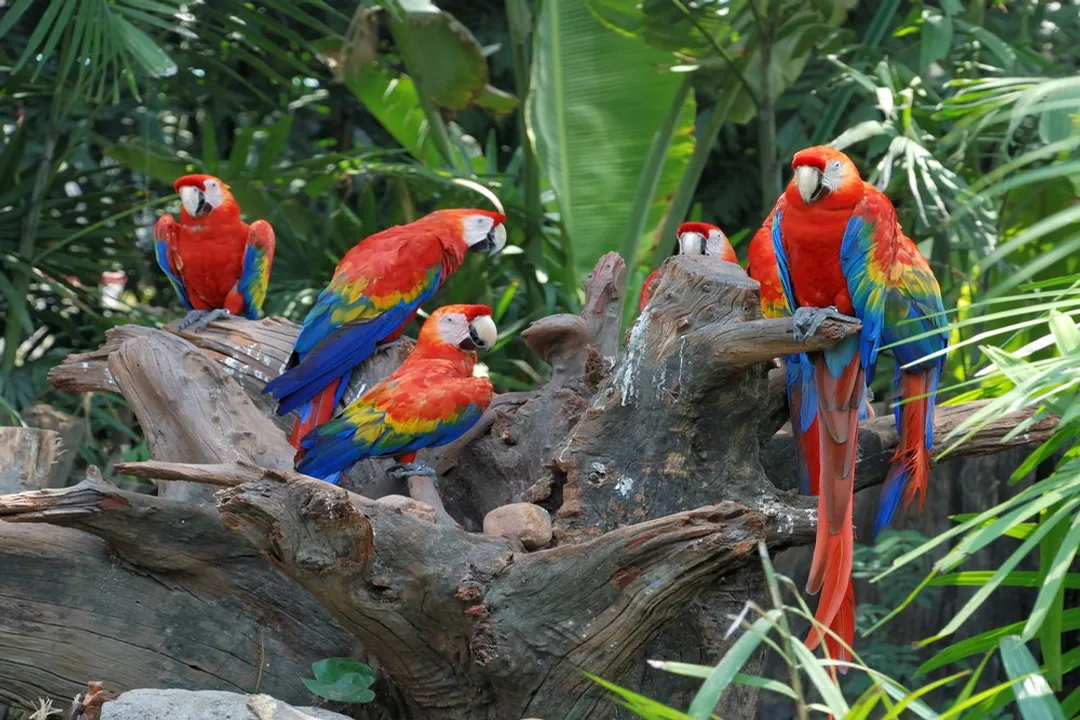
The physical makeup of parrots, members of the order Psittaciformes, reveals a set of specialized adaptations geared toward arboreal life, complex feeding, and sophisticated interaction with their environment. [6][9] These characteristics define them as unique among avian species, often leading to their reputation as highly intelligent and resourceful creatures. [2] Their appearance is striking, but it is the underlying structure of the beak, feet, and tongue that truly dictates their daily activities and survival strategies. [5][4]
# Beak Form
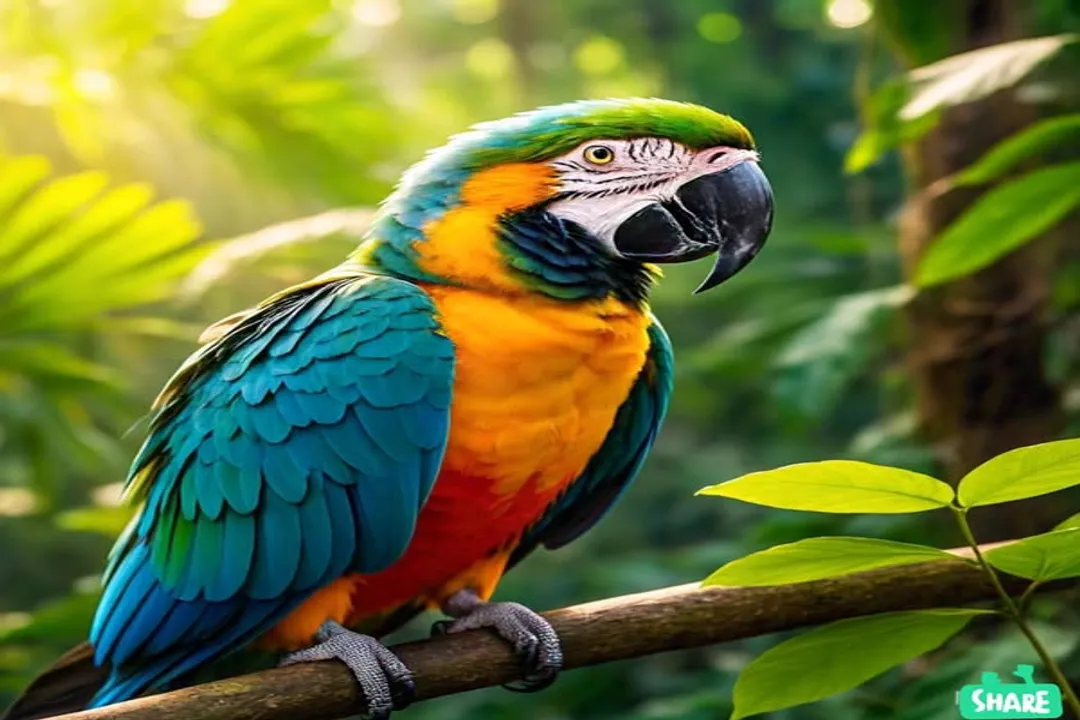
Perhaps the most recognizable feature of any parrot is its powerful, distinctly shaped bill. [1][5] This structure is characterized by a strongly curved, hooked upper mandible that significantly overlaps the lower one. [4][5] This shape is exceptionally effective for leverage, allowing the bird to apply significant force when needed, such as cracking open tough nuts or seeds. [1][4]
The design is not just about brute strength, however. The parrot's beak functions as a versatile multi-tool. It aids in climbing, serving as a secure anchor or hook as the bird navigates branches. [1] The lower mandible, while shorter than the upper, is stout and robust, providing the necessary counterforce. [4] When examining the mechanics, it is fascinating to observe how the parrot uses its bill in conjunction with its tongue, which we will discuss shortly, to de-husk fruit or systematically dismantle items to access nutritious centers. [5]
# Zygodactyl Feet
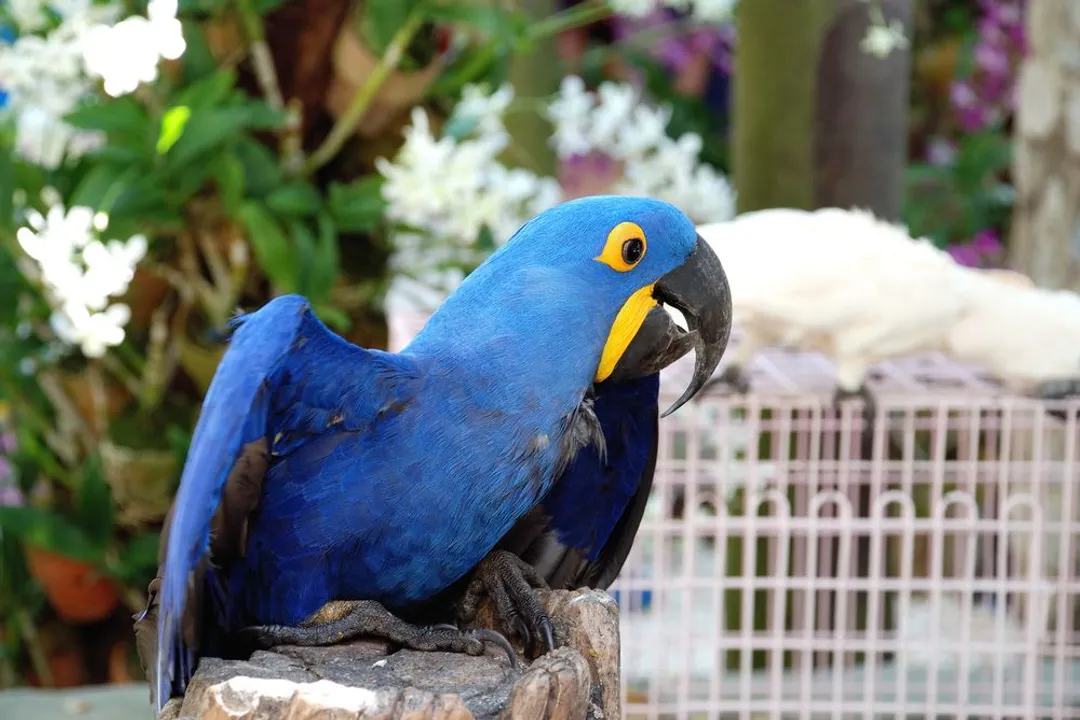
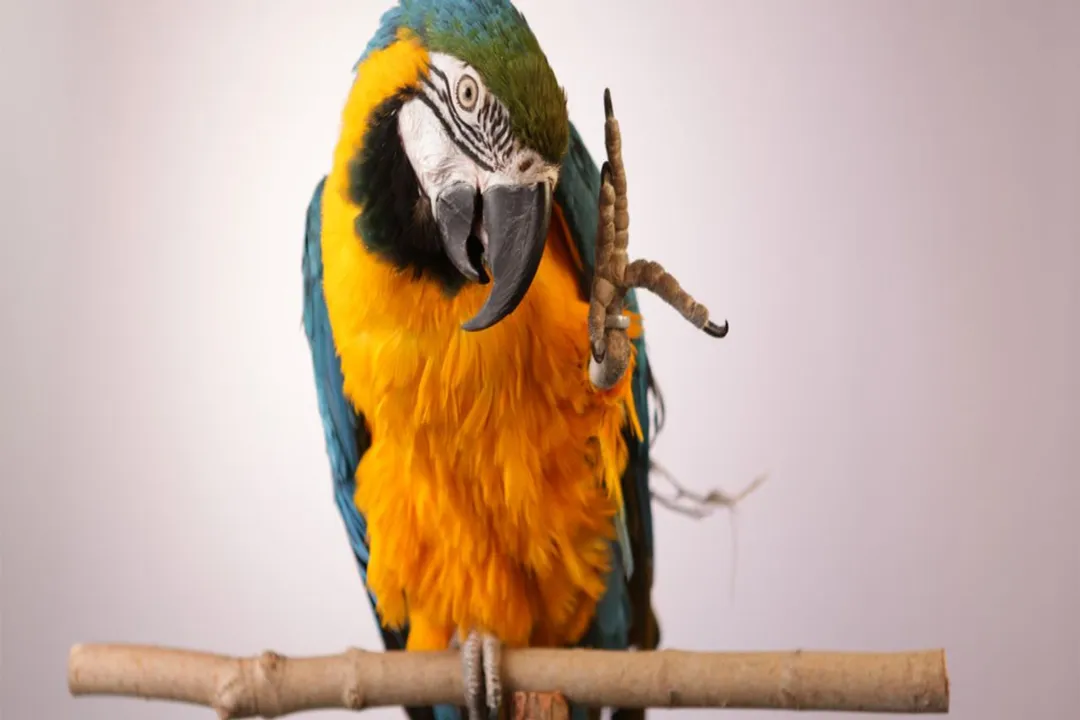
The way a parrot grips surfaces is another defining physical characteristic, relying on its zygodactyl feet. [1][6] This arrangement means the foot has four toes, but they are paired in a specific configuration: two toes point forward (the second and third) and two point backward (the first and hallux, and the fourth). [4][5]
This setup grants them incredible grasping power, making them superb climbers. [1][5] While most perching birds possess anisodactyl feet (three forward, one back), the parrot's arrangement allows for an exceptionally secure grip on branches, even when hanging upside down or maneuvering heavy loads with their beak. [7] They use these feet with remarkable dexterity, often employing one foot to hold food up to the beak, almost like a hand—a level of manipulation rarely seen in the bird world. [4][5] This inherent dexterity, enabled by the toe configuration, allows for complex motor tasks that contribute to their cognitive engagement with objects. [1]
# Coloration Diversity
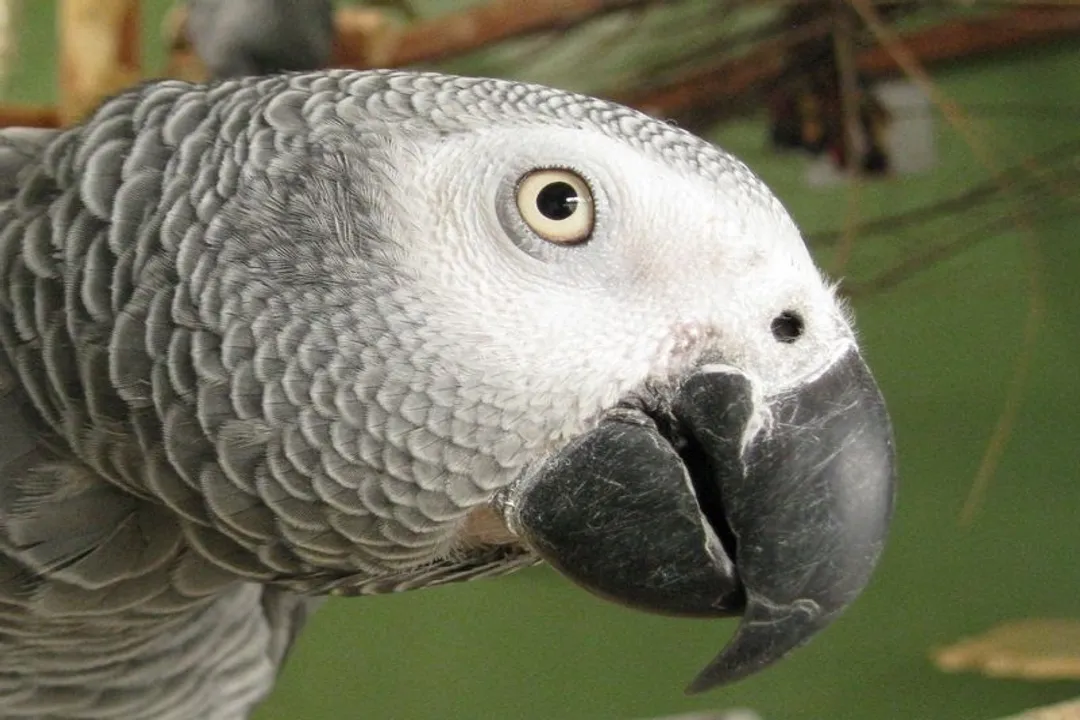
When considering physical traits, the brilliant plumage of parrots often comes to mind first. [2][9] The sheer variety in coloration across the order is astounding, ranging from small, uniformly colored birds to the large macaws adorned with swathes of brilliant blues, reds, and yellows. [2]
Unlike many birds whose color comes predominantly from melanin or structural reflection, parrots possess unique pigments called psittacofulvins. [1] These pigments are responsible for producing the striking yellow, orange, and red hues seen in many species. [1] While green is common, often appearing due to the way structural color interacts with yellow psittacofulvins in the feathers, the underlying chemistry is what makes their reds and yellows so vivid and structurally unique. [1] The diversity in color likely serves purposes in species recognition, camouflage within specific foliage, and courtship displays. [2]
# Fleshy Tongue
Parrots possess a tongue that is surprisingly thick, fleshy, and muscular compared to the slender tongues found in many other bird species. [4][5] This muscularity is directly linked to its function. The tongue is not merely for tasting or swallowing; it acts as a highly responsive appendage. [4]
It assists the beak by manipulating food items within the mouth, positioning seeds or nuts precisely before the crushing action occurs. [5] It can move food efficiently toward the esophagus. [4] One interesting observation is how this thick tongue, when combined with the curved beak, allows the bird to sample textures and move small items around with precision, almost functioning as a third "finger" in their feeding apparatus. [4][5] This intricate interaction between the beak's curve and the tongue’s bulk creates a highly efficient processing unit for varied food sources. [5]
# Varied Scale
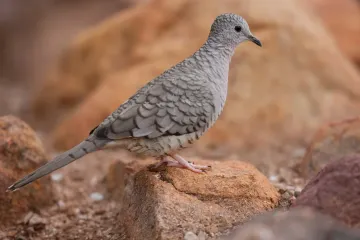
The physical characteristics of parrots span an immense spectrum of size, which is a crucial aspect of understanding the order. [6] The term "parrot" covers birds from the diminutive Buffon's or Pygmy Parrots, some measuring only about four inches in length, up to the magnificent Hyacinth Macaw, which can reach nearly forty inches from head to tail tip. [2][6][9]
This wide variation in scale means that the exact mechanics of their beak strength and the required gripping power of their feet must adapt to their body mass and diet. [4] A tiny parrot needs a bill strong enough for its seeds, while a large macaw's bill must manage large, hard nuts requiring substantial force. [1] This adaptability in scale, while maintaining the core physical blueprint (beak, feet, tongue), speaks to the evolutionary success of the Psittaciformes across diverse ecological niches. [6]
# Structural Adaptations Summary
When viewing the parrot as an integrated physical unit, the specialized features work in concert to support their lifestyle. The stocky body shape, often coupled with a relatively short neck, provides a compact form ideal for maneuvering through dense canopy environments. [4][9] Their large eyes generally suggest excellent visual acuity, essential for spotting predators or ripe food high above the ground. [7]
If we consider the biomechanics involved in feeding, it becomes clear that the parrot is built for manipulation. A bird needs its feet free to fly, but parrots often sacrifice this freedom briefly to eat, using their zygodactyl feet to grasp their meal while their strong beak and muscular tongue perform the detailed work of consumption. [4][5] This specialized interaction means that when assessing a parrot’s physical needs in captivity, understanding that its feet are as vital for handling as they are for perching is key to providing an appropriate environment. [1][5]
| Feature | Primary Role | Key Physical Detail |
|---|---|---|
| Beak | Crushing, Climbing, Defense | Strongly curved upper mandible overlapping the lower [1][4] |
| Feet | Grasping, Manipulation | Zygodactyl: two toes forward, two toes backward [1][5] |
| Tongue | Food Handling | Thick, fleshy, and highly muscular [4][5] |
| Plumage | Camouflage, Display | Use of psittacofulvin pigments for reds and yellows [1] |
The combination of these attributes—a powerful hook for tearing, specialized feet for gripping and holding, and a thick tongue for processing—results in a bird capable of extracting nourishment from sources that might be inaccessible to species with simpler mouthparts. [4][5] This physical specialization is one of the reasons parrots have managed to colonize so many different tropical and subtropical areas across the globe. [6][9]
Related Questions
#Citations
Parrot - Wikipedia
Parrots | Nature - PBS
Parrot: Physical Characteristics - Brightly colored feathers, curved ...
Parrots: Psittaciformes - Physical Characteristics
Parrot Anatomy - Parrot Fun Zone
Psittaciform | Definition & Characteristics - Britannica
Parrot Biology - Omlet
Parrot - Classification, Features, Types, Behavior, Diet and Uses
Parrot Facts: Habits, Habitat & Species - Live Science