What are the physical characteristics of a dove?
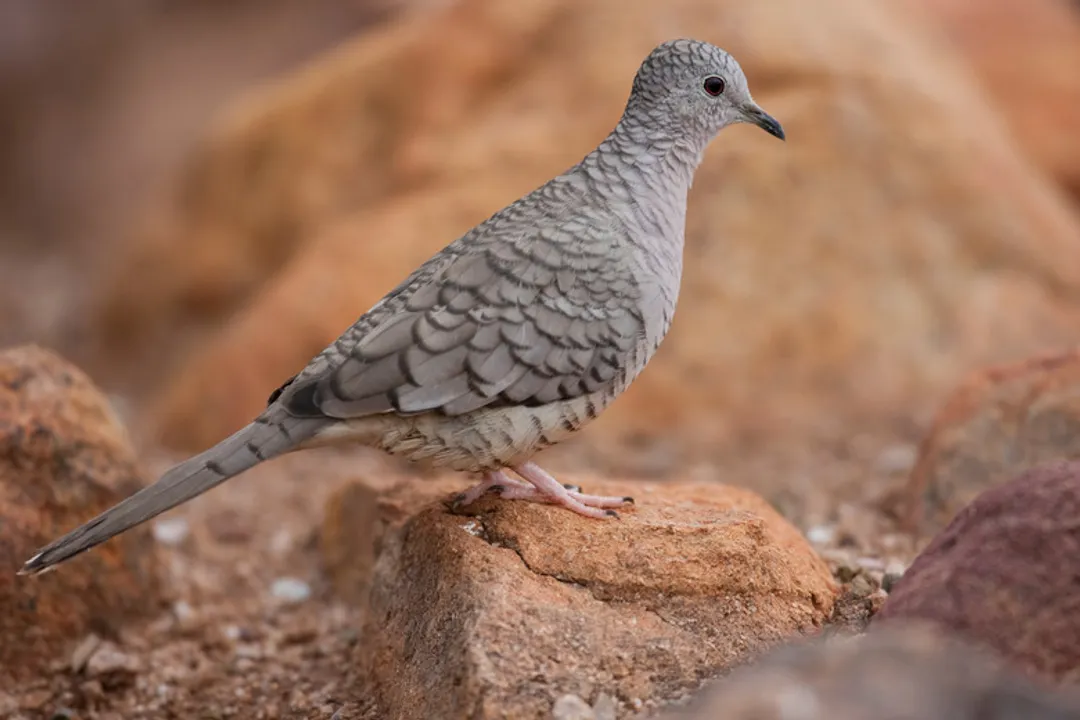
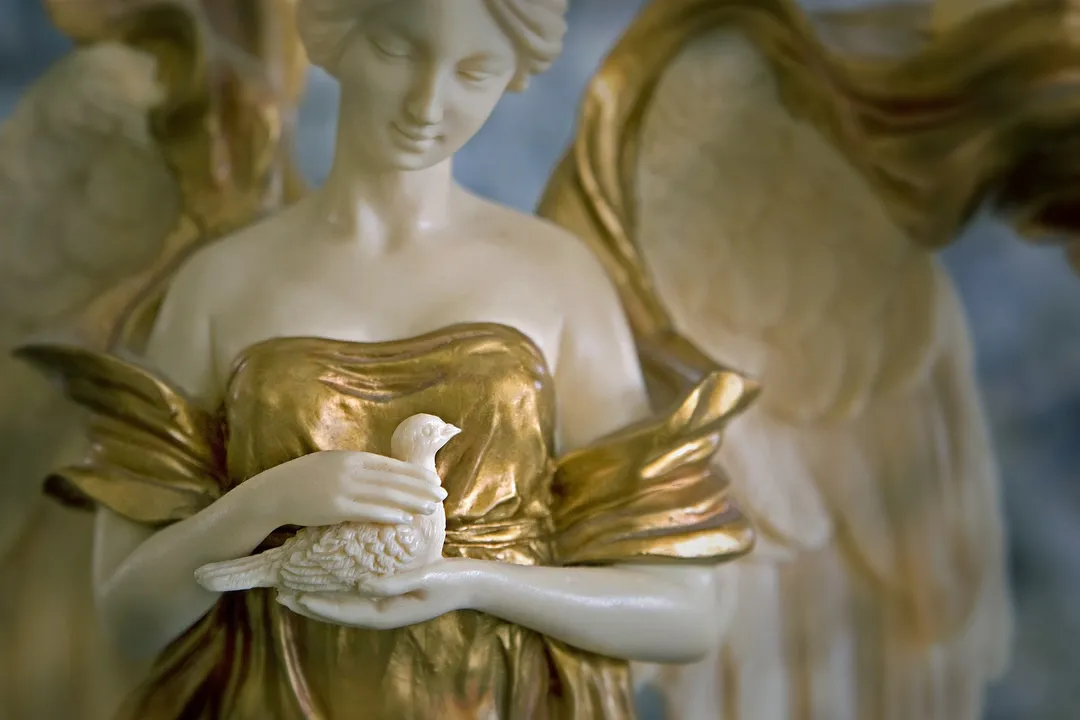
The dove, often recognized globally as a symbol of peace and enduring affection, possesses a distinct physical presentation that sets it apart in the avian world. While many people associate the name "dove" with the ubiquitous white bird often released at ceremonies, the actual characteristics vary across species, though common features usually point toward a more delicate or slender appearance when compared to their close relatives, the pigeons. [3] Understanding the typical body plan reveals why these birds have earned their reputation for grace.
# Size and Stature
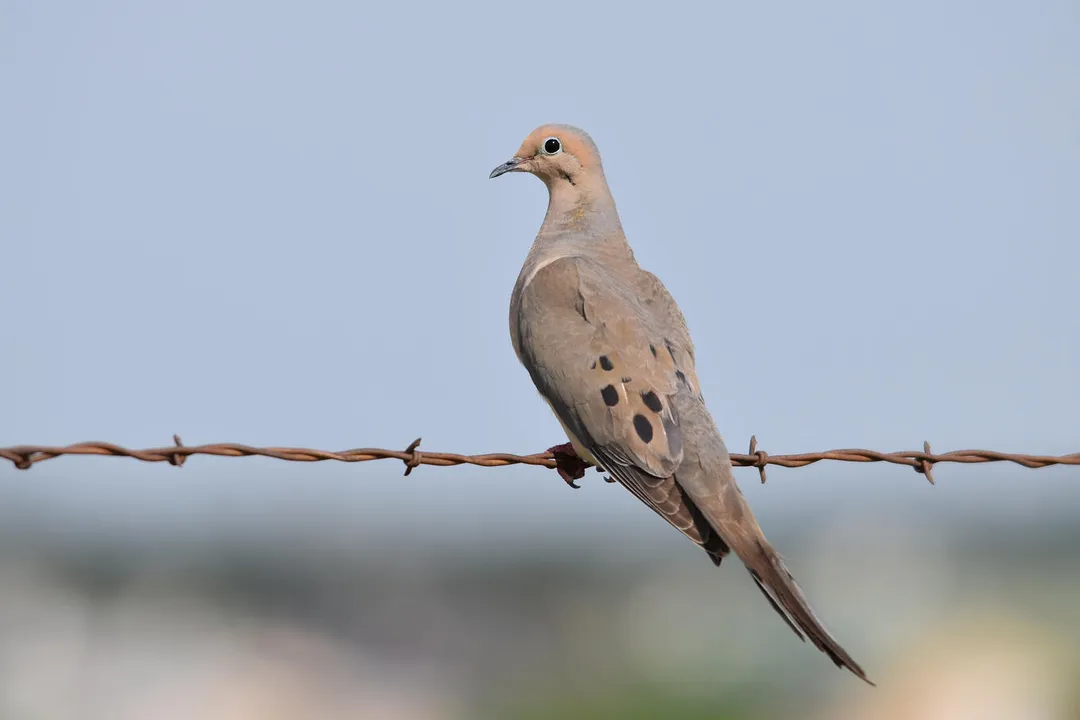
When distinguishing a dove from a pigeon, the general rule of thumb leans toward size, although this is not always definitive across all species. Doves tend to have smaller overall builds than pigeons. [3] Focusing specifically on the widely observed Mourning Dove, we can establish some measurable parameters. An adult Mourning Dove generally measures between 9 and 11.5 inches in length. [6] Their wingspan often reaches about 17 inches. [6] Weight-wise, they are relatively light, usually tipping the scales between 4 and 5.75 ounces. [6] This size profile contributes to their sleek look in flight and while perched.
This relative lightness means they appear streamlined. Their bodies are less bulky than those of many pigeon species, lending them an overall appearance of elegance. [3][9] Observing a flock, their individual shapes seem uniform, suggesting a consistency in how they utilize space and aerodynamics.
# Plumage Details

The coloration of doves is wonderfully nuanced, often involving subtle earth tones rather than stark colors, though the classic white dove remains a cultural icon. [7] For the Mourning Dove, the general appearance is a soft, muted gray-brown. [6][9] This camouflage is highly effective against tree bark and dry ground. Underneath, the breast and head often display a pinkish or buffy wash, adding a touch of warmth to the otherwise cool tones. [6][9]
A key identifying mark on the wings of many doves, including the Mourning Dove, are the distinct black spots. These markings are small but noticeable against the smoother feathering. [1][9] Beyond the body plumage, the head and bill structure are important features. Doves possess a relatively small head proportional to their body size. [3][8] Furthermore, their bill is typically thin and short. [8] This slender bill structure, combined with the small head, creates an uncluttered profile that contrasts sharply with the thicker, more robust bills found on many seed-cracking birds. One might surmise that this fine instrument is perfectly adapted for picking up small seeds and grains scattered across the ground, rather than requiring the force needed for hard-shelled nuts or insects.
# Tail Shape
Perhaps one of the most reliable field marks for identifying a dove in flight, especially at a distance or in fading light, is the tail. Doves, particularly the Mourning Dove, are characterized by an exceptionally long and distinctly pointed tail. [3][6][8][9] This morphology creates a slender rudder that extends noticeably beyond the body when the bird is still.
The practical implications of this long, pointed tail are worth noting. While the rounded or squared-off tails of many pigeons allow for braking and sharp turns, the tapering shape seen in the dove suggests a specialization for direct, efficient movement. When you are trying to quickly determine if the bird you spotted was a mourning dove or a familiar rock pigeon, observing that long, tapering tail silhouette against the sky provides a near-instant confirmation of dove presence, even before you can resolve the feather colors. [3]
# Flight Dynamics

The movement of a dove through the air is as characteristic as its appearance on the ground. Their flight is often described as graceful, strong, and direct. [7] When taking off, the action is rapid, involving quick wing beats. [9] This rapid movement produces a distinctive sound, often described as a soft whooshing [9] or a noticeable whistling sound as the air moves over the primary feathers. [1][8] This sound is a crucial auditory clue to their presence.
Unlike the floppy or erratic flight patterns seen in some smaller birds, doves maintain a purposeful trajectory when traveling between feeding areas or roosts. [7] This combination of a streamlined body, powered wing strokes, and that unique wing whistle makes their aerial presence quite noticeable, even when their camouflage plumage blends them into the background on a branch.

# Internal Variations
While the general characteristics hold true, it is important to recognize that the term "dove" encompasses many species, and variations exist. The physical traits described above are highly characteristic of the Mourning Dove, a species common across large parts of the Americas. [1][6] Other dove species, like the larger Eurasian Collared-Dove, might exhibit slightly different color washes or tail length proportions, although the general slender build and small head are maintained. For instance, while the Mourning Dove leans heavily on gray-browns, one might encounter species that show more pinks or even blues in their iridescence depending on the angle of the light hitting the feathers. The consistency across the family, however, remains their neat, unruffled appearance compared to some rougher-looking members of the pigeon and dove order.
#Videos
Dove (Description and Physical Characteristics) - YouTube
Related Questions
#Citations
Mourning Dove Overview, All About Birds, Cornell Lab of Ornithology
Dove (Description and Physical Characteristics) - YouTube
Characteristics Of Doves - Sciencing
Amazing Dove Facts & Figures
Mourning Dove bird facts and characteristics in Montgomery, AL
Mourning Dove | Colorado Parks and Wildlife
Why Doves are the Symbol of Peace and Other Dove Facts
10 Things You Might Not Know About Mourning Doves