Warthog Scientific Classification
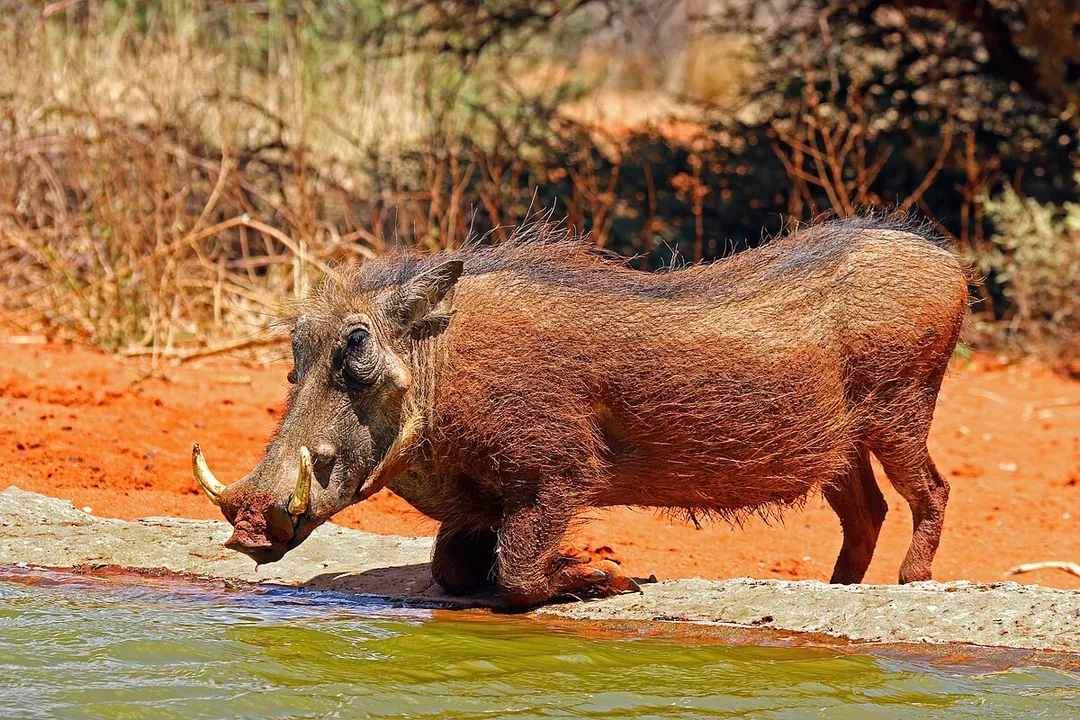
The common warthog, often recognized by its distinctive tusks and comical running posture, is far more than just a familiar African grassland resident; it occupies a very specific, detailed branch on the tree of life. Understanding its scientific classification provides a precise biological address, charting its evolutionary journey from the broadest categories down to its unique species identity. This classification system, established by Linnaeus, relies on nested ranks—from Kingdom down to Species—that define shared characteristics and evolutionary relationships among living things.
# Kingdom Rank
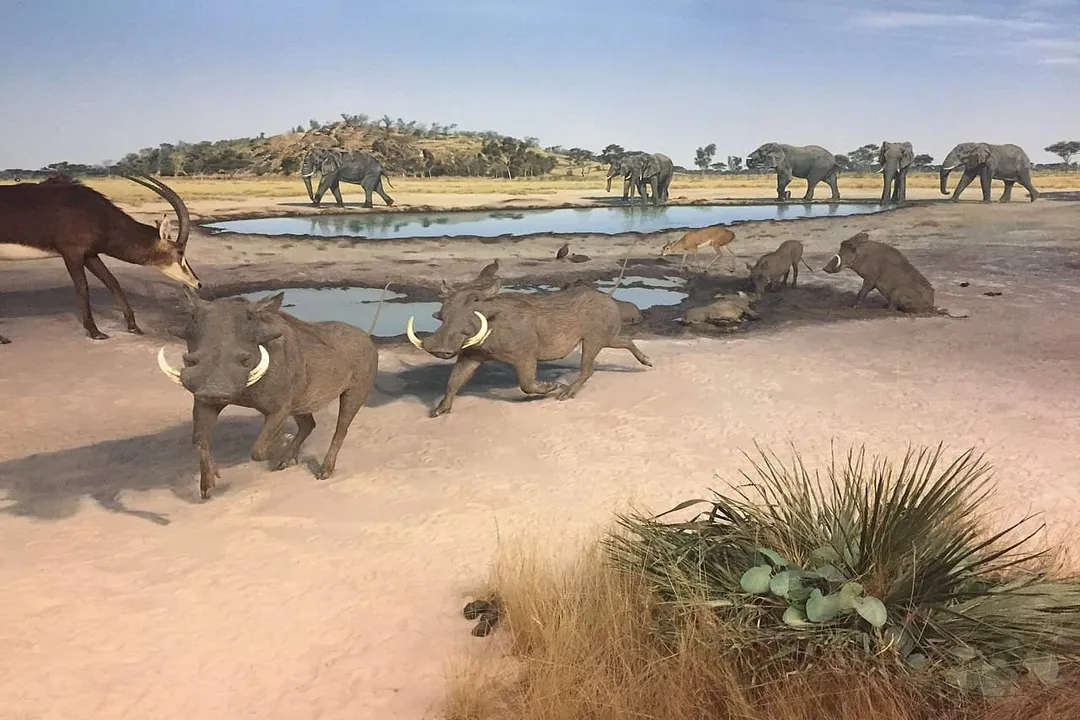
The very first step in placing the warthog in the biological hierarchy is assigning it to the Kingdom Animalia. This immediately tells us it is a multicellular, eukaryotic organism that is heterotrophic, meaning it cannot produce its own food and must consume other organisms. This places it alongside everything from insects and fish to elephants and humans. As an animal, it shares fundamental characteristics like mobility (at some stage of life) and complex cell structures without rigid cell walls.
# Phylum Chordata
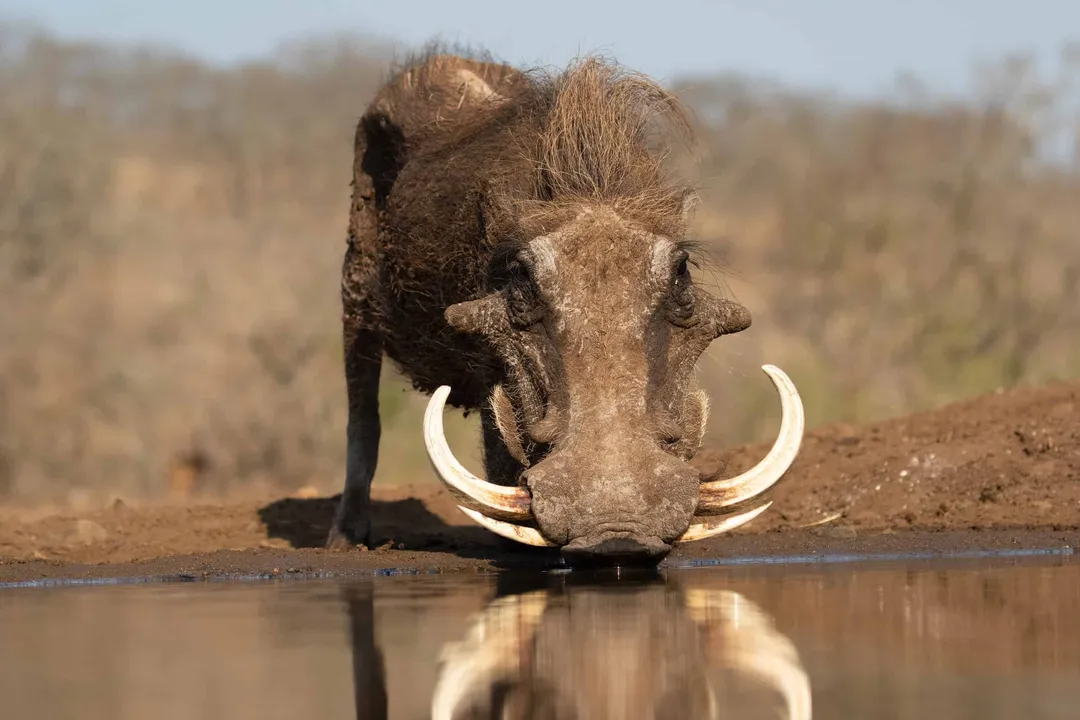
Moving to the next major grouping, the warthog belongs to the Phylum Chordata. This group is defined by the presence of a notochord, a dorsal hollow nerve cord, pharyngeal slits, and a post-anal tail at some point during their development. For the warthog, like all vertebrates, the notochord is replaced by a vertebral column or backbone as it matures, solidifying its place among the subphylum Vertebrata. This places it squarely within the group of animals possessing a bony or cartilaginous skeleton that protects the central nervous system.
# Class Mammalia
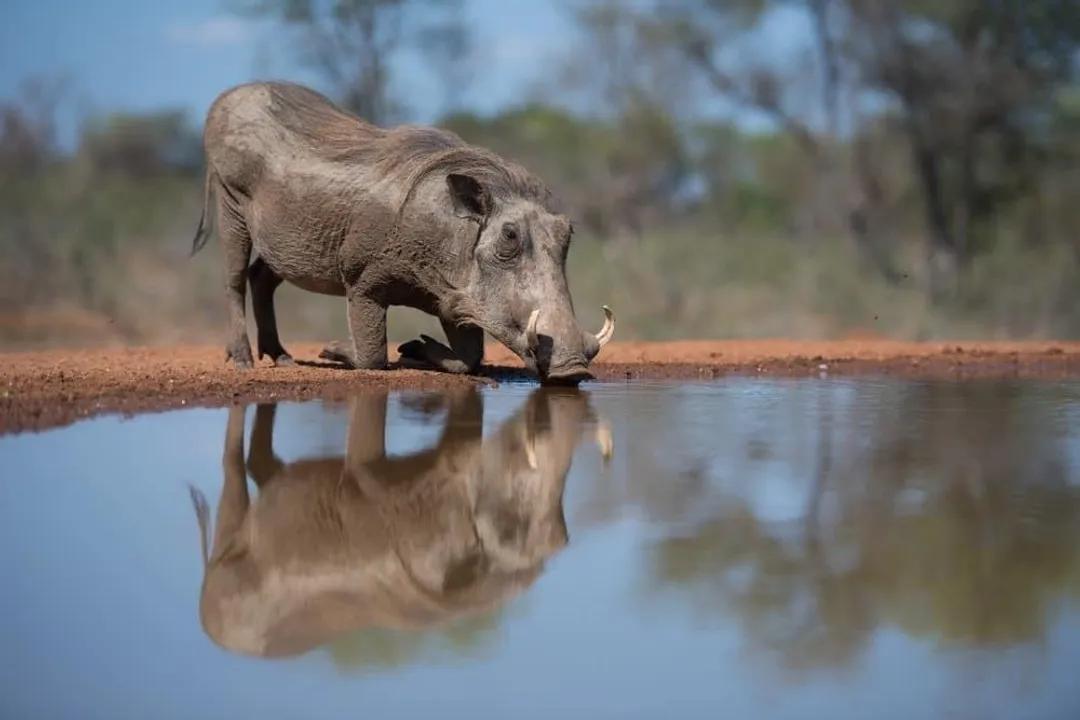
Within the Chordates, the warthog is classified in the Class Mammalia. Mammalian traits are familiar: warm-bloodedness, the presence of hair or fur, and perhaps most notably, the production of milk via mammary glands to nourish their young. Warthogs are placental mammals, meaning the fetus develops internally, nourished by a placenta, distinguishing them from marsupials or monotremes. The possession of specialized teeth and three middle ear bones are further confirmation of this classification.
# Order Artiodactyla
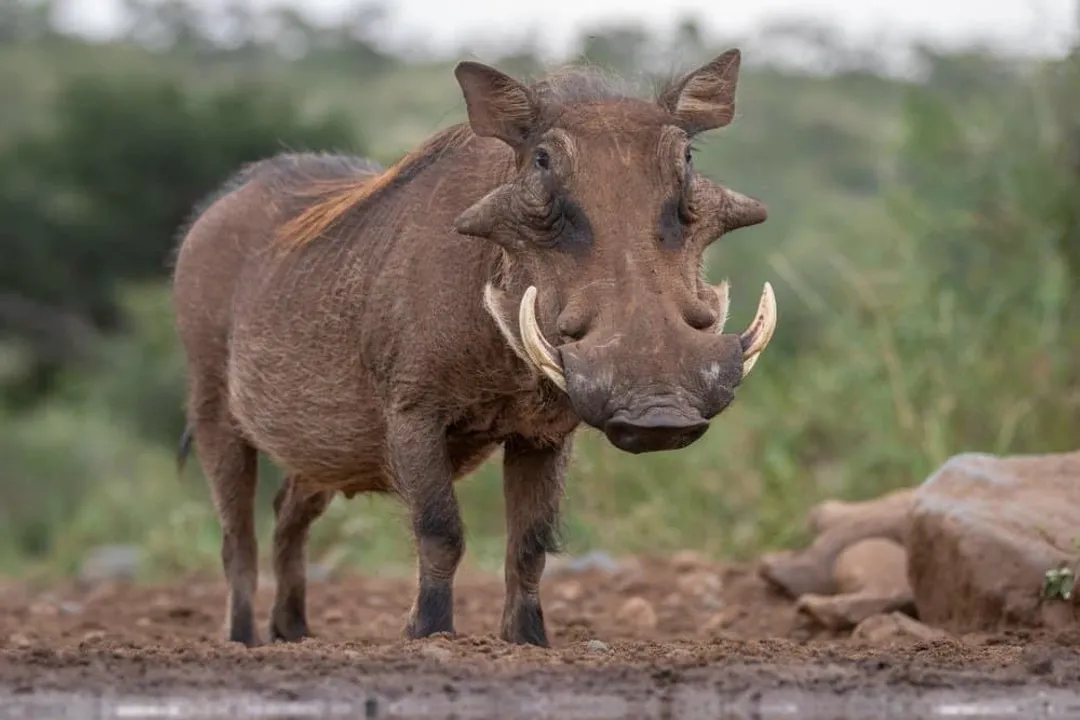
The next level down is the Order Artiodactyla, or the even-toed ungulates. This order groups animals that bear their weight primarily on an even number of toes—two or four—with the third and fourth toes being the most developed. This group includes well-known creatures like cattle, deer, hippos, and pigs. Warthogs are considered ungulates, meaning they walk on the tips of their toes, which are encased in hooves. This shared structure indicates a common ancestry with other hoofed mammals that adapted to cursorial (running) lifestyles.
# Family Suidae
The classification narrows significantly at the Family level, where the warthog is placed in Suidae. This family contains all pigs, hogs, and boars. Members of the Suidae family share specific morphological traits, such as a relatively short snout ending in a disc-like structure used for rooting in the soil, and two pairs of tusks—the upper and lower canine teeth—that grow continuously.
When comparing the warthog (Phacochoerus) to other suids, such as domestic pigs (Sus scrofa), one finds distinct adaptations. While both root, the warthog has a more specialized skull structure and unique facial warts (hence the name) that other pigs lack. This suggests that while sharing the same family blueprint, the warthogs evolved a distinct ecological niche characterized by their grazing and digging habits in open savanna environments. This separation at the genus level indicates a significant divergence from other pig lineages long ago.
# Genus Phacochoerus
The genus is Phacochoerus. This is a critical step, as it groups the warthogs together, separating them from bush pigs, hogs, and peccaries, which belong to other genera within Suidae. The genus name itself is derived from Greek words meaning "warty hog" (phakos meaning "lentil" or "wart" and khoiros meaning "pig").
Within this genus, there are traditionally two recognized species, which highlights an interesting point in taxonomy: the relationship between the two living warthog forms is still sometimes debated, though generally accepted as two distinct species within the Phacochoerus genus.
# Species Distinction
The genus Phacochoerus currently encompasses two species: the Common Warthog and the Desert Warthog.
- Common Warthog (Phacochoerus africanus): This is the more widespread and numerically dominant species, found across large swathes of sub-Saharan Africa.
- Desert Warthog (Phacochoerus aethiopicus): Historically, the classification has been slightly fluid regarding this second species. Some earlier sources listed only P. aethiopicus or treated the common warthog as P. aethiopicus africanus. However, current consensus often recognizes the Common Warthog as P. africanus and the Desert Warthog as the distinct, albeit much rarer, P. aethiopicus, which historically inhabited drier regions like Ethiopia and Somalia. The Desert Warthog is considered by some to be extinct or nearly so, though records are sparse and often confused with the Common Warthog in drier areas.
This differentiation at the species level means that while they look similar and share the same genus, they are reproductively isolated populations, or potentially geographically separated lineages that have evolved distinct adaptations.
For a quick reference, here is the standard hierarchical placement for the Common Warthog:
| Taxonomic Rank | Classification |
|---|---|
| Kingdom | Animalia |
| Phylum | Chordata |
| Class | Mammalia |
| Order | Artiodactyla |
| Family | Suidae |
| Genus | Phacochoerus |
| Species | P. africanus |
# Evolutionary Isolation
It is quite striking that the warthog genus, Phacochoerus, is not closely related to the other common suids like the bushpigs (Potamochoerus) or the wild boar (Sus). Most modern pig genera diverged much earlier in evolutionary history. The warthogs’ unique features—the prominent facial warts, the specific structure of the molars, and their grazing herbivory—suggest an evolutionary path distinct from their omnivorous, rooting relatives. This degree of morphological specialization within its own genus, absent any other closely related living genus, hints at a long period of independent evolution since splitting from the main Suidae family tree. If you were studying fossil evidence, you would likely find a much more diverse array of Phacochoerus ancestors, only two of which survived into the modern era.
# Classification Practicality
The Linnaean system, while seemingly abstract, has direct practical implications, particularly in conservation and field biology. Knowing the warthog is Phacochoerus africanus rather than a related bush pig affects how researchers study its genetics, diet, and population health. For instance, a study tracking disease susceptibility based on diet would focus specifically on the grazing adaptations common to P. africanus and P. aethiopicus, ignoring the differences found in rooting omnivores like Sus. When park rangers manage wildlife populations, accurate species identification, which is underpinned by this classification, is essential for understanding habitat requirements. Knowing the difference between the Common Warthog distribution and the potentially localized or extinct Desert Warthog influences where conservation funding is allocated or where specific monitoring efforts must be intensified.
When trying to identify a specimen in the field, this hierarchy provides a filtering mechanism. If you see a hoofed mammal (Artiodactyla), narrow it down to the pig family (Suidae). If it has prominent tusks and rooting behavior, you are in the right neighborhood. If it also possesses large facial warts and has been recorded in a savanna environment, you can confidently place it in the genus Phacochoerus. The final distinction between africanus and aethiopicus often relies on subtle differences in skull shape, molar morphology, or exact geographic range, but the initial classification steps are often visually straightforward for an experienced observer.
# Taxonomic Naming
The established scientific name for the species is binomial nomenclature: Phacochoerus africanus. The first word, Phacochoerus, is the genus name and must always be capitalized. The second word, africanus, is the specific epithet, always written in lowercase. Both parts of the name must be italicized when typed or underlined when handwritten. This convention, standardized across biology, ensures that a scientist in Berlin referring to the species knows precisely which animal a researcher in Nairobi is describing, regardless of local common names. This specificity prevents confusion that arises when common names change dramatically across small geographic distances or languages, which is a frequent issue for widely distributed animals like the common warthog.
Related Questions
#Citations
Warthog - Wikipedia
Common Warthog (Phacochoerus africanus) Fact Sheet - LibGuides
Warthog Facts and Information | United Parks & Resorts
Phacochoerus africanus (common warthog) - Animal Diversity Web
Warthogs (Genus Phacochoerus) - iNaturalist
Common Warthog (Phacochoerus africanus) - The Extinctions
Phacochoerus is a genus in the family Suidae, commonly known as ...
Warthog - Phacochoerus africanus - A-Z Animals