*Wiwaxia*'s successful dispersal across Laurentia, South China, and Baltica demonstrates its ability to colonize which type of ancient environment?
Answer
Different shallow marine environments
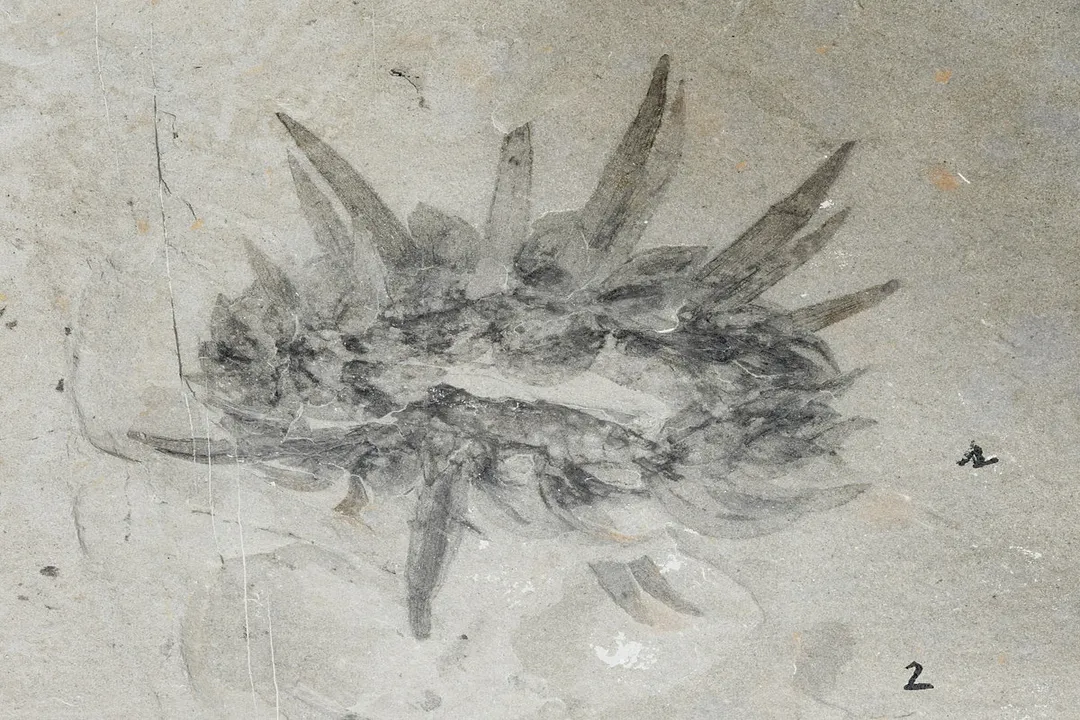
The fossil record indicates that *Wiwaxia* was capable of colonizing different shallow marine environments across major continents. The creature was not restricted to the potentially deeper water conditions suggested by some Burgess Shale beds, but its finds in other locales imply adaptability to varied substrates and water depths. This suggests it was a moderately successful creature rather than a highly endemic specialist confined to a single, narrow habitat. This ecological flexibility across diverse settings contributes to the conclusion that its niche was highly transferable globally during the Cambrian explosion.
Related Questions
To which geological epoch is the well-known species *Wiwaxia corrugata* definitively associated?What is the type locality, the original place where *Wiwaxia* was formally described?What specific structural features found on *Wiwaxia* help define the genus according to preservation quality?Which formation in the United States evidences the broader spread of *Wiwaxia* across the paleo-continent of Laurentia?Which major fossil site in Yunnan, China, represents another critical window into Middle Cambrian life for *Wiwaxia*?Fossils attributed to *Wiwaxia* found in Europe confirm its dispersal across which ancient continental plate?What potential ecological role is suggested for *Wiwaxia* based on its successful global dispersal?*Wiwaxia*'s successful dispersal across Laurentia, South China, and Baltica demonstrates its ability to colonize which type of ancient environment?What insight does the comparison between Burgess Shale and Kinzers Formation preservation offer about *Wiwaxia*?What phenomenon is highlighted by *Wiwaxia*'s presence in both Laurentia (North America) and the region that became China?