Why were Mesozoic toothed birds, like **enantiornithines** and *Hesperornis*, vulnerable during the impact winter?
Answer
They often relied on chasing live prey like fish, insects, or small reptiles whose populations plummeted.
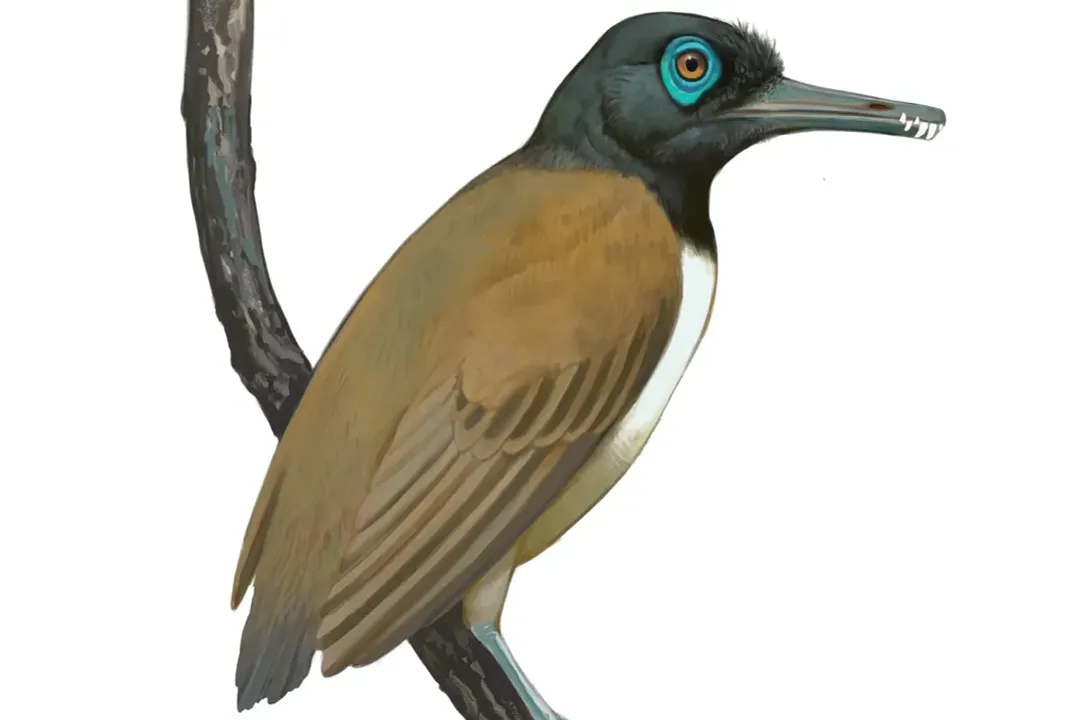
The catastrophic event that ended the Cretaceous caused an impact winter which led to the near-total collapse of photosynthetic life, thereby devastating the global food webs built upon it. Toothed birds, including the diverse **enantiornithines** and specialized marine hunters such as *Hesperornis*, were highly dependent on the consistent availability of live prey, such as insects, fish, and small reptiles. When the primary producers died, the populations of these fast-moving, volatile food sources crashed, directly leading to the starvation and subsequent demise of the specialized predators that required them for sustenance.
Related Questions
What reptilian characteristic did the earliest bird, *Archaeopteryx*, possess that modern birds lack?What type of prey did the Cretaceous marine bird *Hesperornis* specialize in catching in the shallow seas?What critical cranial function did most **enantiornithes** typically lack in contrast to later avian lineages?What surprising component of the diet of *Longipteryx chaoyangensis* was revealed by stomach content analysis?How robust was the tooth enamel thickness in *Longipteryx* compared to massive predators like *Allosaurus*?What characterizes the 'pseudoteeth' found on the massive Cenozoic **Pelagornithidae** birds?What flight specialization, utilized by modern albatrosses, did immense **Pelagornithidae** birds primarily rely upon?Why were Mesozoic toothed birds, like **enantiornithines** and *Hesperornis*, vulnerable during the impact winter?What adaptive advantage allowed the ancestors of modern beaked birds to survive the ecological collapse?What hypothesized dual function, beyond mashing food, might the robust teeth of *Longipteryx* have served?