What is the English name for the Uguisu bird?
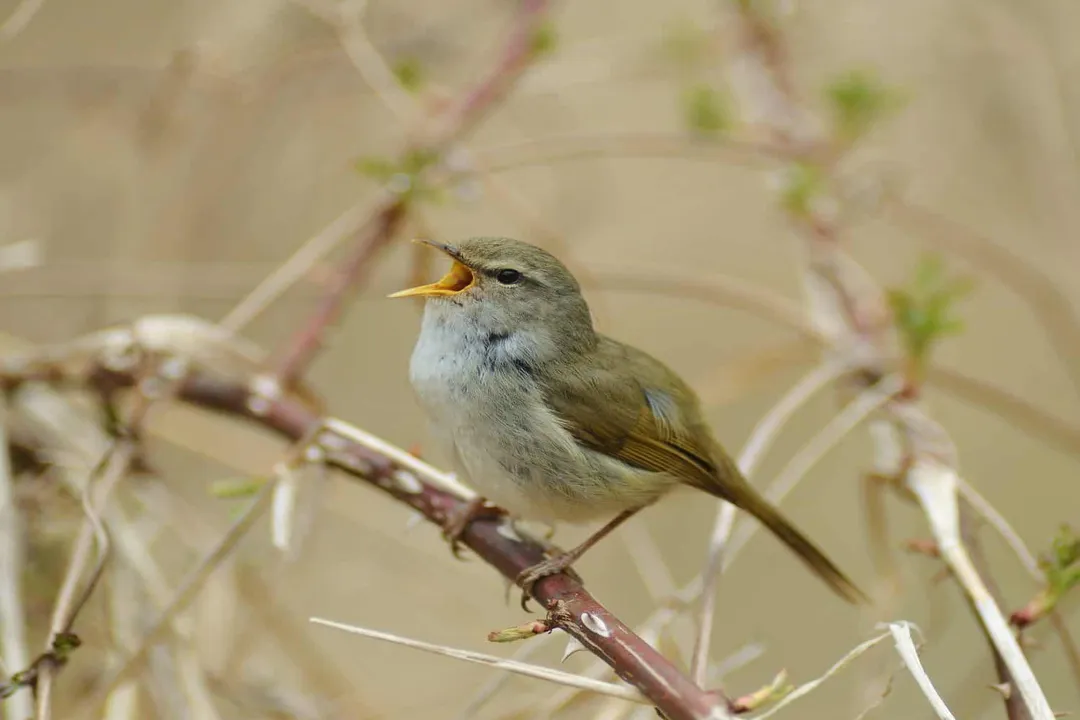
The delightful sound that signals the start of spring in Japan is instantly recognizable to many, even if they only know it by its sound or its Japanese name, uguisu (鶯). Yet, for those seeking to discuss this beloved avian in English, a clear identification is needed. The most widely accepted and authoritative English name for the uguisu is the Japanese Bush Warbler. This moniker, while descriptive, is just one layer in understanding this small, yet culturally significant, passerine bird. Its scientific designation, Horornis diphone, offers precision, though it may be less accessible for casual conversation.
# Naming Logic
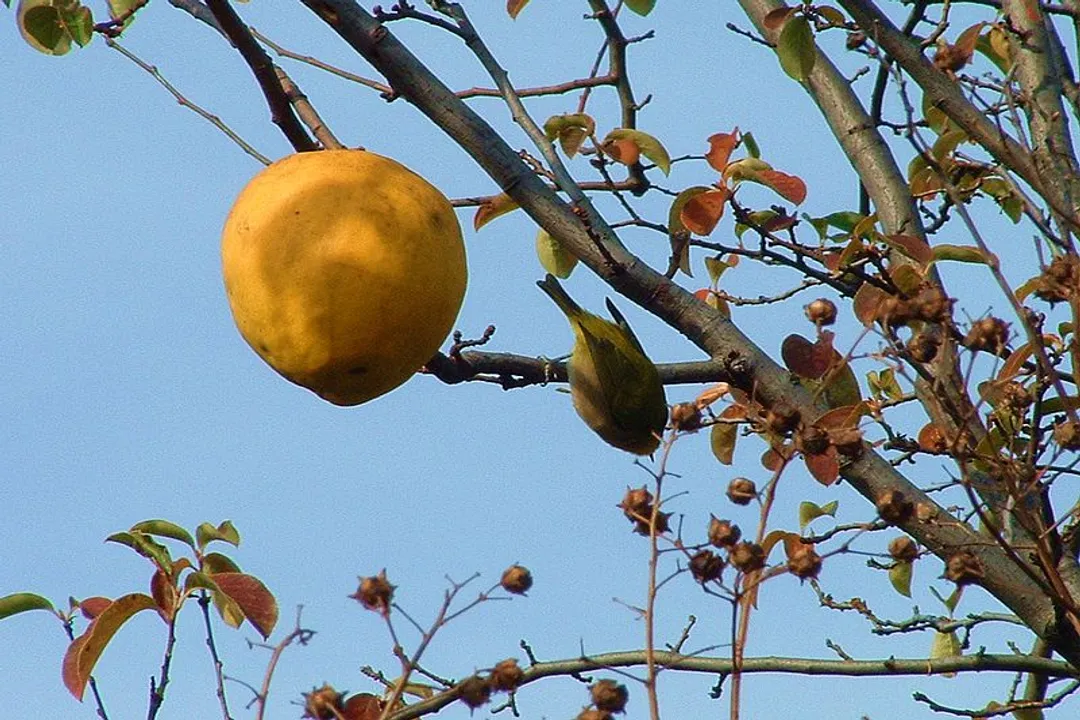
The English translation of uguisu as the Japanese Bush Warbler is derived from a combination of its geographic association and its typical habitat. The bird is native to East Asia, with a significant presence in Japan. Furthermore, its preference for thick foliage, such as bamboo thickets and dense undergrowth in mountain forests and low hills, naturally places it within the "bush" environment. This makes the "Bush Warbler" designation quite fitting for its preferred lifestyle, as it generally hides itself from view within dense vegetation.
Interestingly, the bird was also historically referred to in English as the Japanese Nightingale due to the exceptional beauty of its song. However, this comparison, though flattering, is scientifically and behaviorally misleading. The primary issue lies in the timing of the song; while the nightingale is famous for singing nocturnally, the uguisu primarily sings during the daytime, especially as spring begins. Because of this, ornithological resources often favor Japanese Bush Warbler or Singing Bush-warbler over the nightingale comparison, as the latter term implies nocturnal activity that this species does not engage in. The scientific classification has seen shifts, moving from Cettia diphone to Horornis diphone, depending on the taxonomic authority consulted, but the English common name has largely stabilized around the Bush Warbler designation.
# Spring’s Arrival
In Japan, the uguisu's call is deeply embedded in cultural understanding as the definitive announcement of spring. While other birds might signal seasonal change elsewhere, the song of the uguisu carries that specific cultural weight, symbolizing renewal. Its distinctive breeding song, often characterized by a loud, sustained whistle followed by quick notes, can be heard throughout much of Japan as the season turns. The complexity of the song is evident, with young birds learning to perfect the characteristic Hooo-hokekyo call by listening to others nearby.
Considering its cultural link to the season, an interesting observation emerges when contrasting the bird's song schedule with traditional Japanese aesthetics. The uguisu is frequently associated in poetry and art with the ume (plum) blossom. However, the bird's famous song is often heard after the plum blossoms have faded, signaling a slightly later phase of early spring. In traditional haiku, the bird associated with this slightly later song is sometimes referred to as sasako, and its song as sasanaki. This subtle difference between the visual marker (plum blossom) and the definitive auditory marker (the full song) shows a nuanced relationship with nature in Japanese seasonal observation; the bird’s presence signals the general start of spring, but its full song marks a specific moment within that period.

# Appearance and Elusiveness
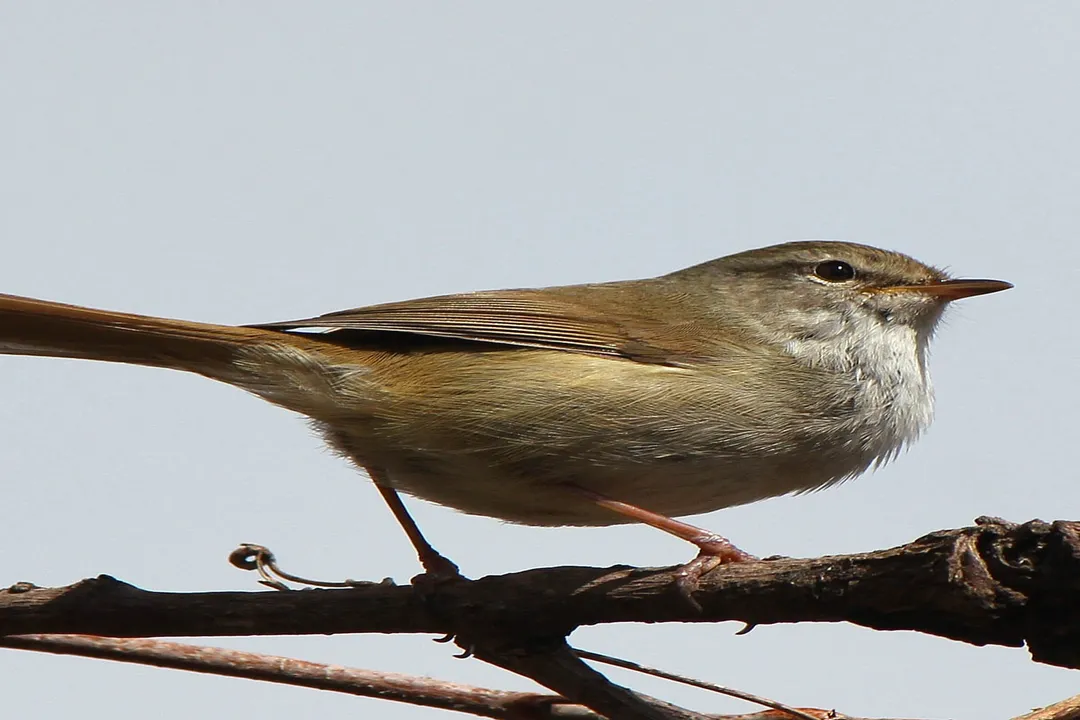
The Japanese Bush Warbler is a relatively small bird, typically measuring around 15.5 centimeters, or about 6 inches, in length. Physically, it is quite modest, sporting drab plumage that contrasts sharply with its melodic output. Its back is generally olive-brown or pale brown, and it possesses pale eyebrows, which are a useful identifying mark. It has a somewhat long, dark beak that appears slightly upturned, giving the impression of a slight smile. Like many secretive species, its drab coloring serves as excellent camouflage, allowing it to blend into the dense foliage where it prefers to reside.
This very trait—elusiveness—is why the English name Bush Warbler persists, but it is also why its song is so crucial. The bird is generally described as solitary and secretive, preferring to stay concealed in dense areas during the day. This suggests that if one travels to a typical habitat—be it a lowland hill or mountain forest during the summer months—the auditory experience will far outweigh the visual one. A practical consideration for birders familiar with this species is recognizing that its calls, particularly the territorial song, can make the bird sound much closer than it actually is, a phenomenon stemming from acoustics within dense vegetation. This means that simply heading toward the loudest sound might lead you into a dense thicket without ever spotting the singer itself.
# A Bird in Culture
The influence of the uguisu extends far beyond simple ornithological identification; it is woven into the practical and artistic fabric of Japanese life. Beyond its place in classical poetry collections like the Man'yōshū, its status as a seasonal indicator (kigo) in forms like haiku solidifies its authority on the calendar.
Its relationship with sound quality also led to a unique human application. Women chosen for roles as announcers, known as uguisu-jō, were selected specifically for their beautiful, warbling voices, reminiscent of the bird. These individuals have historically made public announcements, such as those for political campaigns or outside stores advertising sales. Furthermore, the auditory characteristic of the bird gave its name to a remarkable architectural feature: the uguisubari, commonly translated as the "nightingale floor". These floors were engineered to squeak under pressure, providing a warning against intruders, such as ninjas, with the sound described as being somewhat similar to the bird’s soft chirping. Historical examples of these floors can still be found in ancient structures like Nijō Castle in Kyoto.
Perhaps the most surprising cultural detail involves the bird’s waste. The droppings, known as Uguisu no fun, have been used traditionally as a cosmetic remedy. Rich in an enzyme that supposedly aids in skin brightening and reducing fine wrinkles, this dried and sterilized guano is still commercially available today as "uguisu powder". It was also historically employed as a powerful cleaner for stains on delicate fabrics like kimono.

# Life and Context
As a species, the Japanese Bush Warbler is classified as Least Concern by the IUCN, suggesting a generally stable population across its extensive range, which includes areas like China, Korea, and the Philippines, with an introduction population thriving in Hawaii. Despite this healthy overall status, habitat loss from development remains a recognized threat. Their diet, consisting of insects like beetles and moths, alongside berries and fruit, makes them omnivores and beneficial occupants of gardens and forests. Their relatively short lifespan, generally between two and five years, means that the annual chorus of spring is a new cohort of birds making their presence known. In terms of breeding, the males rely on their superior singing talent, rather than bright plumage, to attract a mate, building bowl-shaped nests hidden securely in thick brush.
Ultimately, whether one encounters the Horornis diphone in a dense thicket, reads about it in classic verse, or sees its name on a bird checklist, the English translation that best encapsulates its identity, habitat, and cultural geography is the Japanese Bush Warbler. It is a powerful example of a bird whose cultural voice is far more famous than its physical appearance.
Related Questions
#Citations
Uguisu Bird Facts - Horornis diphone - A-Z Animals
Japanese bush-warbler - Hawaiʻi Birding Trails
Horornis diphone (Japanese Bush Warbler) - Avibase
Uguisu Facts & Photos | Wowzerful
Japanese bush warbler Facts for Kids