Where can I find waxwing birds?

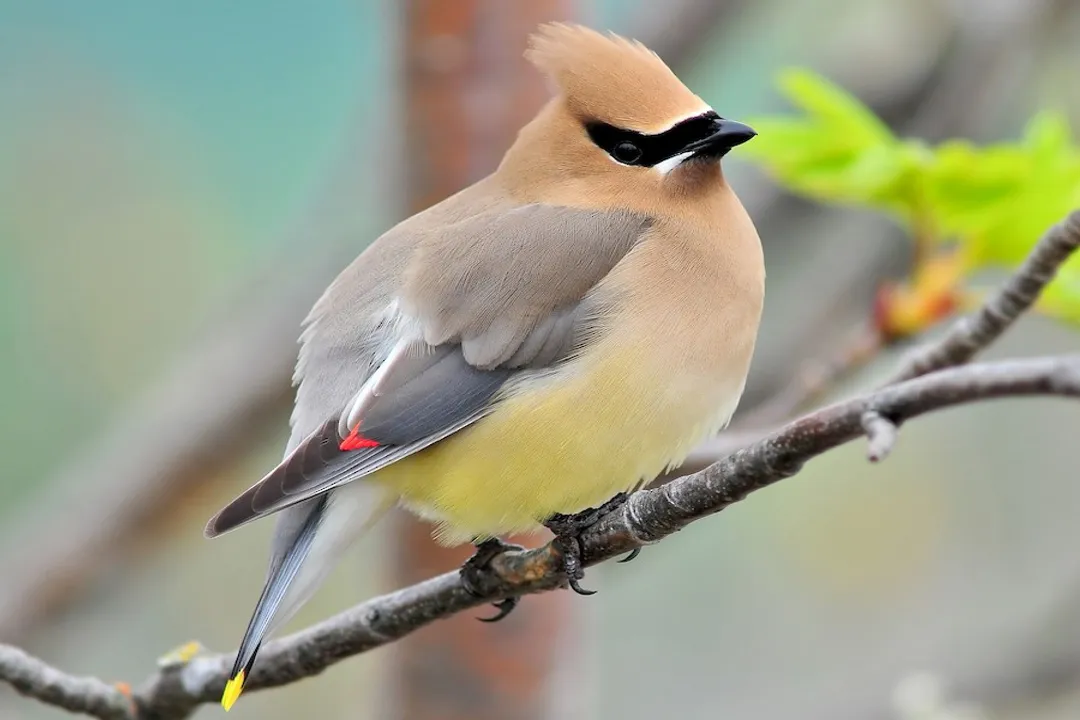
The sight of a flock of Cedar Waxwings moving through the landscape is a memorable experience, often marked by their smooth, sophisticated plumage and their near-constant, high-pitched calls. These strikingly elegant birds, characterized by their sleek brown and yellow appearance, black mask, and subtle waxy red tips on their wing feathers, are nomadic, making their location unpredictable but rewarding to find. [3][6] To successfully locate these birds, one must understand their dependency on food sources and the broad scope of their North American range.
# Range Distribution
Cedar Waxwings are widespread across North America, though their presence is heavily tied to food availability, leading to significant migratory movements. [1] Their territory spans from Alaska and much of Canada south through the United States. [1][5] Generally, the population is divided into distinct zones based on the time of year.
During the breeding season, their range is quite extensive, covering northern forests and open areas across much of Canada and into the northern contiguous United States. [1] However, once the nesting season concludes, they begin their southward movements. [1]
For birdwatchers looking to spot them in winter, the picture changes. While some populations remain relatively stationary in the southern US, others travel much further south into Mexico and Central America. [1] The maps illustrating their distribution show that the core wintering range settles across the southern half of the United States, stretching down through Central America. [1][4] A key observation from range data is the sheer breadth of the year-round resident areas, which are concentrated generally in the Pacific Northwest and parts of the Great Lakes region, indicating small pockets of the population do not undertake long seasonal migrations. [1][4] This non-uniform movement pattern means a location that hosts them in January might be entirely empty by May, and vice versa. [1]
# Habitat Needs
Understanding where they are found requires knowing what they need, and for Cedar Waxwings, the answer revolves around fruit and open spaces. [3][7] They are not deep-forest dwellers; instead, they prefer open areas with scattered trees, woodland edges, orchards, suburban parks, and riparian zones. [5][7] They are frequently seen foraging in tall deciduous trees, particularly those that produce copious amounts of small fruit or berries. [3]
When considering their habitat, think about the intersection of food and elevated perches. They need a high vantage point to scan for predators or potential feeding sites, but they must also have easy access to the berries or small insects they consume. [3][5] Look for them near edges where clearings meet woody cover, or along streams where fruiting shrubs thrive. [5]
If you are scanning a landscape, prioritize areas with:
- Fruiting Trees: Serviceberries, hawthorns, cedars, junipers, mountain-ash, and crabapples are particularly favored. [2][3]
- Water Sources: Though less critical than food, they will use birdbaths, especially when migrating or during dry spells. [7]
- Open Sightlines: Areas that allow them to move quickly into and out of dense berry patches are ideal. [5]

# Seasonal Foraging
The primary driver of Cedar Waxwing location is the shifting availability of their preferred diet, which is overwhelmingly fruit, especially during the non-breeding season. [3] During summer, they supplement their diet with insects, often catching them in the air, which influences where you might see them briefly. [6]
The most spectacular and predictable sightings often occur during migration, typically in spring and fall. At these times, large flocks move rapidly, often stopping only long enough to gorge on a temporary bounty of fruit. [4] If you are in a region where they are only passing through, your timing must align with the ripening or shedding of local berry crops. For example, a sudden cold snap that causes an early drop of high-sugar fruit can trigger an immediate, localized movement of waxwings searching for the next reliable source. [1]
When observing an area in late fall or early winter, if you notice a mature cedar or juniper tree has been completely stripped of its berries, do not assume the waxwings have left the area entirely. Instead, consider the immediate vicinity. They often move in small leaps from one fruit-bearing tree to the next within the same few blocks, operating as a unit until the local food supply is exhausted. [2] This behavior suggests that scouting an entire neighborhood or small park system, rather than just one yard, is more effective during a feeding stop. This kind of rapid assessment of local resource depletion helps predict their next likely location before they move on to another county. [2]
# Backyard Discovery
Attracting these birds to your property requires a targeted approach focusing on replicating their natural feeding preferences. [2] While they are often shy, the irresistible lure of preferred foods can bring them down to eye level, offering fantastic viewing opportunities. [2][6]
To increase your chances, focus your efforts on specific food sources:
- Planting for Waxwings: If you are establishing new plantings, prioritize native shrubs and trees known to be high-value food sources. Mountain-ash (Sorbus species), dogwood, juniper, cedar, and holly are excellent choices. [2][7] Planting a variety ensures that if one crop fails or finishes early, another will be ready soon after.
- Supplemental Feeding: If you see them nearby, offering supplemental food can sometimes hold a flock longer than natural sources alone. They readily consume soft fruits like grapes, raisins (soaked to prevent dehydration), and berries on a platform feeder or bird table. [2][7] Avoid using citrus fruits, as these are generally not preferred. [2]
- Presentation Matters: Place food out in the open, high up, and away from dense cover where predators might hide, as waxwings prefer open approaches. [2][5]
A useful observational point is that waxwings often prefer to feed on natural branches rather than artificial feeders if the fruit is available on the tree. [2] Therefore, the most successful strategy is often growing the right food, rather than simply putting out seed mixes.
# Flocking Behavior
A major advantage when searching for waxwings is their highly social nature. [3] Cedar Waxwings travel and feed almost exclusively in flocks, which can range from a handful of individuals to hundreds. [6] If you spot one, you have likely found many. This flocking tendency is vital for successful spotting because a large, noisy group is much easier to detect than a solitary bird. [3]
When a flock is actively feeding, the noise level increases dramatically as they communicate about food quality and danger. Listening for their high, thin, buzzing calls is often the first step to locating them, especially if they are feeding high in a tree canopy that obscures them from sight. [3]
Another element to consider that speaks to expertise in birding is understanding the social hierarchy during feeding. While they are generally sociable, intense feeding sessions can sometimes lead to brief, noisy territorial squabbles over a particularly choice cluster of berries. Seeing this brief, competitive behavior is a strong indicator that the flock is settled in for a significant meal, giving you more time to observe. [6] If you hear this ruckus, approach slowly and quietly, as they spook easily once startled, though they often return quickly if no threat materializes.
# Identifying Local Hotspots
To move beyond general range maps and find the birds now, you must look where resources are currently abundant. This often involves focusing on specific local geography and recent weather patterns. Areas near water sources, like river valleys or lakeside parks, often retain moisture that supports denser shrubbery and fruiting plants, creating microclimates that hold fruit longer than drier uplands. [5]
Furthermore, when scouting a new area, look for evidence of previous feeding activity. A tree that has recently been heavily pruned or has significant amounts of crushed, discarded fruit beneath it is a strong sign that waxwings or other frugivores have recently visited. [7] This forensic approach—examining the aftermath of their feeding—can direct you to their current or next feeding site more effectively than simply looking at a static range map. While the official range data gives you the potential area, ground-truthing through local food surveys tells you the actual current location.
In summary, finding Cedar Waxwings is an exercise in tracking ephemeral food resources within their established, broad territory. Patience, knowledge of local berry cycles, and an eye for open, fruiting edges are the keys to locating these stunning nomads. [1][3]
Related Questions
#Citations
Cedar Waxwing Range Map
🍒 Looking to attract Cedar Waxwings to your backyard? ...
Cedar Waxwing | Audubon Field Guide
Cedar Waxwing Bombycilla cedrorum
Cedar Waxwing - Montana Field Guide
Cedar waxwing
Cedar Waxwing