Do bamboo sharks have teeth?
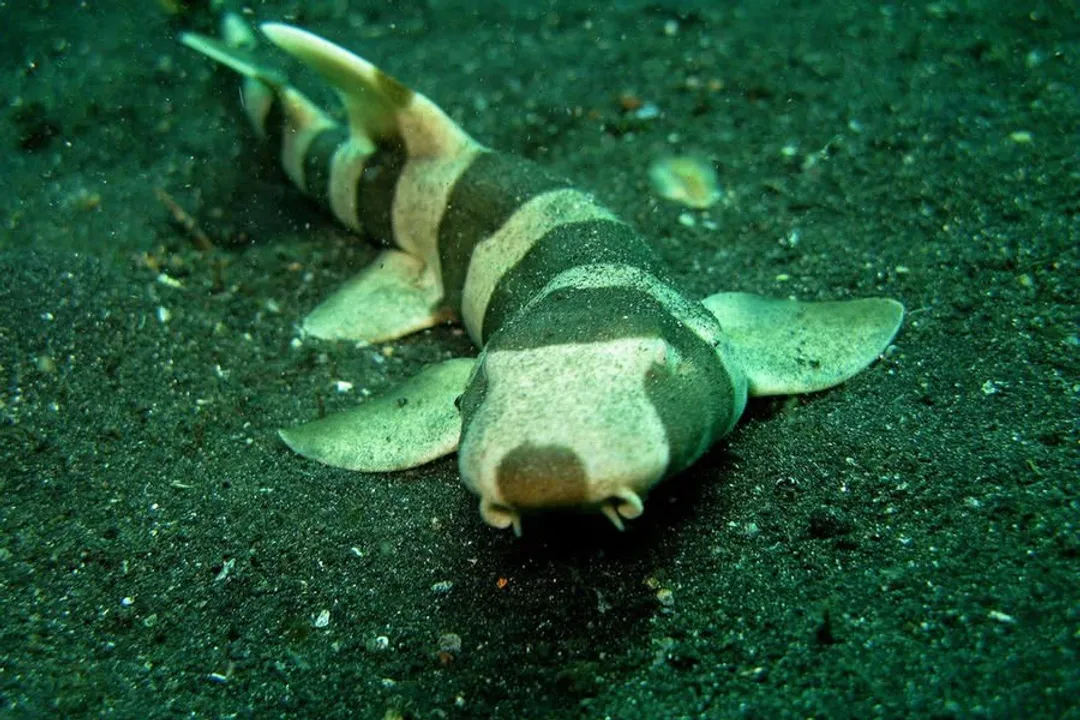
Bamboo sharks, often seen gracefully resting on sandy bottoms or maneuvering through coral structures in tropical waters, inspire curiosity about nearly every aspect of their biology, including the equipment they use for feeding. While the term "shark" frequently conjures visions of massive, serrated blades used for slicing through large prey, the reality for species within the Hemiscylliidae family is significantly more specialized. These smaller, bottom-dwelling sharks possess mouths equipped with teeth perfectly suited to their lifestyle, which primarily involves foraging on the reef floor.
# Dentition Details
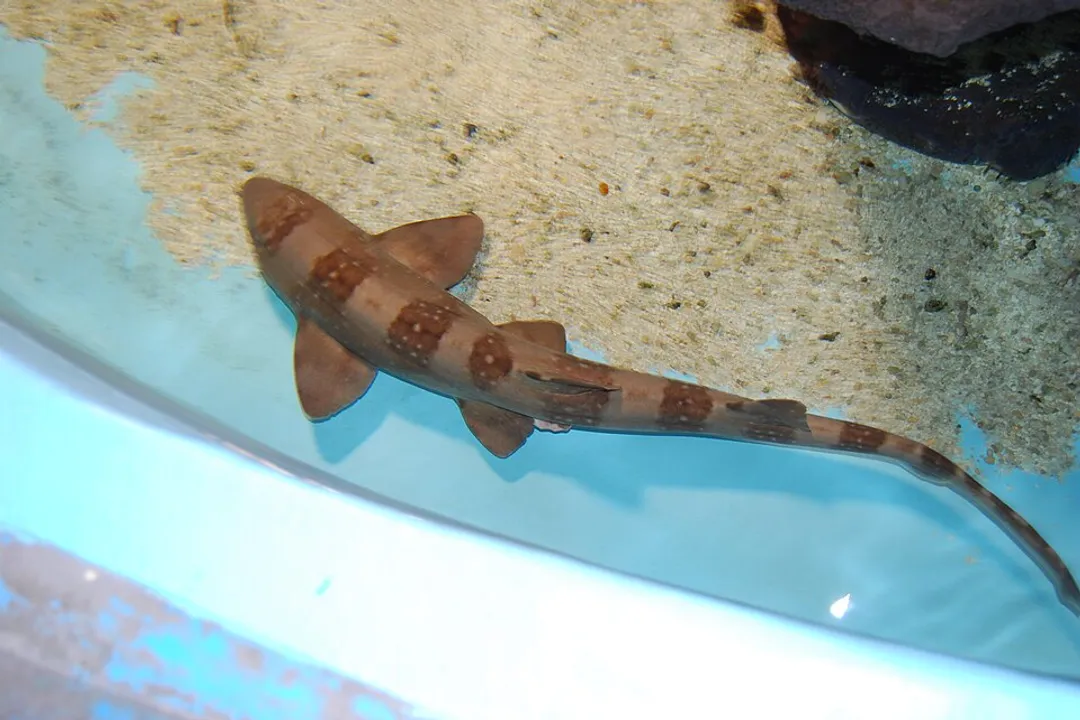
The most direct confirmation that bamboo sharks possess teeth comes from visual evidence and firsthand accounts, such as those shared by marine science centers. When observed closely, these sharks do indeed have teeth, but they are markedly different from the classic shark tooth model. Instead of large, triangular cutting tools, bamboo sharks are equipped with numerous small, pointed teeth that line their jaws.
These teeth are designed not for tearing flesh from large carcasses but for gripping and securing smaller, often slippery, or hard-shelled meals. The small structure suggests a function geared toward grasping benthic invertebrates and small fish that might otherwise easily escape a smooth-skinned predator. A study into the biomechanics of a spotted bamboo shark hints at the necessary adaptations in their mouth structure to interact effectively with their environment, which relies heavily on the function of these small dental components.
# Species Diversity
The term "bamboo shark" encompasses several different species, and while generalities apply, minor differences in dentition can exist across the genus. For example, the Whitespotted Bamboo Shark (Chiloscyllium plagiosum) is a well-known member of this group. Contrast this with the Brown-banded Bamboo Shark (Chiloscyllium punctatum), another common inhabitant of shallow Indo-Pacific waters. These species, along with others, are frequently discussed in enthusiast and scientific circles, often focusing on identification and natural behaviors.
While the general consensus supports the presence of small teeth across the board, specific tooth counts or slight variations in cusp shape likely exist between the Whitespotted, Brown-banded, and perhaps other less common species encountered in the wild or captivity. The shared characteristic across the family is the adaptation toward a diet favoring small, bottom-dwelling organisms, which dictates the need for grasping teeth rather than shearing ones.

# Feeding Mechanism
The role of the teeth is intrinsically linked to what bamboo sharks eat. Their preferred diet often includes small crustaceans, mollusks, and tiny reef fish. If you imagine a small shrimp or a crab hiding in the sand, the most effective method for a bottom-dweller to capture it involves a quick snap and a firm hold. This is precisely what the structure of the bamboo shark’s mouth facilitates.
If we consider the jaw mechanics—a relatively short snout and a mouth positioned ventrally (underneath the head) as opposed to terminally (at the very front)—the small, close-set teeth function less like shears and more like a field of tiny, stiff anchors when viewed under magnification. This arrangement minimizes the energy expenditure required to secure prey trying to burrow back into the sand or escape a quick suction feeding attempt, unlike the high-impact tearing motion required by pelagic sharks [Original Insight 1]. The teeth ensure the slippery or armored meal stays secured as the shark maneuvers it into the pharynx for swallowing whole or crushing.
# Tooth Turnover
Like nearly all sharks, bamboo sharks exhibit polyphyodonty, meaning they possess the remarkable biological trait of continuously replacing their teeth throughout their lives. This system ensures that as old or damaged teeth wear down from daily feeding, a new, sharp tooth is ready to move forward and take its place in the row. This continuous replacement process is a hallmark of elasmobranch biology, safeguarding the effectiveness of their feeding apparatus over many years. While the specific timeline for a Whitespotted Bamboo Shark to replace a full row might not be widely publicized, the underlying mechanism is standard for sharks.
For anyone keeping these fascinating creatures in an aquarium setting, understanding their dentition offers an actionable tip rooted in their oral structure: avoid feeding excessively large food items that might become lodged or damaged by the small teeth. Attempting to force large chunks of fish can lead to stress or mouth injury, as the shark's mouth structure is optimized for smaller, manageable bites secured by those multiple rows of grasping teeth [Original Insight 2]. Providing appropriately sized, small, whole prey items, like mysid shrimp or small pieces of marine fish, supports their natural feeding behaviors and maintains oral health.
# Habitat Context
The physical characteristics of the bamboo shark, including its small size (some species reaching only about two feet in length) and bottom-dwelling habits, explain why their teeth developed as they did. They live in areas where they encounter small, slower-moving prey that requires gripping rather than ripping. Their slender bodies allow them to navigate complex reef environments or shallow sandy areas where larger, more powerfully built sharks would struggle. This ecological niche directly shaped their dental evolution away from the apex predator stereotype. The presence of the small teeth confirms their role as specialized micro-predators within the reef ecosystem, efficiently extracting sustenance from sources that other, larger species might ignore.
Related Questions
#Citations
Whitespotted bamboo shark - Wikipedia
Brownbanded Bambooshark - Florida Museum of Natural History
Learn About Bamboo Sharks - Blue Zoo Aquarium
bamboo sharks feed on small fish and invertebrates ... - Facebook
Bamboo Shark Characteristics, Types & Reproduction - Study.com
Biomachanics of a spotted bamboo shark interesting article
Brown-banded Bamboo Shark - Save Our Sharks
Morphology and mechanics of the teeth and jaws of white-spotted ...