What is the best bird feeder for rose-breasted grosbeaks?
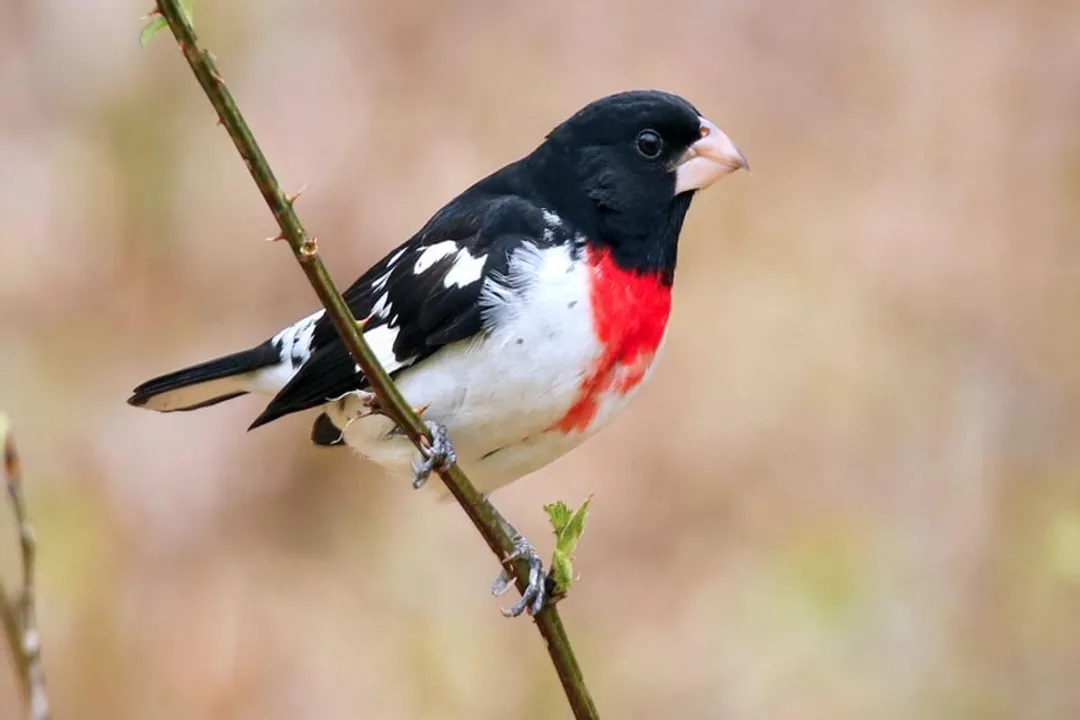
The arrival of the Rose-breasted Grosbeak—a flash of black, white, and stunning rose-red on the male—is often seen by dedicated birders as a definitive sign that spring has truly taken hold in the eastern half of the country. [7] These stocky, vibrant visitors, which spend summers breeding across the northeastern U.S. and eastern Canada before wintering south, [7] possess a noticeably large, thick, conical bill, [7] a feature that heavily dictates the type of feeder best suited for their dining habits. Understanding their preferences, from the seed they crack open to the platform they need to land on, is the key to making your backyard a welcoming stop on their migration route. [7]
# Bird Build
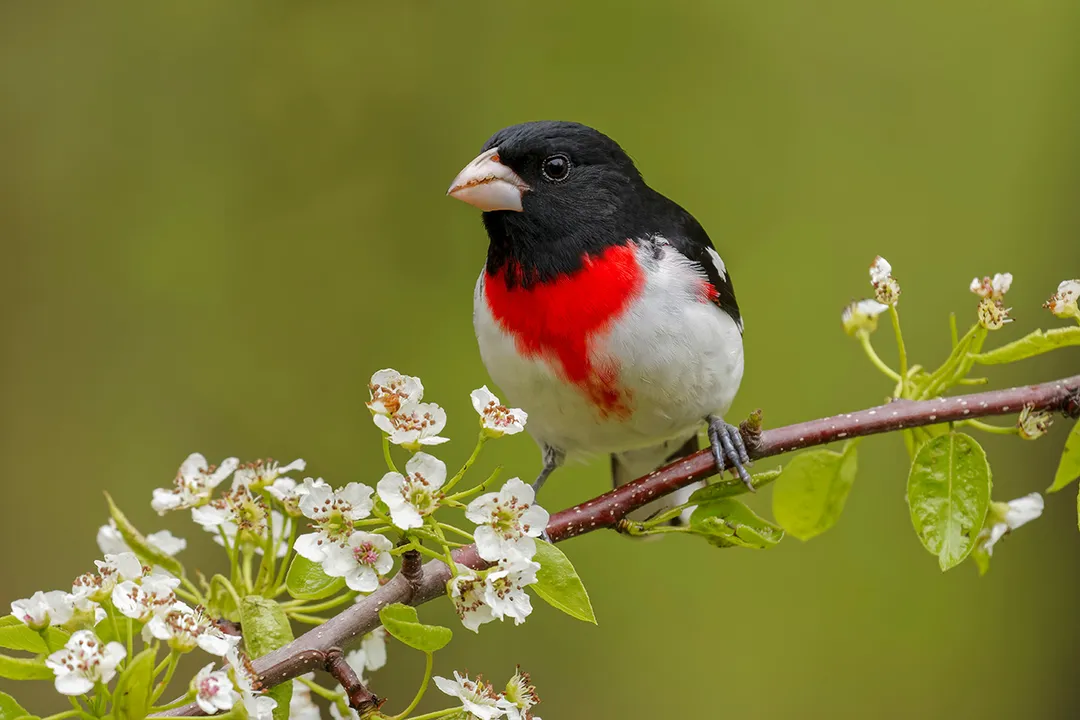
The physical characteristics of the Rose-breasted Grosbeak directly influence feeder design suitability. Males are unmistakable with their bright plumage, but females and immatures present a more muted, streaked brown and white appearance, though both share that heavy, thick bill. [7] This robust bill suggests a bird built for cracking hard shells. While their natural diet focuses on foraging for insects, seeds, and fruit within tree foliage, [7] they are adaptable visitors to well-stocked feeders. [1][7] Because they are stocky birds, [7] they need space and stability, meaning feeders that only accommodate small clinging birds are often passed over.
# Preferred Foods
Success in attracting these birds hinges less on the feeder structure and more on the contents of that feeder. The consensus among bird enthusiasts and experts is that certain seeds are irresistible to the grosbeak palate. [2]
Black oil sunflower seeds are a frequent recommendation and a known favorite. [1][2][7] If you notice that general bird seed mixes result in a lot of waste from untouched filler seeds, focusing solely on high-value items can be surprisingly economical. Though the upfront cost of premium seeds is higher, if a significant portion of that bag is consumed by your target species—the Grosbeak, in this case—instead of being discarded by other visitors, the overall seasonal expense for your desired clientele might actually decrease. [2]
Beyond the standard favorite, other high-energy options work wonderfully:
- Safflower Seeds: Another seed consistently recommended for them. [1]
- Peanuts: Raw peanuts are noted as an item they readily consume at feeders. [1]
- Sunflower Chips: Shelled seeds are often easier for them to process quickly. [2]
- Chopped Nuts: These provide necessary fats and proteins. [2]
While seeds form the bulk of the adult diet at feeders, they also appreciate natural offerings. If you want to keep them around longer, consider supplementing with fresh fruits like slices of apples, grapes, or oranges. [2] Interestingly, while adults favor seeds and berries, young grosbeaks are fed mostly insects by their parents to meet their higher protein needs for growth. [7] Offering suet might help attract the insects that sustain the local population, even if the adults focus on the seed. [2]
# Feeder Structure
The best feeder configuration for a Rose-breasted Grosbeak caters to its size and its preference for a stable landing area. They tend to shy away from delicate feeders designed for much smaller birds. [2]
# Tray Style
Open tray or platform feeders are highly recommended for attracting these handsome visitors. [7] These wide, flat surfaces give the stocky grosbeak a comfortable place to land, balance, and feed without struggling. [2] They also allow for a generous amount of food to be offered at once, which is ideal if you have multiple grosbeaks visiting. Retail examples often showcase tray feeders specifically within categories designated for Cardinals and Grosbeaks.
# Tube and Hopper
Hopper feeders, which dispense seed onto a tray or perch below, are also a reliable choice. [7] Some sources even suggest hopper feeders are preferred. [6] If you use a tube feeder, ensure it is a large tube feeder with substantial perches, as smaller, narrow perches may be difficult for them to manage comfortably. [7] Feeders that offer ample perching room overall are essential for these birds. [7]
# Specialized Trays
Interestingly, some birders have noted success with woodpecker suet feeders, suggesting that structure isn't always the most limiting factor if the food is desirable. [6] Furthermore, fruit feeding stations, often designed for orioles with orange halves, have been observed being happily used by visiting grosbeaks once they discover the offering. This suggests that feeders specifically designed to hold soft fruit, such as cup feeders or specialized fruit feeders, should not be overlooked if you are hoping to treat them.
When setting up your feeding station, consider the proximity of perches. Providing natural perches near the feeder gives the birds a safe vantage point to observe their surroundings before committing to landing and eating. [2]
# Placement Tactics
Beyond the seed and the feeder style, where you place the feeder influences whether a shy grosbeak will ever find it. Attracting these birds is about creating a welcoming, visible, and safe environment. [2]
The location should be easily seen from the air and surrounding cover. [2] Given that Rose-breasted Grosbeaks often prefer the edges of forests and woodlands, [1] placing feeders near trees or dense shrubbery offers them quick refuge if startled, increasing their confidence to visit regularly.
A critical, yet often secondary, consideration for any backyard birding effort is water. Rose-breasted Grosbeaks enjoy bathing and drinking. [2] A clean, fresh source of water, like a bird bath or a small fountain, can be just as effective as seed in drawing them to your yard. [2] Changing the water frequently is necessary to maintain cleanliness and appeal. [2]
# Seasonal Focus
Rose-breasted Grosbeaks are seasonal visitors throughout much of their range. [7] To maximize your chances of seeing them, focus your efforts heavily during their migration periods—spring arrival (around May) and fall departure. [7] They require the most energy during these intense travel times, [7] making well-stocked feeders during migration months particularly helpful. [7] Even if you are outside their usual summer range, keeping feeders available might yield a rare migratory stopover. [7]
To create the ideal Rose-breasted Grosbeak haven, a layered approach to feeding is most effective. It is worthwhile to establish a dedicated feeding zone that caters to their specific needs, especially during high-traffic migration weeks.
Here is a simple checklist to optimize your setup for their arrival:
- Seed Selection: Fill any platform or hopper feeders with Black Oil Sunflower Seeds or Safflower Seeds.
- Variety Addition: Place a dedicated feeder or dish containing raw peanuts or sunflower chips nearby.
- Perch Availability: Ensure there are sturdy, natural branches or nearby structures within 10-15 feet of the seed source.
- Fruit Station: Set up an orange or fruit feeder close to any existing Oriole feeders, as grosbeaks have been observed sharing these fruit resources.
- Water Check: Clean and refill your bird bath or water feature daily during warm weather.
By combining the right seed with a stable, open feeding structure, and ensuring fresh water is available, you respect the physical requirements of this large, beautiful finch relative. This dedication to providing preferred dining settings turns your yard from a mere passing spot into a memorable refueling station, rewarding you with their sweet, robin-like songs. [1][7]
#Videos
How to attract Rose-breasted Grosbeaks - Basic tips - YouTube
Related Questions
#Citations
Tips for Attracting Beautiful Rose-breasted Grosbeaks to ... - intoBirds
Rose-breasted Grosbeak Overview, All About Birds, Cornell Lab of ...
How can I attract Rose-Breasted Grosbeaks? : r/birding - Reddit
How to attract Rose-breasted Grosbeaks - Basic tips - YouTube
Identify and Attract a Rose-Breasted Grosbeak - Birds and Blooms
Cardinals & Grosbeaks - Kettle Moraine Woodworking Inc
Rose Breasted Grosbeak Question!!! | BirdForum