Why can't robins use bird feeders?
It is a common sight in many backyards: the bird feeder bustles with chickadees, finches, and titmice eagerly clinging to perches or swinging from specialized hanging stations, yet the familiar robin hops conspicuously on the lawn below, seemingly ignoring the bounty. The absence of the robin at these conventional feeding stations isn't due to shyness, though they can sometimes appear hesitant around busy, high-hanging setups. [9] The real reasons are deeply rooted in their physical anatomy and their evolutionary dietary blueprint.
# Foot Design
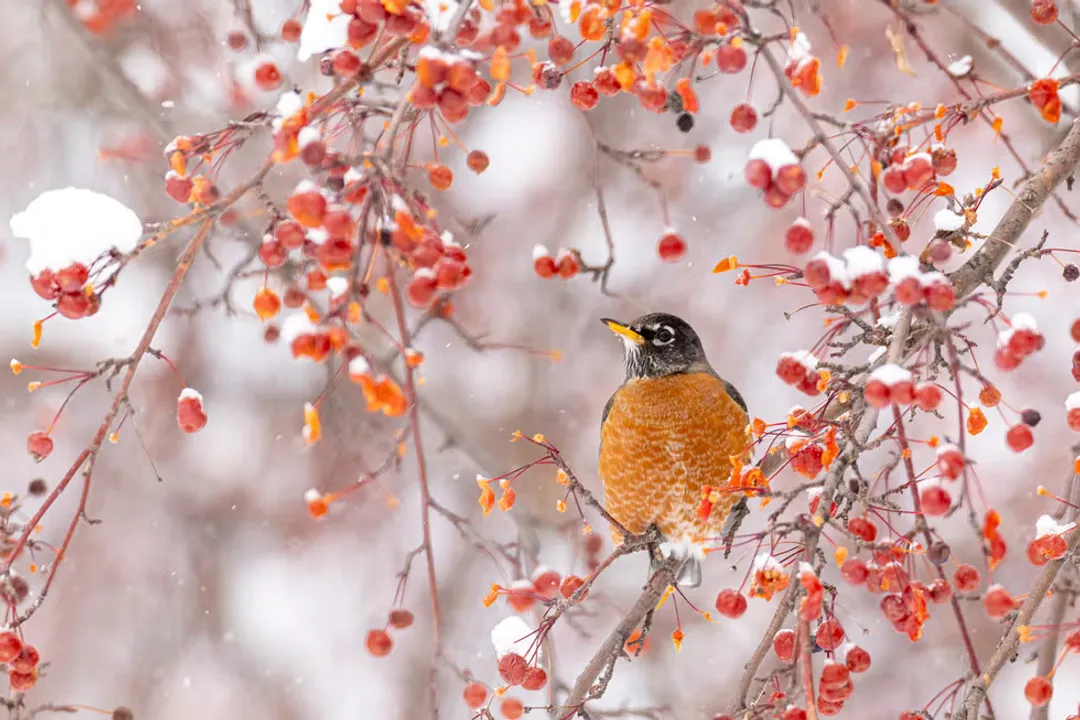
The primary mechanical barrier preventing robins from efficiently using most hanging or tube feeders is their foot structure. Robins, whether the American or European variety, are classified as perching birds rather than clinging birds. [2]
A bird designed to cling, such as a woodpecker or nuthatch, has specialized feet where the toes are arranged to grip and hang vertically onto rough surfaces, like the bark of a tree trunk. This anatomy allows them to balance securely while extracting seeds or insects from within crevices or off narrow hanging feeders. [2]
Robins, conversely, have feet optimized for standing and walking or hopping across the ground, which is their main foraging habitat. [2][7] Their toes are oriented differently—better for stability on a flat surface. When a robin attempts to perch on the thin, circular dowel of a standard tube feeder, they lack the necessary grip strength or anatomical configuration to hold on securely while eating. [2] They simply cannot hang comfortably or safely enough to sustain a long feeding session, especially when competing with birds better adapted to that specific apparatus. It is a matter of engineering; their feet are built for the soil, not for suspending themselves mid-air from a narrow rod. [2]
# Dietary Needs
Even if a robin could magically cling to a standard feeder, the seed offered often holds little appeal. Most popular commercial bird seed mixes—featuring sunflower seeds, millet, and cracked corn—are designed to attract seed-eating passerines, such as cardinals and finches. [6]
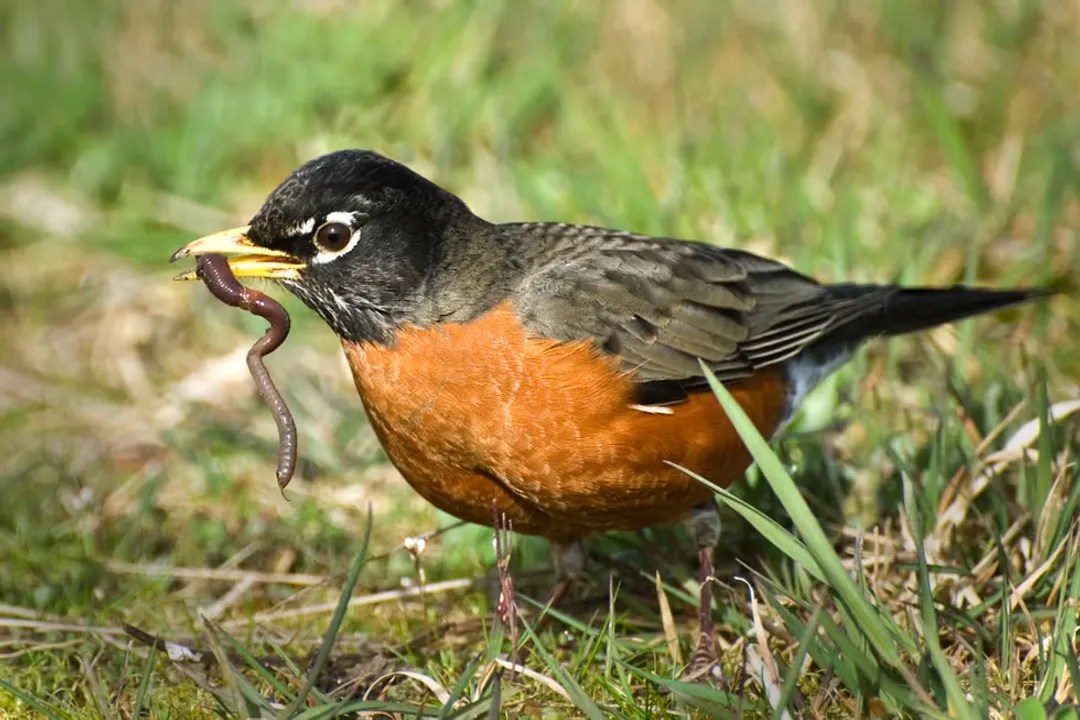
Robins have a dramatically different palate shaped by their primary natural diet. They are omnivores but lean heavily toward invertebrates and soft fruits. [7] Their natural menu centers on earthworms, insects, and ground-dwelling larvae, especially when nesting season demands high protein intake. [6][7] During non-breeding seasons or in colder months, they switch focus, consuming large quantities of berries and soft fruits. [7]
When a robin surveys a typical seed feeder, it sees none of its preferred food sources. Offering sunflower seeds to a robin is much like offering a plate of dry crackers to someone expecting a bowl of soup; the components are technically edible but completely miss the desired nutritional profile. [6] This difference in preference is a major factor distinguishing them from many other birds regularly found at feeders. [6]
# Feeding Style
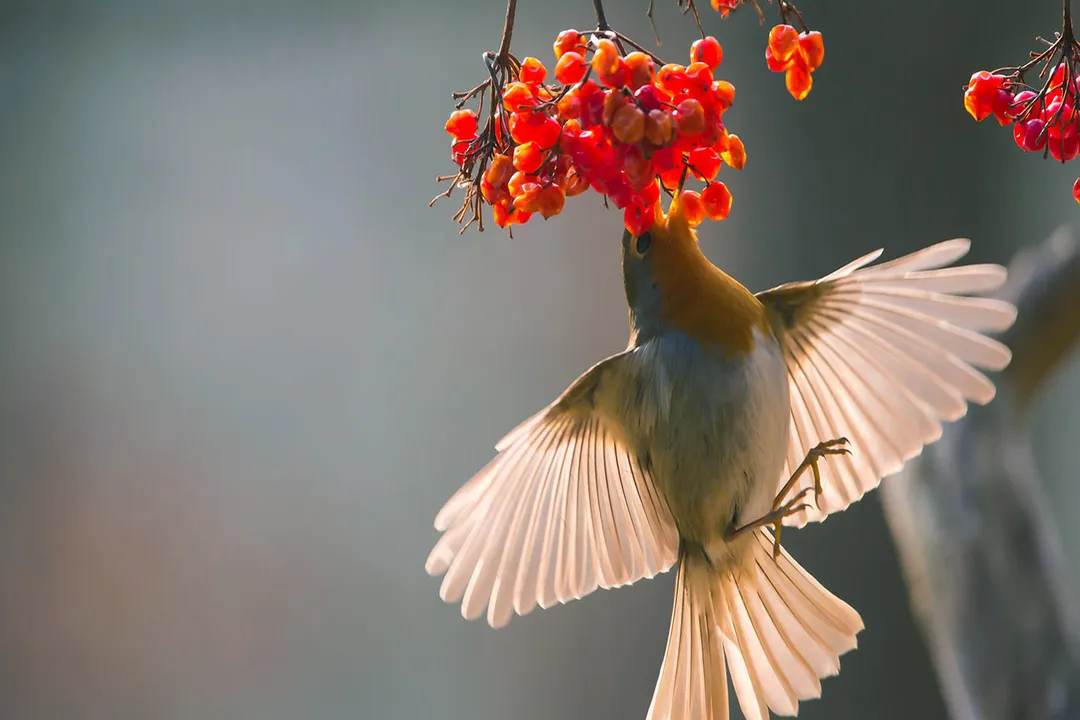
Beyond what they can eat and how they can hold on, robins have strong behavioral preferences for where they eat. They are predisposed to foraging low to the ground. [8] The act of spotting prey, darting down, snatching it, and consuming it quickly is ingrained behavior. [7]
This natural tendency explains why they gravitate toward lawns and open ground immediately adjacent to any food source. They are not naturally inclined to fly up to a high, hanging container suspended far from the ground or from sturdy cover. [3]
Even when presented with food they enjoy, such as dried fruit or suet pellets, if that food is placed in a traditional tube feeder, the robin is likely to pass it by in favor of looking for worms or dropped debris at the base of the structure. [5] They seek open sightlines, which standard hanging feeders often obstruct or require them to perch precariously over. [9]
This preference for ground-level dining means that for a robin, the best "feeder" is often just the bare, clean earth, or perhaps a patch of disturbed soil where they can easily spot their favored mealworms. [3]
# Attracting Robins
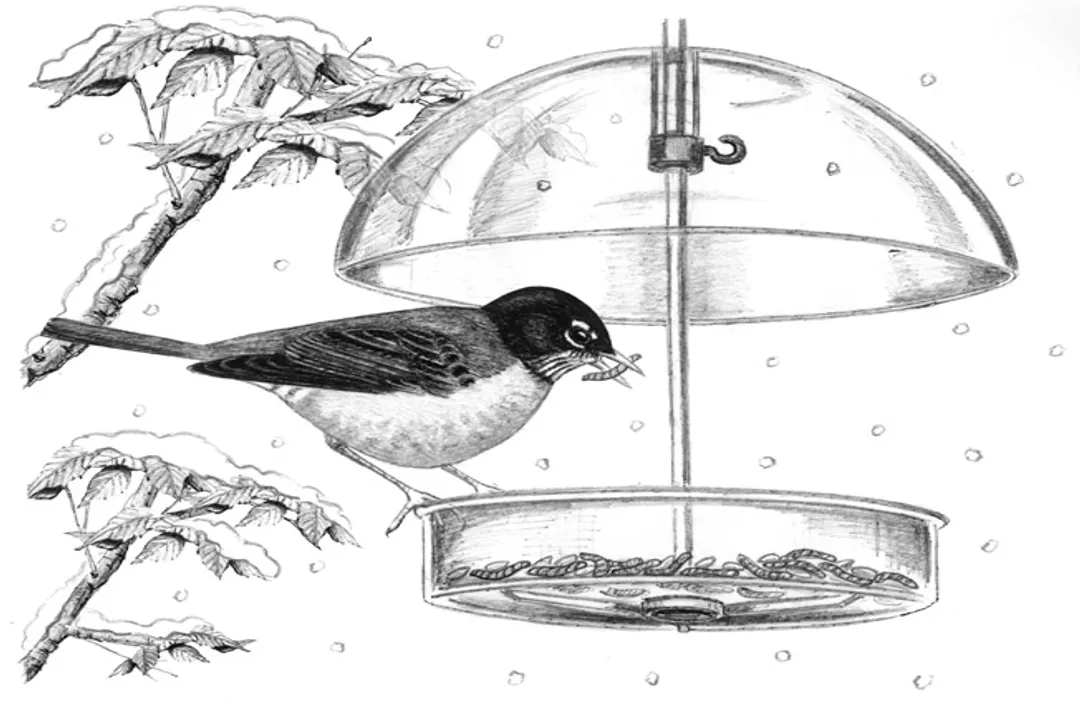
Understanding the robin's physical and dietary limitations allows bird enthusiasts to adapt their feeding stations specifically for them. The key is to abandon the hanging apparatus and focus on low, accessible, and appealing offerings. [5][8]
# Feeder Types
Forget the classic tube or hopper feeders. The most effective way to invite robins to your feeding area is by providing platform feeders or simply scattering food directly onto a clean, dry patch of ground. [3][8]
A platform feeder acts like a small, sturdy patio table for birds. It offers a wide, flat surface that perfectly accommodates a robin’s preferred standing posture. [5] Crucially, these platforms are usually placed on shepherd's hooks that are low enough, or on decks or posts where the bird can land easily and survey its surroundings before eating. [3] It mimics the stability of the ground but provides supplementary nutrition.
If you are using a platform, ensure it is cleaned regularly. Since robins often feed alongside other ground foragers like juncos or doves, uneaten wet food or droppings can quickly lead to mold or bacterial growth, which is more easily spread on a flat surface than within the confines of a tube. [3]
# Preferred Menus
Once the appropriate stage is set, the menu must match their palate. Standard seed mixes are usually a wasted effort. [6] The focus must shift to protein and fruit.
The absolute best attractor for robins is live or dried mealworms. [5][8] These mimic the worms they naturally hunt and are high in the necessary nutrients. If using dried mealworms, ensure they are fresh; sometimes, soaking dried mealworms briefly in water can make them more appealing, as birds often prefer food that resembles fresh prey. [8]
Another highly successful offering is suet. [5] However, avoid the hard, caged suet blocks designed for woodpeckers, as these also require significant clinging ability. Instead, look for soft fruit suet cakes or no-melt suet blends that can be placed directly on a platform feeder without needing to be inserted into a specialized cage. [5] Cherries, raisins, or pieces of cut-up apples or oranges can also be surprisingly effective attractants when placed on the platform, mimicking the fruit they consume in the wild. [3][7]
It is interesting to observe how different birds interact with these ground-level offerings. While a finch might hop awkwardly around a piece of orange peel, a robin will land decisively, perhaps tilting its head to eye the food before beginning to eat with confidence. This comfort level translates directly into consistent visitation, provided the food is right. [5][9]
# Consideration of Local Context
The specific food preferences can shift slightly based on your climate and the season. In early spring, when the ground is still frozen and worms are inaccessible, a high-quality, soft suet or fruit offering on a platform feeder can act as a vital bridge food, helping the robins conserve energy until they can resume their typical foraging routines. [7] Conversely, late summer fruit offerings might draw them in even when worms are plentiful, simply because the fruit is easier to obtain quickly without heavy digging. Pay attention to what your local bird population prioritizes in a tough spot—sometimes a mix of mealworms and finely chopped raisins on a deck railing is more successful than trying to convert them to sunflower seeds.
# The Shyness Factor
While anatomy and diet are the biggest hurdles, the style of feeder can still contribute to hesitancy. Robins are prey animals, and large, enclosed, or high-swinging feeders can trigger caution. [9] A feeder that sways significantly in the wind or one that requires landing on a narrow, unstable point will often be avoided, even if the food inside is acceptable. [9]
When providing platform feeding stations, position them away from dense shrubbery where a predator might lurk unseen, but also not completely out in the open where the robin feels exposed from above. A location with a clear flight path to a nearby tree or bush for quick refuge seems to encourage more confident feeding behavior. [3] The goal is to make the feeding spot feel safe, stable, and easy to approach—conditions that a typical hanging tube feeder rarely provides for a bird whose legs are designed for the earth.
Related Questions
#Citations
What's the deal with robins? : r/birdfeeding - Reddit
Why Robins can't cling | BirdForum
Why Robins Skip the Bird Feeder—And What to Do Instead
Is it normal for robins to eat from bird feeders? - Facebook
Robins Will Come To A Feeder - Bird Watcher's General Store
Why don't American Robins eat bird seed from the bird feeders?
What do Robins Eat? And What to Feed them - Woodland Trust
Attracting American Robins to Your Backyard
Why are robins shy of my bird feeder? - Mumsnet