What adaptive advantage allowed the ancestors of modern beaked birds to survive the ecological collapse?
Answer
They possessed metabolic adaptations and gizzards allowing subsistence on resilient foods like seeds and nuts.
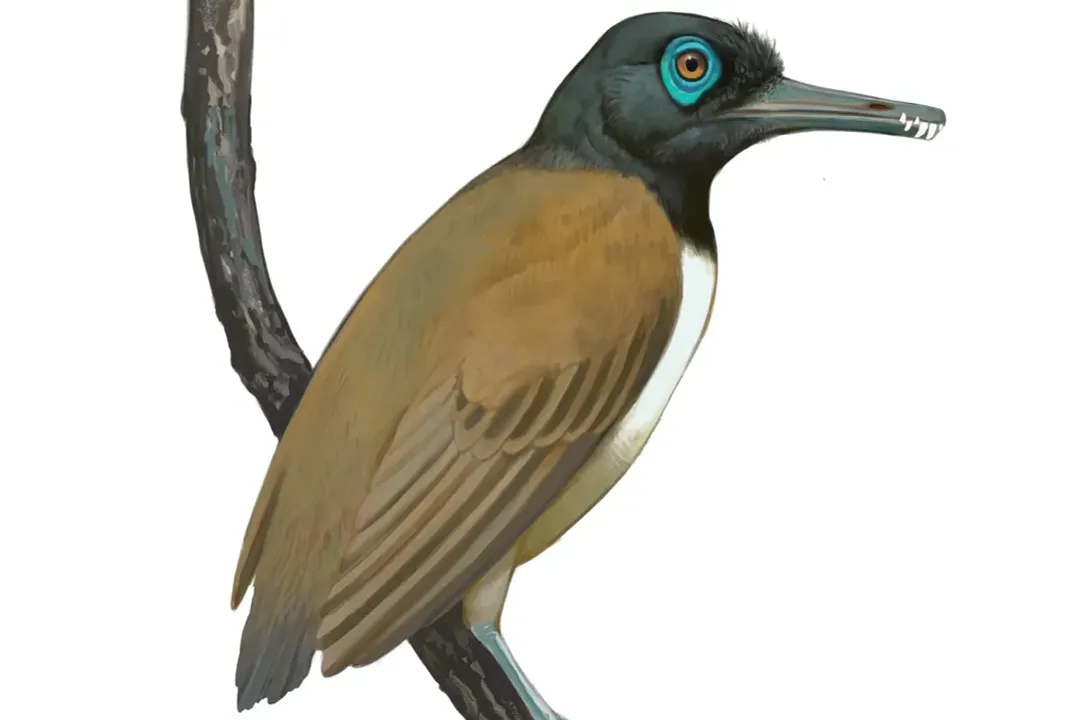
The key factor differentiating the successful lineage of modern bird ancestors from the extinct toothed forms was their superior adaptability in food acquisition following the planetary shock. While tooth-bearing species required volatile, freshly captured prey, the ancestors of modern birds had already evolved toothless beaks, gizzards, and related metabolic adaptations. These tools enabled them to efficiently process more resilient, stored resources, specifically mentioning seeds and nuts that could remain viable in the soil even after the collapse of photosynthetic life on the surface.
Related Questions
What reptilian characteristic did the earliest bird, *Archaeopteryx*, possess that modern birds lack?What type of prey did the Cretaceous marine bird *Hesperornis* specialize in catching in the shallow seas?What critical cranial function did most **enantiornithes** typically lack in contrast to later avian lineages?What surprising component of the diet of *Longipteryx chaoyangensis* was revealed by stomach content analysis?How robust was the tooth enamel thickness in *Longipteryx* compared to massive predators like *Allosaurus*?What characterizes the 'pseudoteeth' found on the massive Cenozoic **Pelagornithidae** birds?What flight specialization, utilized by modern albatrosses, did immense **Pelagornithidae** birds primarily rely upon?Why were Mesozoic toothed birds, like **enantiornithines** and *Hesperornis*, vulnerable during the impact winter?What adaptive advantage allowed the ancestors of modern beaked birds to survive the ecological collapse?What hypothesized dual function, beyond mashing food, might the robust teeth of *Longipteryx* have served?