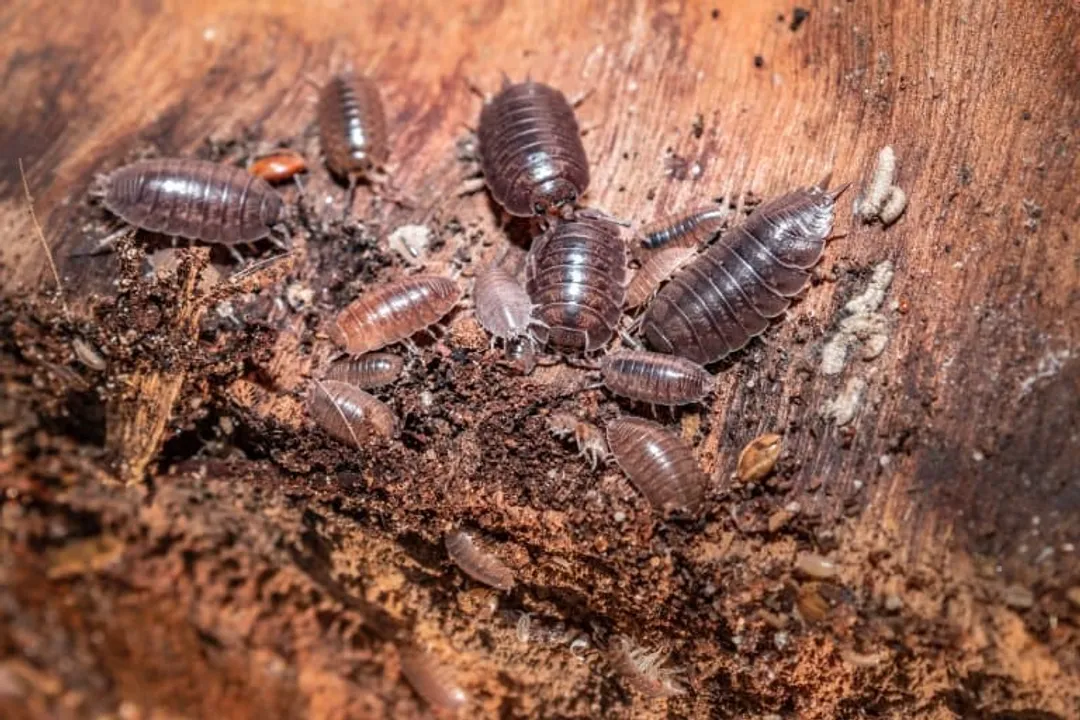
Why might woodlice serve as bioindicators in soil health studies?
Because they accumulate toxic heavy metals present in their environment
Woodlice contribute valuable data to environmental assessments because they function as effective bioindicators of pollution, particularly concerning heavy metals in soil. Like many marine crustaceans, woodlouse blood is copper-based, and they possess a dietary habit known as coprophagy—consuming their own feces—largely to recycle this copper efficiently. Because they ingest soil material as part of their detritivorous diet, they also inadvertently accumulate various toxic heavy metals present in the substrate. By analyzing the concentration of these specific metals within the woodlice tissue, scientists can gauge the level and extent of environmental contamination present in the local soil, making them useful sentinels for ecological health.