Approximately when is the initial colonization of land by woodlouse ancestors thought to have occurred?
Answer
During the Carboniferous period
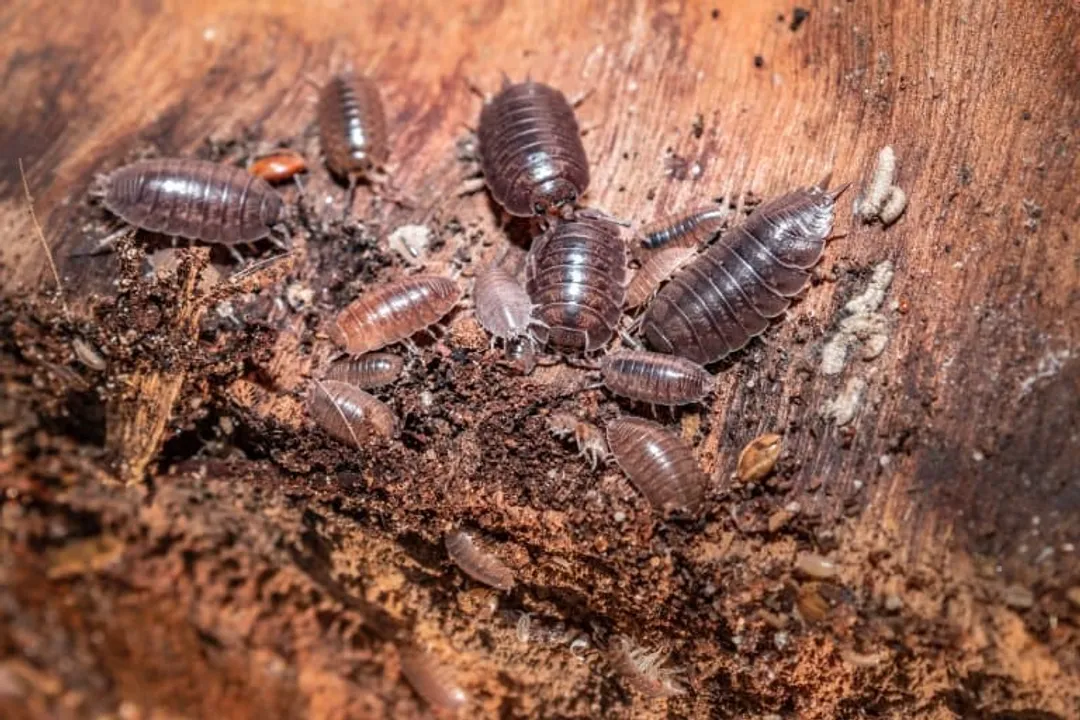
The evolutionary history of woodlice highlights a significant transition from marine life to full terrestrial existence. While the earliest known fossils date back to the mid-Cretaceous period, approximately 100 million years ago, scientific estimation places the actual initial colonization of land much earlier. This major evolutionary milestone is believed to have taken place around 300 million years ago, specifically during the extensive swamp forests of the Carboniferous period. This timeline establishes woodlice as part of a select, ancient lineage of crustaceans that successfully adapted to live and thrive entirely on land, differentiating them significantly from most modern crustaceans.
Related Questions
Woodlice are taxonomically closer relatives to which familiar animals than to insects?What specialized internal structures do woodlice possess due to lacking a waterproof waxy cuticle?How does the woodlouse molt process occur, setting it apart from many other arthropods?What colloquial name are woodlice known by in Devon, according to local surveys?What ecological role do woodlice primarily fulfill in terrestrial ecosystems regarding decaying organic matter?What specialized structure does the female woodlouse use to carry and nourish fertilized eggs?Approximately when is the initial colonization of land by woodlouse ancestors thought to have occurred?What defensive ability, exemplified by Armadillidium vulgare, reduces predator exposure and water loss?How many pairs of legs does a woodlouse possess compared to a pill millipede?Why might woodlice serve as bioindicators in soil health studies?