Why does the combination of limited range and fossorial life place *Bipes biporus* in a precarious conservation position?
Answer
Localized habitat changes can eliminate a breeding population without visible external signs
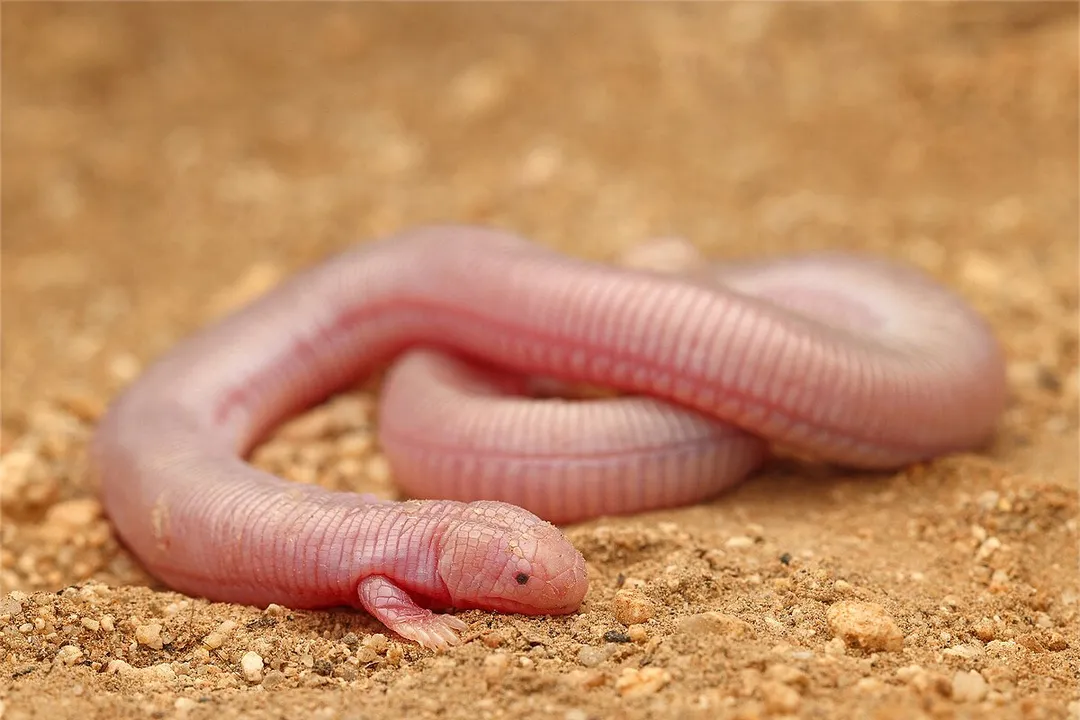
The creature's conservation status is magnified by the confluence of two major factors: its extremely limited endemic range in southern Baja California Sur and its subterranean, cryptic lifestyle. Because it lives entirely underground, subtle but destructive changes to the soil structure—such as erosion, changes in soil composition, or disruption from heavy machinery use—can eradicate local populations entirely. These localized eliminations might occur without any broader, easily observable environmental collapse visible on the desert surface, making early detection of threats exceptionally difficult.
#Videos
Bipes Aren't Coming for You | bioGraphic
Related Questions
To what specific geographic area is the entire *Bipes biporus* population naturally confined?What term describes the *Bipes biporus*'s lifestyle of spending the vast majority of its life beneath the ground?What primary food sources does the subterranean Mexican mole lizard seek in the soil?What specific body appendages does *Bipes biporus* possess in addition to its otherwise smooth, snake-like body?What does the status of *Bipes biporus* as an endemic species primarily signify about its range?What environmental characteristic defines the landscape where the Mexican mole lizard thrives?Why is observing the *Bipes biporus* above ground considered a rare occurrence?What is the primary functional role of the two spade-like forelimbs on *Bipes biporus*?What specific characteristic of the lizard's skin suggests its need to avoid direct sun exposure?Why does the combination of limited range and fossorial life place *Bipes biporus* in a precarious conservation position?