Where are ambrosia beetles found?
Ambrosia beetles, a remarkably diverse group of wood-boring insects belonging to the subfamily Scolytinae, inhabit a vast range across the globe wherever suitable woody material is present. These pests are defined not just by where they physically reside, but by the unique symbiotic relationship they maintain with specific fungi, known as ambrosia fungi, which they cultivate and consume within the tunnels they bore into wood. Understanding their location involves looking at both their general worldwide distribution and the more localized centers of activity, particularly those driven by invasive species.
# Worldwide Presence
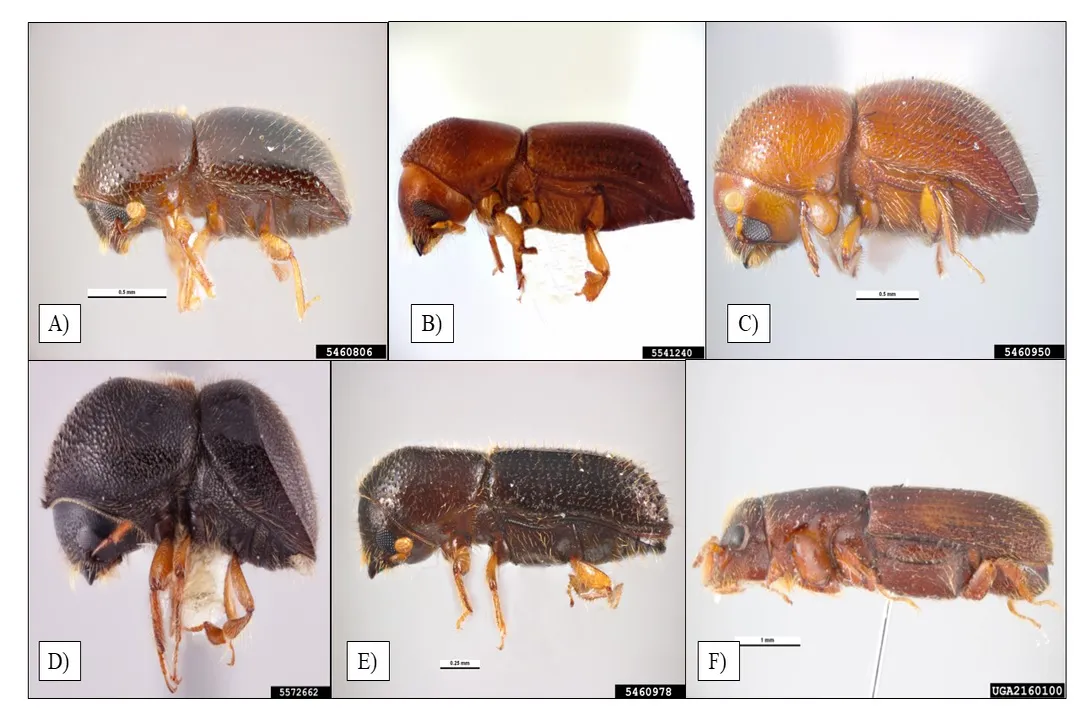
The distribution of ambrosia beetles is nearly cosmopolitan, meaning they are found across most of the planet. They thrive in environments ranging from tropical jungles to temperate forests. In essence, if a location supports woody plants, it likely harbors some species of ambrosia beetle.
However, this broad reach is not absolute. There are distinct geographical limitations. These beetles are generally absent from areas characterized by extreme environmental conditions, specifically the highest latitudes—places that are too cold for sustained activity—and regions that are excessively arid or dry. Their presence is intrinsically linked to the availability of their host material, which is typically stressed, dying, or recently cut wood, rather than the healthy, living wood preferred by many bark beetles.
It is important to recognize the sheer scale of this group. The Scolytinae subfamily is incredibly diverse, numbering thousands of species globally. This means that while a homeowner in a temperate northern climate might only encounter a few native species, a forester in a tropical region could easily encounter dozens, each with slightly different host preferences and life cycles. This massive diversity contributes to the challenge of tracking their collective range, as a species established in the Pacific Northwest might have no ecological connection to a species found only in Southeast Asia.
# Habitat Connection
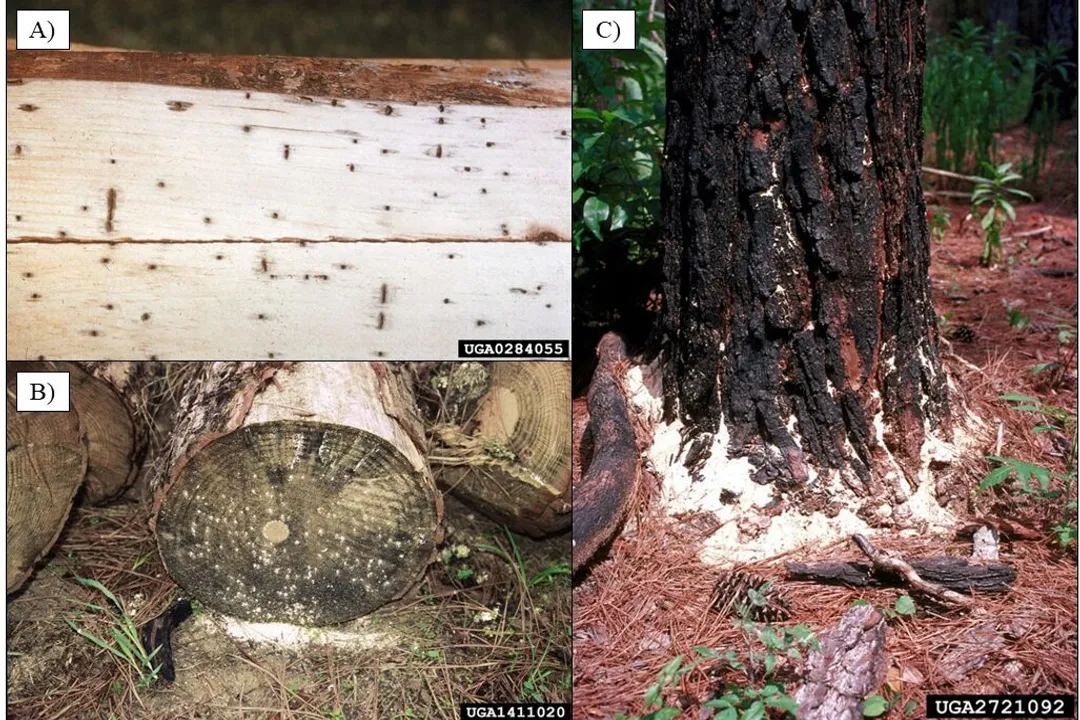
The question of where an ambrosia beetle is found often translates directly to what wood is available nearby. Unlike some pests that attack only live, healthy trees, ambrosia beetles are commonly associated with wood that is already stressed, recently dead, or seasoned, such as stumps, slash piles, or lumber. They tunnel past the bark and into the sapwood or heartwood, and it is within these galleries that the crucial ambrosia fungus grows, serving as their primary food source.
This characteristic places them in nearly every wooded landscape, from managed timber stands to urban environments where wood debris collects. For instance, a study of the distribution in the United States would reveal them present in regions with significant forest cover, but also in areas with high concentrations of wood products, such as sawmills or lumberyards, as freshly cut, unseasoned logs provide ideal breeding sites.
The specific kind of wood dictates which species is present. For example, one might observe that certain native species specialize in hardwoods like oak or maple, while others might favor conifers. Because their location is tied to the presence of host material, monitoring the health and activity within local forests or wood storage areas provides the most immediate answer to "where are they now?"
# Invasive Centers
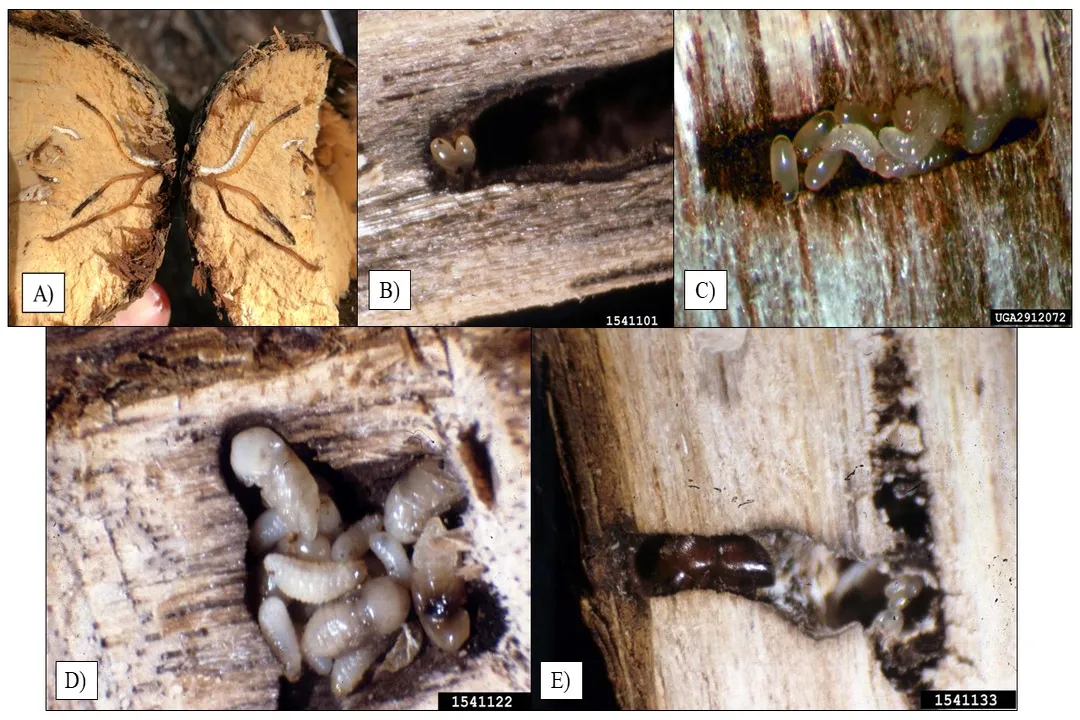
While native ambrosia beetles are widespread, the highest levels of concern and tracking often center on invasive species that have been introduced outside their native range, usually Asia or South America, into North America. These invasive species often arrive through international trade, usually concealed in untreated wood packaging materials, shipping crates, or solid wood packing materials.
The Granulate Ambrosia Beetle (GAB) (Xylosandrus crassiusculus) serves as a prime example of this concentrated threat area. GAB was first detected in the United States in Georgia around 2002. Since then, its distribution has expanded significantly throughout the southeastern United States. Its known range now encompasses states such as South Carolina, Georgia, Florida, and potentially others in the Gulf Coast region. This pattern highlights a critical point: invasive species establish themselves in specific areas where climate conditions match their native habitat and where detection might be slower, often centered around major ports of entry.
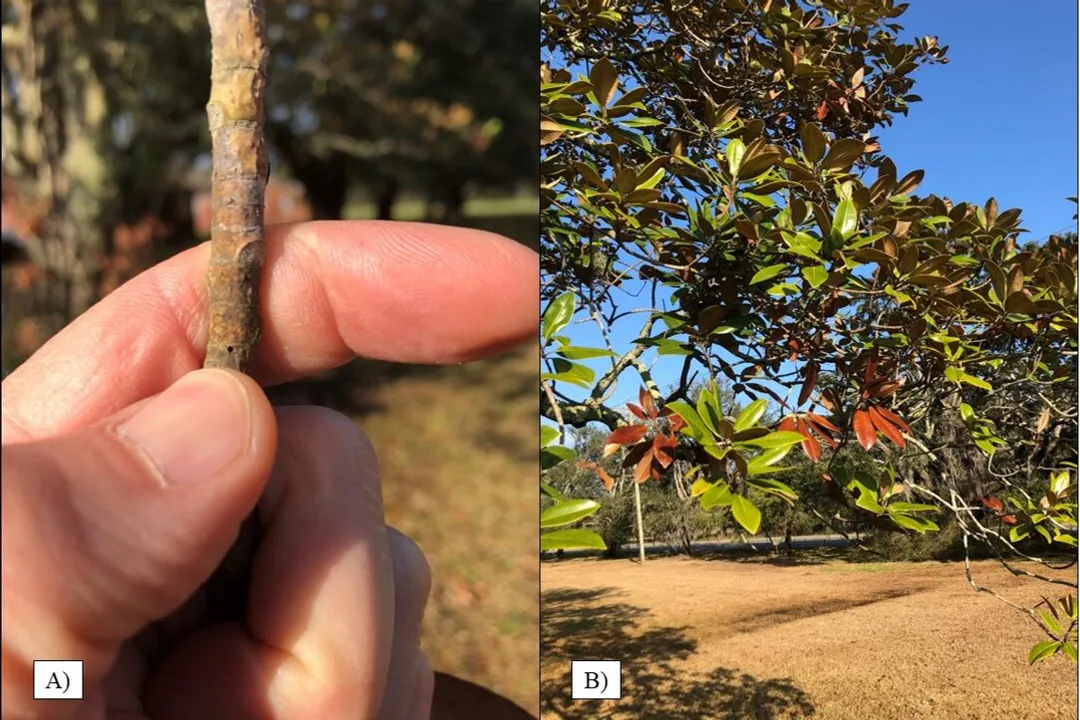
Another significant invasive example is the Redbay Ambrosia Beetle (RAB) (Xyleborus glabratus). This beetle’s introduction to the US, first noted in Georgia around 2002, is particularly devastating because it also introduces a lethal pathogen, the laurel wilt fungus. RAB is strongly associated with the southeastern US, with established populations documented from Texas eastward through Florida and up the Atlantic coast into South Carolina. Its distribution is dictated not only by climate but by the presence of its primary host, the Persea genus, which includes redbay trees.
When analyzing the locations of these invasive species, we see a pattern of establishment in warm, humid climates that mimic their origins, creating distinct, high-risk zones within a generally larger native range. If you are located in the Mid-Atlantic or Northeast, the immediate threat from these specific invasive pests might be lower, but the general threat from native species remains.
# Regional Comparison and Analysis
It is fascinating to compare the general, broad global distribution with the highly specific, localized danger zones created by invasive pests. On a global map, ambrosia beetles cover most landmasses. However, for an arborist or homeowner in a specific state like North Carolina, the relevant information isn't that they exist everywhere; it’s whether the specific, highly damaging GAB or RAB is present in their county. This localized knowledge is essential because management strategies differ significantly between native and invasive species, especially when an invasive species, like RAB, carries a fatal associated disease.
Here is a quick look at how the known distribution points cluster geographically in the US context:
| Species Type | General Geographic Area | Key Habitat Feature | Primary Concern |
|---|---|---|---|
| Native Species | Found across North America wherever trees are present | Stressed or dead hardwoods/softwoods | Aesthetic damage, lumber staining |
| Invasive GAB | Southeastern US (e.g., GA, SC, FL) | Nursery stock, ornamental trees | Rapid population increase, girdling/death of trees |
| Invasive RAB | Southeastern US (e.g., TX, GA, FL, SC) | Redbay, Sassafras, Avocado trees | Introduction of laurel wilt fungus |
This comparative view shows that while the beetle type is global, the risk is highly regionalized based on invasive introductions. The very factors that allow these beetles to spread globally—their small size, ability to travel in wood products, and association with decaying material—also make strict containment in any single area nearly impossible once established.
# Actionable Local Focus
For property owners or those dealing with wood products, the knowledge of where ambrosia beetles are found should translate into specific inspection protocols related to when wood is most vulnerable. Since these beetles are attracted to recently cut wood, the location of greatest risk isn't necessarily the mature forest, but rather areas where new wood is introduced or stored.
If you live in an area known to have established invasive populations, such as the Southeast, inspecting incoming nursery stock or firewood is critical. An insight here is understanding that the tiny, round exit holes are often the first clear sign of infestation, and these are most likely to appear on wood that has been stacked or stored for a few weeks to a few months after being harvested, rather than on standing trees. Therefore, the location of the problem shifts from the forest to the storage yard or property boundary where that wood is brought. Actively managing wood debris—by removing slash piles promptly or ensuring firewood is properly seasoned far from structures—is a tangible action based directly on knowing their habitat preference. In regions where native species are the primary concern, focusing on improving the overall vigor of landscape trees can reduce the likelihood of a population boom, as healthy trees are less attractive targets.
Related Questions
#Citations
Ambrosia Beetles | Resources - Bartlett Tree Experts
Ambrosia beetle - Wikipedia
Ambrosia Beetle Biology, Impact, and Management | Land-Grant Press
[PDF] TACF Fact Sheet - Asian Ambrosia Beetles
How to identify and get rid of ambrosia beetles - Pestie
Granulate Ambrosia Beetle: A Threat to Ornamental Trees - UC IPM
Granulate (Asian) Ambrosia Beetle - NC State Extension Publications
Diversity - Ambrosia Symbiosis
Redbay Ambrosia Beetle - Texas A&M Forest Service