Where are Kermode bears found?
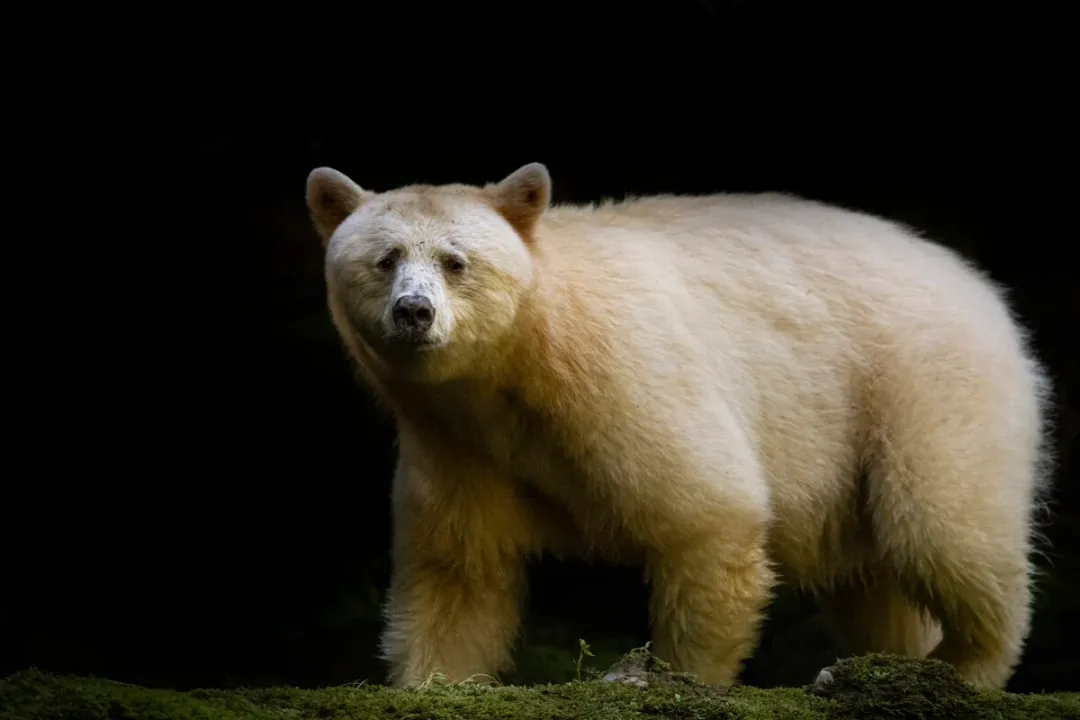
The sight of a white bear roaming the temperate rainforests of North America is an image that seems almost mythical, instantly conjuring images of the Arctic wilderness. Yet, this unique animal, known as the Kermode bear or spirit bear, resides not in the far north, but in a surprisingly temperate and lush corner of Canada. Pinpointing their precise home requires looking specifically to the western edge of the Canadian landscape, where dense, moss-draped trees meet the Pacific Ocean.
# Identity and Rarity
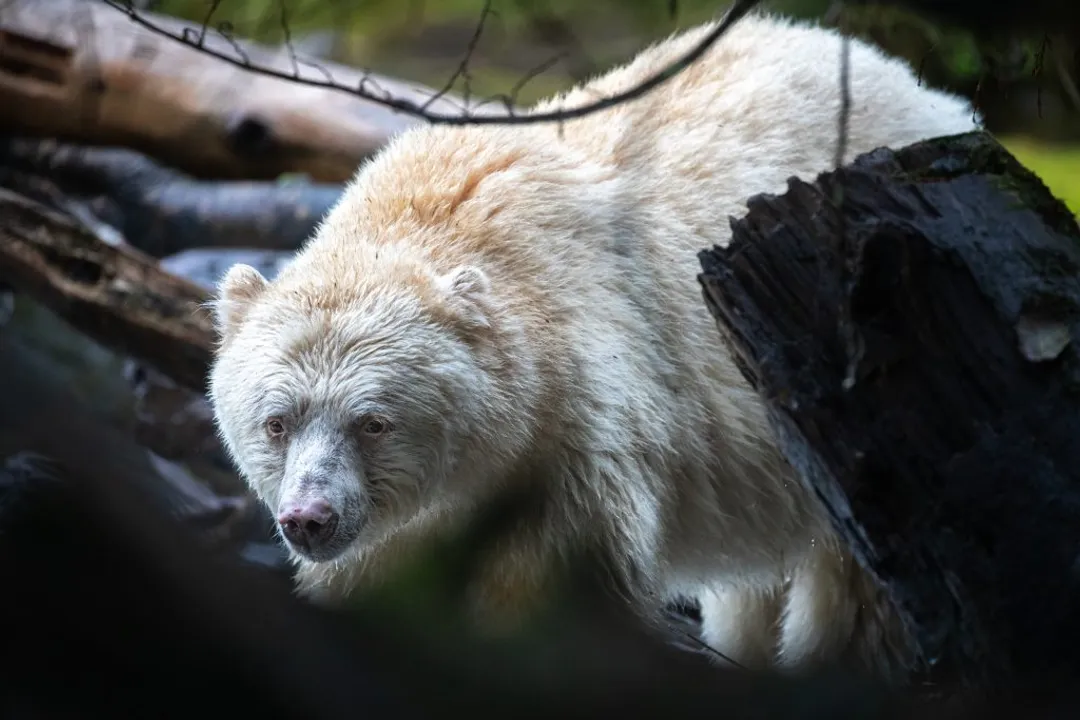
The animal in question is scientifically categorized as a subspecies of the American black bear (Ursus americanus kermodei). Despite their striking, pale coat—ranging from creamy white to yellowish—they are not albinos nor are they polar bears. Their distinctive coloration stems from a recessive gene carried by both black and white-phased black bears. For a cub to inherit this white coat, both parents must carry this specific double recessive allele. This genetic phenomenon means that white bears can, and often do, be born in the same litter as completely black cubs. It is estimated that only about 10% of the population within their restricted range displays this white coloration. This rarity, coupled with their localized existence, contributes significantly to their cultural significance and the fascination they hold for researchers and travelers alike.
# Geographic Range
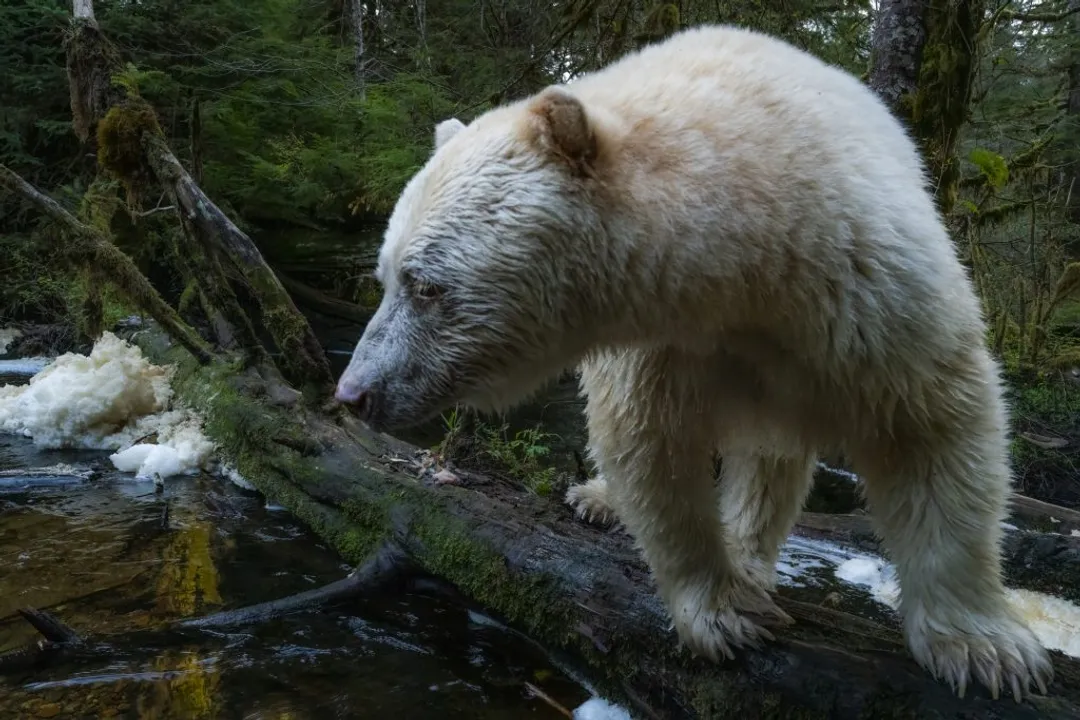
The known distribution of the Kermode bear is remarkably small for a mammal of its size, which is a key factor in its conservation status. Their entire existence is confined to a specific stretch of the Central and North Coast of British Columbia (BC), Canada. This region is defined by its proximity to the ocean, characterized by fjords, islands, and vast expanses of old-growth forest. The Kermode bear’s habitat is essentially an ecological island, geographically isolated in the coastal mountains. This isolation has allowed their unique genetic trait to persist and become concentrated within this specific population group.
While the broader area is often generalized as the Great Bear Rainforest, the bears themselves occupy only a fraction of this expansive ecosystem. The Great Bear Rainforest itself is one of the world's largest remaining intact temperate rainforests, but the Kermode bears are concentrated within its central and northern sectors. Their range stretches generally from Princess Royal Island northward along the coast. The fact that this entire subspecies is restricted to a relatively small geographical area within a single province underscores the importance of preserving that specific environment. When considering the vastness of North America, the area where you might successfully spot one is incredibly narrow.

# Habitat Concentration
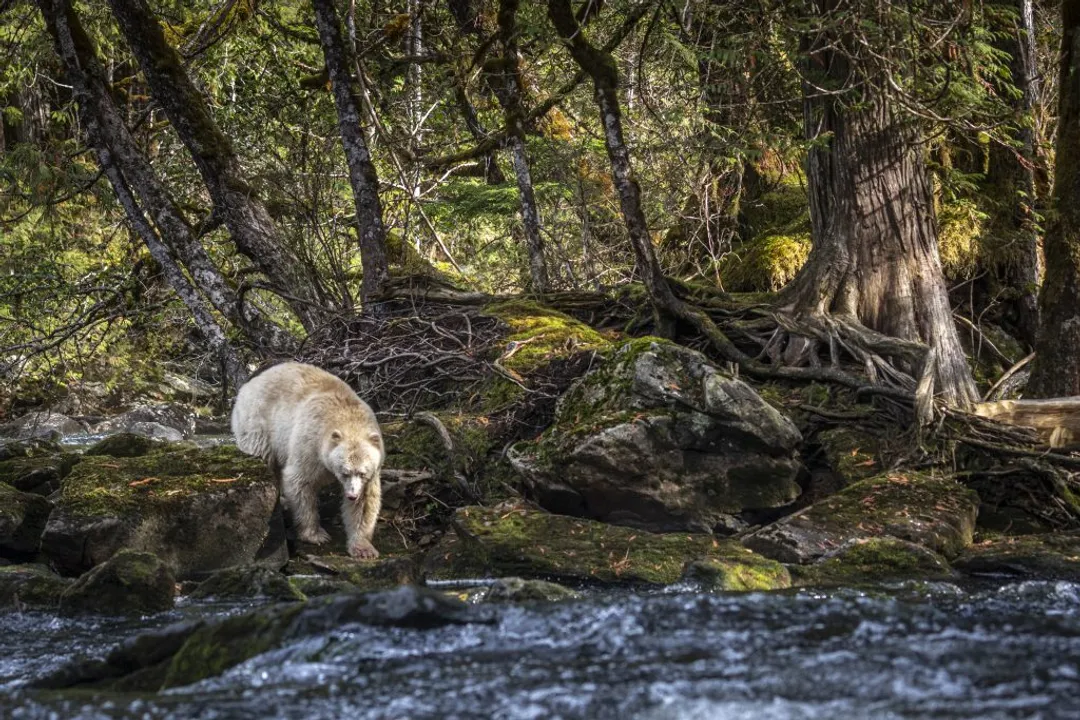
Delving deeper into the specifics of their BC home reveals several key islands and mainland areas that host the highest densities of these pale bears. The ecological corridor where they are most frequently observed includes Princess Royal Island and Gribbell Island. The settlement of Sorleine is also mentioned as a location central to their known territory. These areas, part of the mainland and over 250 surrounding islands, form the core of the Kermode bear's occupied territory.
This seemingly small area is ecologically rich. The rainforest environment provides the necessary cover and resources for the bears to thrive. Unlike their color, which offers no obvious benefit or hindrance in hunting salmon—as the fish are colorblind to the white coat—it is the structure of the habitat that is non-negotiable for their survival. The dense forest cover, the cold, clean rivers, and the specific coastal weather patterns define their niche.
It is interesting to note that while the Ursus americanus kermodei subspecies exists across this range, the white morph itself is often more strongly associated with the islands, particularly those near the Johnstone Strait area, even though they also inhabit the mainland. The density of the white bears is not uniform; the greatest concentrations are tied directly to the productivity of their food sources within these specific island and inlet systems.
If one were mapping this territory, they would be drawing a line that generally follows the coastlines and major river systems extending inland only as far as the immediate coastal mountains, before the habitat becomes less suitable or the population transitions entirely to the more common black-phased individuals.
# Ecological Niche
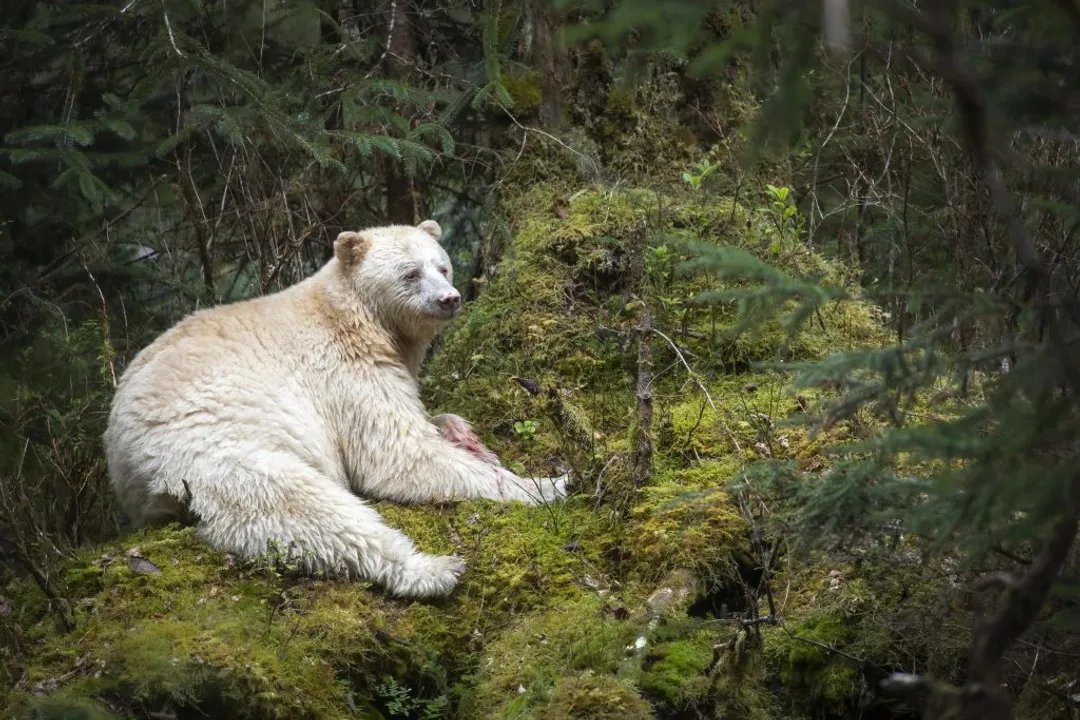
Understanding where the Kermode bear lives is incomplete without understanding why that specific location is essential to its life cycle. The primary reason this particular subspecies has survived in this location is its access to abundant marine resources.
The life of a Kermode bear is critically dependent on the seasonal salmon runs. During late summer and autumn, as salmon migrate upstream to spawn, they provide an essential, high-fat food source that the bears gorge on to build up reserves for their winter hibernation. This diet is crucial for surviving the lean winter months when food is scarce. The health of the Kermode bear population is therefore inextricably linked to the health of these specific salmon spawning streams found throughout their coastal habitat.
Considering the nutritional load required for hibernation, the bears must spend a significant portion of their active season maximizing caloric intake from these salmon runs. This reliance creates a unique ecological pressure: if the salmon runs fail in a specific inlet or on a particular island, the local Kermode bear population faces severe challenges, potentially forcing them to rely more heavily on terrestrial food sources like berries or small mammals, which are less calorically dense. This ecological dependency acts as a natural limiter on how far their range can practically extend, even if the geography could support a black bear. This tight co-dependency between the white bear and the salmon of the Great Bear Rainforest is a powerful illustration of how specialized a localized species can become.
# Access and Observation
For those interested in seeing this rare animal in its natural setting, the location dictates the effort required. Since the Kermode bear's habitat is remote and largely untouched by development, viewing them is not a casual activity but an intentional expedition. Access is typically gained through specialized guided tours operating out of gateway communities in BC.
These tours often focus on placing visitors discreetly near known salmon-bearing rivers during the peak spawning season, which provides the highest chance of an observation. Because the bears are wild, elusive, and their white coats offer no camouflage advantage for hunting, patience is required. The entire area is characterized by its remoteness, meaning travel often involves floatplanes or specialized boat charters navigating the intricate network of channels and islands that make up their home range.
When planning a trip to witness the Kermode bear, understanding the timing is as important as knowing the location. The best time aligns with the salmon runs, usually late summer through early fall, before the heavy snows drive the bears deep into their dens for winter sleep. Because the population is concentrated and the area is environmentally sensitive, responsible tourism emphasizes minimal impact viewing practices, respecting the animals' space and habitat integrity. The high value placed on these wildlife encounters directly supports the conservation efforts protecting their extremely limited geographic home. This interdependence between responsible tourism dollars and habitat protection is a defining feature of visiting the Kermode bear's territory.
# Habitat Significance
The concentration of the Kermode bear in this specific, relatively small area of British Columbia highlights a broader truth about biodiversity hotspots: sometimes, rarity is defined by extreme localization rather than broad distribution. While the broader Great Bear Rainforest is globally important, the Kermode bear defines a micro-region within it.
An interesting comparison can be drawn here: many large mammal species have ranges that span multiple countries or vast continental sections. The Kermode bear’s range, however, could theoretically fit within the borders of many major metropolitan areas. This forces conservation efforts to be hyper-focused, treating the entire inhabited area—from the highest slope where a bear might den to the lowest tidal flat where it might forage—as a single, irreplaceable unit. Unlike a species that spans the continent, where a localized failure might be buffered by large populations elsewhere, a major disruption in the salmon stocks or logging activity across Gribbell Island, for instance, could have an outsized impact on the overall subspecies survival.
This extreme habitat specificity also means that human activity, such as resource extraction or pollution, poses a magnified threat. The genetic isolation that preserved the white coat over millennia also makes the population vulnerable to habitat fragmentation today. Protecting the Kermode bear means protecting the entire network of rivers, forests, and shorelines within that defined coastal band of BC.
In essence, the answer to "Where are Kermode bears found?" is not just a pin on a map in British Columbia; it is an entire, interconnected ecosystem, defined by cool, wet climate, towering conifers, and the annual return of salmon, all existing within a narrow band along Canada's Pacific edge.
The density of information available about their specific island strongholds suggests that understanding their location is vital for their continued protection. The fact that conservation groups and local operators can focus their efforts so precisely on areas like Princess Royal Island and Gribbell Island is a direct result of the detailed, albeit limited, knowledge of their core range. This focus is a pragmatic approach to protecting a species whose entire world fits into a few thousand square kilometers of rugged coastline.
Related Questions
#Citations
Spirit bear - Wikipedia
What is a Spirit Bear? - North American Bear Center
Spirit Bear Lodge
Spirit bear guide: where they live, what they eat - and why they're white
Kermode bear sightings in New Hazelton, BC - Facebook
Animal Facts: Kermode (spirit) bear | Canadian Geographic
Searching for the elusive Kermode bear in the Great Bear Rainforest
Discover the Haunting Beauty of BC's Spirit Bears
❄️ Kermode bears are a subspecies of the American ... - Instagram
A mum and her little ones. Spirit bears (or Kermode bears) are black ...