Where has Tarbosaurus been found?
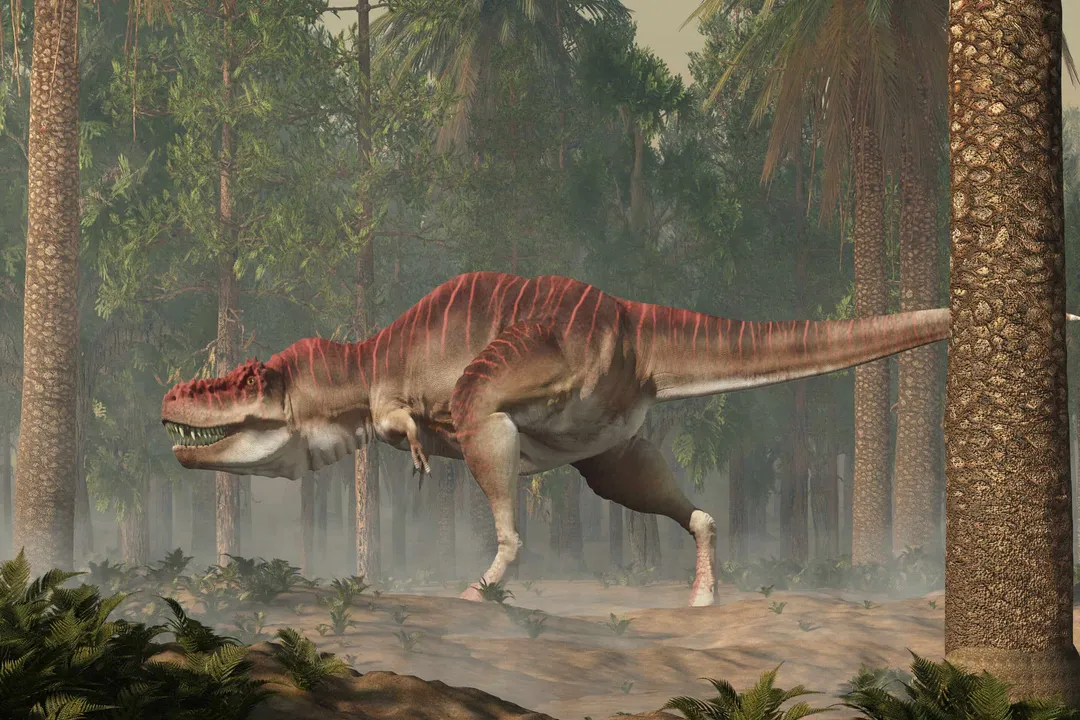
The story of where Tarbosaurus roamed is remarkably concise, pointing researchers to a very specific corner of the ancient world. Unlike some famous dinosaurs whose remains are scattered across continents, the fossil evidence for Tarbosaurus bataar places it firmly in one primary geographic area during the final stages of the age of dinosaurs. [1][6] This restriction has made it an exceptional subject for paleontologists studying the last large tyrannosaurs to evolve before the mass extinction event. [1]
# Asian Locality
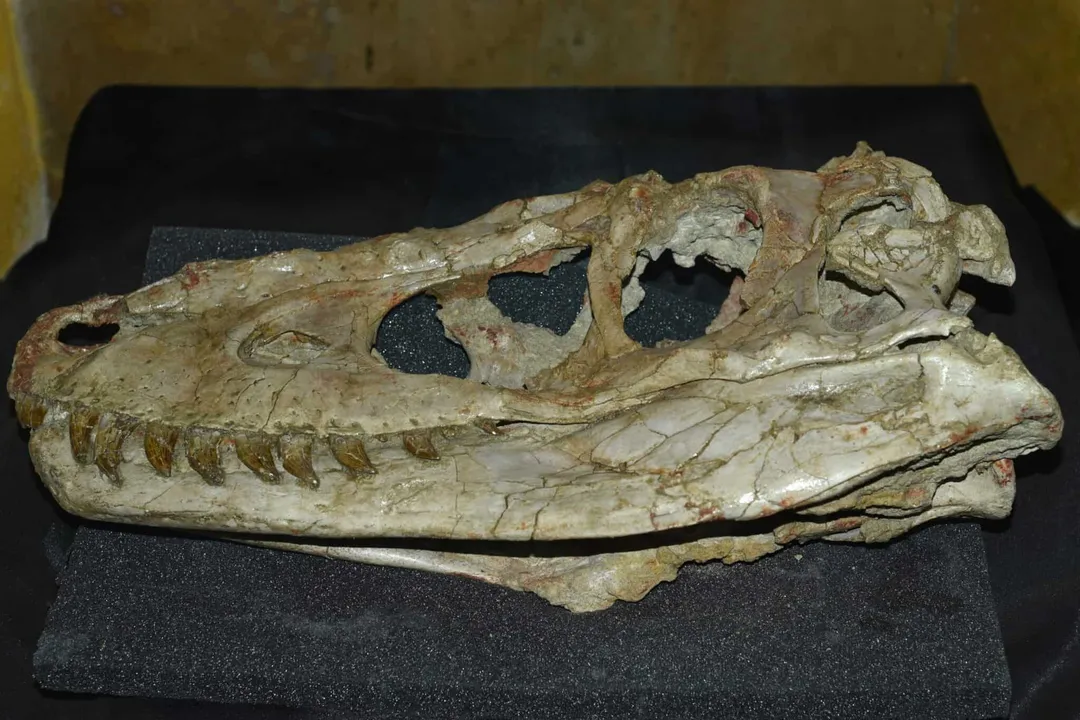
The known geographic range for Tarbosaurus is confined to Asia. [2][6] More precisely, nearly every significant discovery of this large theropod has originated from the country of Mongolia. [1][3][6] This creature represents a dominant apex predator unique to that region during its time. [7] While other large tyrannosaurids like Tyrannosaurus rex had a wider distribution across western North America, the fossil record currently constrains Tarbosaurus entirely within Mongolian territory. [1][8] This localized presence is a fascinating contrast to its slightly later, massive cousin across the Bering Strait. When we consider the vastness of the Late Cretaceous world, having such a dominant predator restricted to a relatively smaller area offers a unique window into specific regional paleoecology. [1]
# Nemegt Strata
The specific geological layer yielding these spectacular finds is known as the Nemegt Formation. [1][2][7] This formation is a crucial marker for Late Cretaceous life in Asia, representing ancient floodplain and riverine environments that existed around 70 million years ago. [1] Virtually all known specimens, from juvenile remains to the massive adults, have been excavated from these rich sedimentary deposits found in the Gobi Desert region of Mongolia. [2][7]
The Nemegt Formation is important because it preserves an entire ecosystem. The environment that the "alarming lizard"—the literal meaning of its name—inhabited was likely wet and warm, characterized by broad river systems flowing across the land. [4] Discoveries here aren't limited to the massive carnivore; the same geological matrix often yields the bones of its prey, such as the long-necked sauropods like Nemegtosaurus, and other contemporary dinosaurs, providing a complete picture of its habitat. [1] The sheer density and quality of preservation within the Nemegt Formation mean that Tarbosaurus is one of the best-understood, albeit geographically limited, tyrannosaurs available to science. [7]

# Cretaceous Timing
The temporal placement of these finds is as crucial as the location. Tarbosaurus bataar lived during the Late Cretaceous period. [3][6] Specifically, the Nemegt Formation dates to the Maastrichtian stage, meaning Tarbosaurus was alive only a few million years before the K-Pg extinction event that ended the reign of the dinosaurs. [1] Estimates place its existence at approximately 70 million years ago. [1]
This timing is significant because it establishes Tarbosaurus as a contemporary of the final North American dinosaurs, even though they lived on different continents. [1] While T. rex was solidifying its dominance in Laramidia (western North America), Tarbosaurus held the ecological niche in Asia, appearing slightly earlier than its famous relative. [1]
# Clustered Discoveries
While the overall geographical scope is narrow (Mongolia, Nemegt Formation), the nature of the discoveries within that scope hints at interesting social dynamics, perhaps more than the finds from other regions do. Reports sometimes mention the discovery of Tarbosaurus fossils in close proximity, suggesting that multiple individuals might have been found in the same general area or even in association with each other. [8]
For a predator known for its immense size and power—a cousin to T. rex, sharing a similar body plan despite having relatively smaller arms [1]—the potential for group activity is a major point of discussion among paleontologists. [8] Where we find one Tarbosaurus, we often find the geological context that supports a localized population, suggesting that the Nemegt Formation wasn't just a transient hunting ground but a core part of the species' territory. [8] Imagine finding several specimens from different age classes within the same few square kilometers of ancient river sediment; this concentration offers a rare chance to study ontogeny (growth stages) within a single, localized fossil deposit, which is a distinct advantage when examining a predator whose overall fossil distribution is so geographically limited. [1] The evidence suggests that if you wanted to find Tarbosaurus, you didn't need to scan the globe; you just needed a ticket to the ancient Gobi Desert. [2][3]
In summary, the known distribution of Tarbosaurus is defined by its single, incredibly rich source: the Late Cretaceous deposits of the Nemegt Formation in Mongolia. [1][7] This tight geographical and temporal signature makes it a cornerstone for understanding Asian Late Cretaceous megafauna. [6]
#Videos
Tarbosaurus: The Tyrant of the Late Cretaceous - YouTube
Related Questions
#Citations
Tarbosaurus - Wikipedia
Tarbosaurus - Jurassic Park Institute Wiki - Fandom
Dinosaurs - Tarbosaurus bataar - The Australian Museum
Tarbosaurus (meaning "alarming lizard") is a genus of tyrannosaurid ...
Tarbosaurus is a genus of tyrannosaurid dinosaur that flourished in ...
Tarbosaurus bataar - A-Z Animals
Tarbosaurus | Paleo Media Wiki | Fandom
Tarbosaurus Gangs: What Do We Know? - Smithsonian Magazine
Tarbosaurus: The Tyrant of the Late Cretaceous - YouTube