Why can't we eat sea turtle meat?

The idea of sea turtle meat on a dinner plate is deeply rooted in the history of many coastal communities, where these large reptiles were once a reliable source of sustenance. What began as a matter of necessity or local tradition has evolved into a complex issue touching upon severe public health hazards and urgent international conservation efforts. Simply put, consuming sea turtle meat today carries risks that far outweigh any perceived culinary benefit, primarily due to invisible poisons and the endangered status of nearly all species.
# The Poison Risk
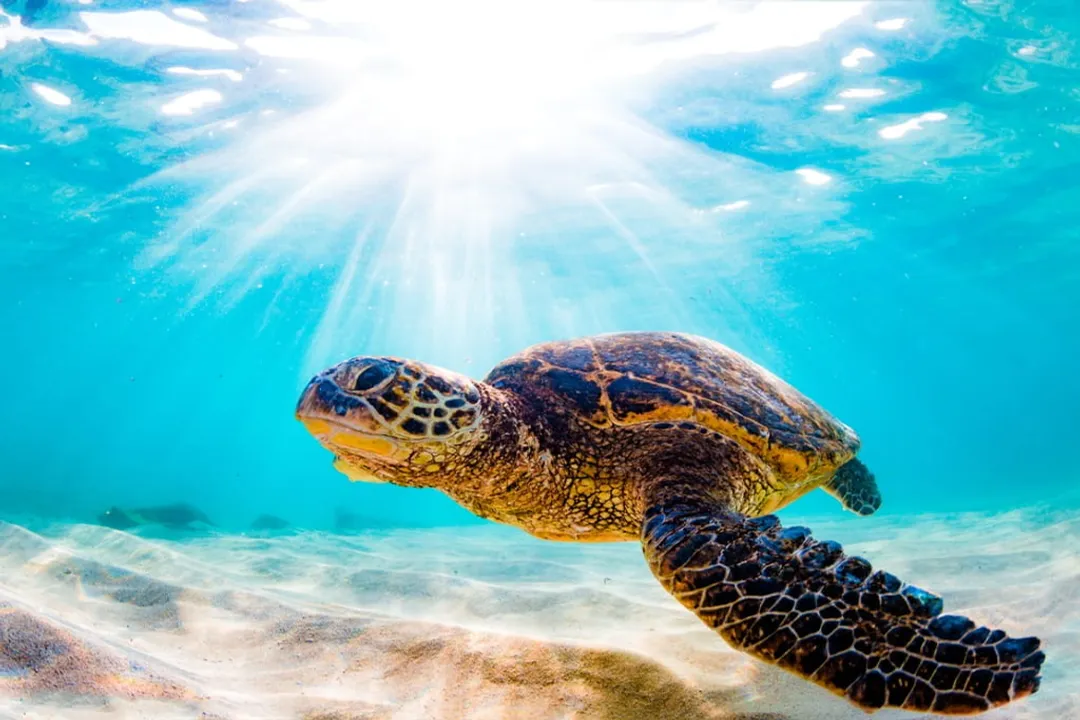
One of the most immediate and terrifying reasons to avoid sea turtle meat is the very real danger of severe, sometimes fatal, food poisoning. This condition is specifically known as chelonitoxism. Unlike typical foodborne illnesses that result from bacteria or viruses, chelonitoxism is caused by toxins that the turtle accumulates in its flesh from its diet. A chilling reminder of this danger occurred recently when eight children and one adult died after consuming sea turtle meat on a remote African island.
The mechanism of this poisoning is concerning because it is entirely unrelated to spoilage or preparation methods. The toxins are fat-soluble and heat-stable, meaning that even thorough cooking will not neutralize the danger. Once ingested, these toxins can cause a range of distressing symptoms. Initially, victims might experience gastrointestinal distress, such as nausea, vomiting, and abdominal pain. However, the danger escalates quickly to systemic and neurological problems, including headaches, dizziness, muscular paralysis, and in severe cases, respiratory failure leading to death. This unpredictable lethality makes any consumption a dangerous gamble.
# Toxin Accumulation
To understand why sea turtle meat becomes a poison, one must look at what the turtles eat. Sea turtles, depending on the species and the area where they feed, consume a diverse range of marine life and vegetation. If their food source is contaminated with certain harmful substances, these poisons bioaccumulate up the food chain, becoming concentrated within the turtle’s tissues.
While the specific source of the most acute, deadly toxins causing chelonitoxism isn't always definitively traced back to a single organism, it is generally understood that the toxins originate from toxic marine algae or other contaminated materials ingested by the turtle. The concentration of these substances can vary wildly from one animal to the next, even within the same species from the same general region, making it impossible to predict which individual will be safe. This variability is a critical point; unlike a known contaminant like mercury in tuna, which has generally established safety guidelines, the acute toxin responsible for chelonitoxism appears to be an opportunistic, diet-driven hazard.
# Heavy Metal Burden
Beyond the acute threat of chelonitoxism, consuming sea turtle meat introduces a different, more chronic toxicological risk: the presence of heavy metals. Scientific analysis has shown that sea turtle tissues can harbor toxic heavy metals, which are also accumulated from their environment and diet. These metals are not immediately life-threatening in the way an acute toxin is, but chronic exposure to heavy metals like lead or cadmium is detrimental to long-term human health, potentially affecting the nervous system, kidneys, and other vital organs.
When comparing the risk profile of sea turtle meat to other seafood, one must recognize that bioaccumulation is a common theme in marine ecosystems. For instance, some large predatory fish or certain species found near industrialized coastlines concentrate environmental pollutants. However, sea turtles often sit in a unique, problematic position: they are long-lived, migratory species that pass through varied and sometimes polluted habitats, acting as ecological sponges for whatever toxins are present in a wide swath of the ocean. This makes their internal toxicology profile far more volatile and less predictable than many commonly consumed fish species that stay within narrower ecological niches.
# Conservation Status
The health risks are only half the story; the other half is the profound impact that harvesting these animals has on the marine environment. Sea turtles are protected species across the globe because most populations are classified as endangered or threatened. Their status reflects centuries of pressure from habitat loss, bycatch in fishing gear, and direct harvesting for meat, eggs, and shells.
When a turtle is taken from the wild for consumption, it represents a direct loss to a population struggling to recover. These reptiles have long lifespans and mature slowly, meaning that removing breeding adults severely hinders the species' ability to rebound from population dips. In areas where consumption persists, whether for local food security or as a high-value delicacy, the continued removal of turtles directly exacerbates the global decline. The connection between human health outcomes and the need for conservation is undeniable: if the meat is dangerous to eat, and the species is near collapse, the incentive to stop harvesting becomes twofold.
# Eating Locally
In certain regions, particularly in the Caribbean, sea turtle meat has historically been considered a special delicacy. This cultural tradition is often challenged by modern conservation laws and, increasingly, by the very real threat of illness. Travelers venturing into areas where this practice occurs must be strongly advised against participating, as they have no background knowledge regarding the local turtle species, their specific feeding habits, or the likelihood of toxin contamination in that particular area.
The challenge for authorities in places where consumption still occurs is immense. Because the presence of the acute toxin is tied to the turtle’s recent diet—which can change based on seasonal algal blooms or local water quality—even a regulated harvest system presents an insurmountable safety hurdle. Imagine a scenario where a fishing cooperative is licensed to take a limited number of turtles. If one harvested turtle fed on safe algae for a year and the next fed on a patch of toxin-laden material for just a few weeks, one resulting meal would be deadly while the other might not be. This impossibility of creating a reliable safety standard based on location or time of year underscores why prohibition is the only safe public health measure, irrespective of the conservation laws.
# Future Considerations
The ongoing discussion around eating sea turtle meat needs to pivot entirely away from feasibility or tradition and focus solely on risk mitigation. For those interested in marine-derived proteins, there are countless safe, abundant, and sustainably sourced alternatives that do not carry the baggage of chelonitoxism or the ethical weight of consuming an endangered animal.
For consumers, the takeaway is simple: the risk profile is too high. Whether one is concerned about the immediate threat of a fatal poisoning event, the long-term accumulation of heavy metals, or the fundamental necessity of protecting vulnerable marine life, the decision points overwhelmingly toward abstention. Given that the toxins are concentrated in the fat, anyone attempting to "trim the fat" to reduce risk is still gambling with potential acute toxins that may be distributed throughout muscle tissue as well. The connection between human dietary choices and the survival of these ancient mariners demands that we leave sea turtle meat firmly off the menu.
Related Questions
#Citations
Is Sea Turtle Meat Poisonous?
Consuming Sea Turtle Meat: Health Risks and Conservation Impacts
Chelonitoxism - Wikipedia
Sea Turtles—What Not To Eat | Science News
TIL Food poisoning from turtle meat can cause extreme drowsiness ...
Why Travelers Should Think Twice About Eating Sea Turtle In The ...
Avoid eating sea turtle meat if you want to cut toxic heavy metals ...
Making the Connection: Human Health and Sea Turtle Consumption
8 children, 1 adult, die from illness after eating sea turtle meat on ...