What critical function does the forest cover surrounding riparian zones serve for Wood Turtles?
Answer
It provides shade during the hottest parts of the summer and shelter from predators.
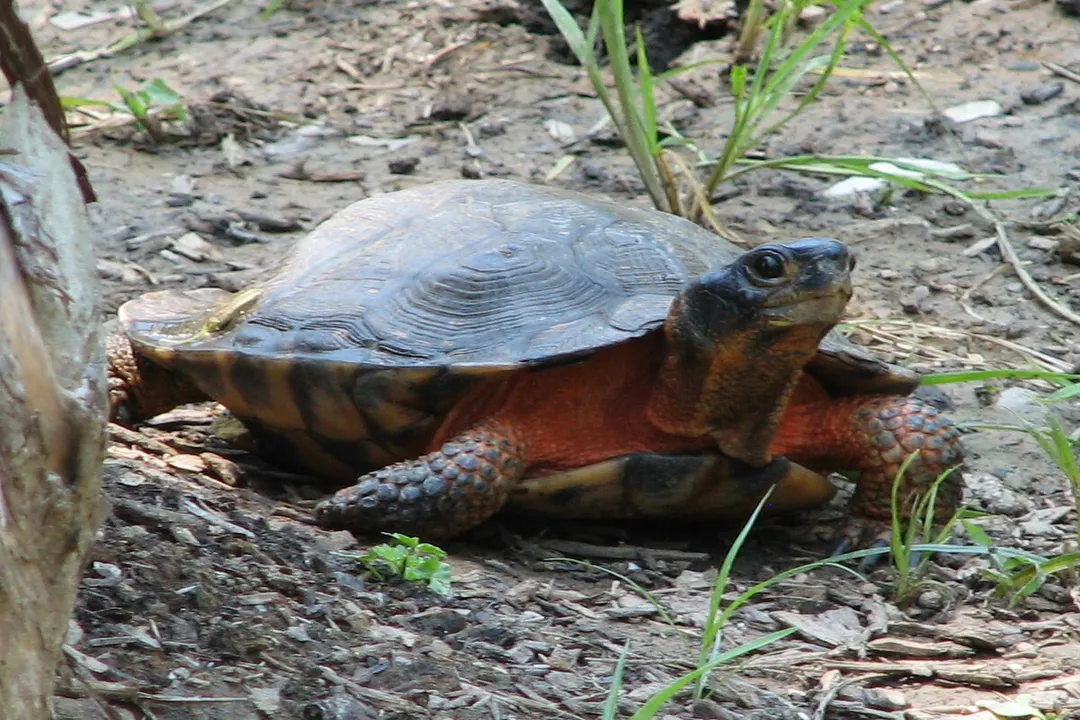
The presence of surrounding forest cover plays an active, protective role in the habitat utilization strategy of the Wood Turtle. While basking requires sunny banks, the turtle must regulate its body temperature to avoid lethal overheating, especially during peak summer heat. The adjacent woodlands provide crucial shade necessary for thermal refuge during these high-temperature periods. Furthermore, these forested areas offer essential cover, acting as shelters that help conceal the turtles from various potential predators when they are away from the immediate water's edge foraging or nesting.
Related Questions
Why are Wood Turtles referred to as "riparian" species?What specific stream bottom substrate do Wood Turtles prefer for successful egg deposition?Where do Wood Turtles typically shift their location to for overwintering?What environmental conditions generally limit the southern extent of the Wood Turtle distribution?In New Jersey, what is the primary conservation focus area for the Wood Turtle?Besides streamsides, what adjacent upland areas do Wood Turtles utilize during their active season?What critical function does the forest cover surrounding riparian zones serve for Wood Turtles?What human activity poses a significant threat by disrupting necessary seasonal movements?If a stream has pristine water quality but lacks the required substrate, what is the outcome for the Wood Turtle population?What consequence results from a small, perfect Wood Turtle habitat being surrounded by hostile development?What is implied about the local hydrology if Wood Turtles are observed thriving in a specific area?