Which taxonomic suborder exclusively contains isopods fully adapted to terrestrial life?
Answer
Oniscidea
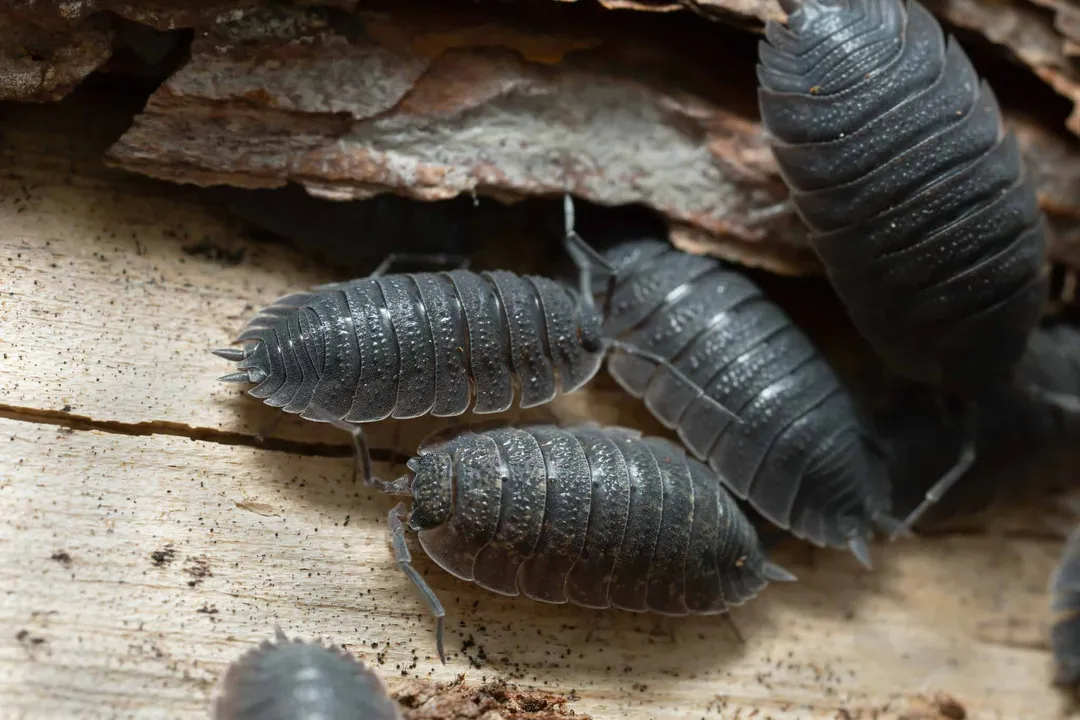
The definitive step separating the common woodlouse from the majority of its relatives within the Order Isopoda is its placement into Suborder Oniscidea. This suborder is characterized specifically by containing all isopods that have achieved full adaptation to life entirely on land. While this adaptation is significant, it is not absolute, as they remain biologically dependent on high humidity due to their respiratory structures. This classification highlights one of the most notable evolutionary achievements within the crustacean lineage: successfully crossing the boundary from an aquatic environment to a sustained terrestrial existence.
Related Questions
What fundamental difference distinguishes woodlice (Crustacea) from insects regarding antennae?What specialized external respiratory organs do terrestrial isopods (Oniscidea) use for breathing?What characteristic gives the Order Isopoda its name meaning 'equal feet'?Which defensive mechanism is characteristic of pill bugs (Armadillidium vulgare) but typically absent in the rough woodlouse?Besides a segmented body, what key physical trait characterizes membership in Phylum Arthropoda?What specialized ecological function has been noted for the rough woodlouse, Porcellio scaber?How many body segments characterize organisms placed in Class Malacostraca?Which requirement defines placement within Kingdom Animalia alongside woodlice?Which taxonomic suborder exclusively contains isopods fully adapted to terrestrial life?What retention in woodlice confirms their ancestry within the typically aquatic Subphylum Crustacea?