Which structural feature helps distinguish a zorse from a zonkey?
Answer
The zorse retains the bulk and proportions of a horse
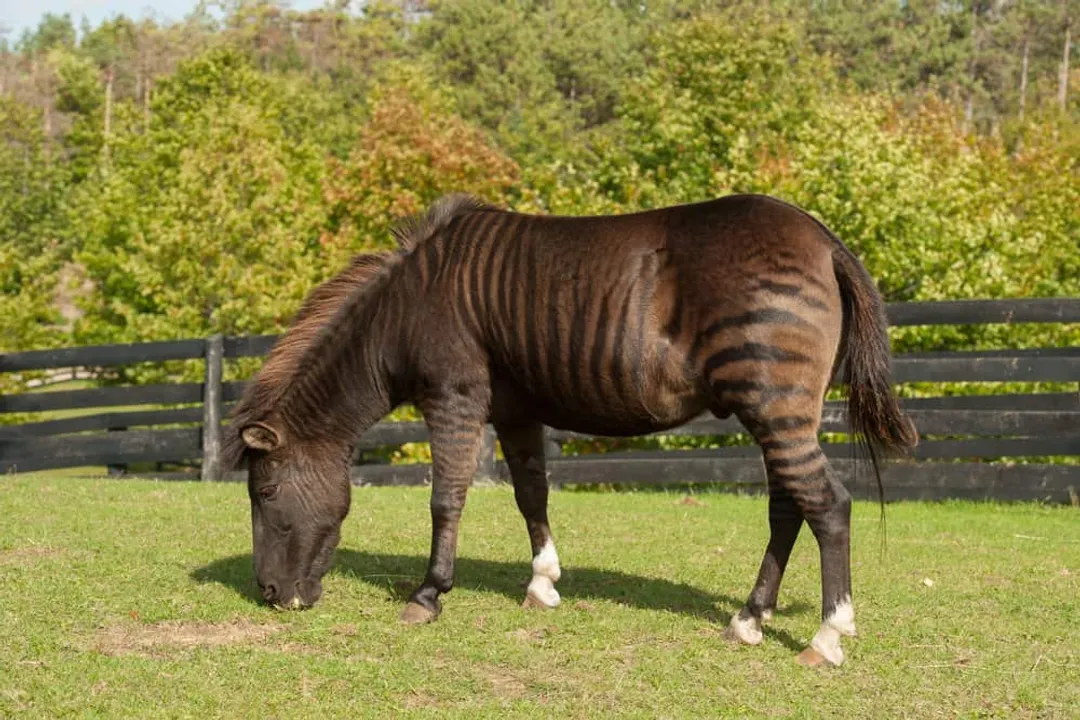
When attempting to identify a zorse versus other zebroids like a zonkey (zebra/donkey hybrid), observation of the overall body structure is crucial. The zonkey inherits traits from the donkey parent, which typically manifest as long ears and a narrower overall body configuration. The zorse, however, retains the significant physical advantages derived from the horse parent, meaning it possesses greater bulk, robustness, and proportions consistent with a domestic horse. Therefore, observing a relatively large and broad silhouette is a key indicator pointing toward a zorse rather than a zonkey.
Related Questions
What two species, Equus caballus and Equus zebra, are crossbred to create the zorse?Which parent species predominantly dictates the foundational body shape, overall size, and musculature of a zorse?What is the umbrella term for any animal resulting from a zebra cross, including the zorse?In some zorses, where might zebra striping be localized instead of covering the entire body?What characteristic regarding posture does the zorse mane frequently adopt from its zebra ancestry?If a zorse's base coat is chestnut or palomino, how do the resulting zebra stripes typically manifest?How does the reproductive potential of a zorse differ from that of a mule?Which structural feature helps distinguish a zorse from a zonkey?How do the stripes generally appear on a young zorse compared to an adult?What aspect of the zebra parent's pattern influences the markings on a zorse?