Zorse Physical Characteristics
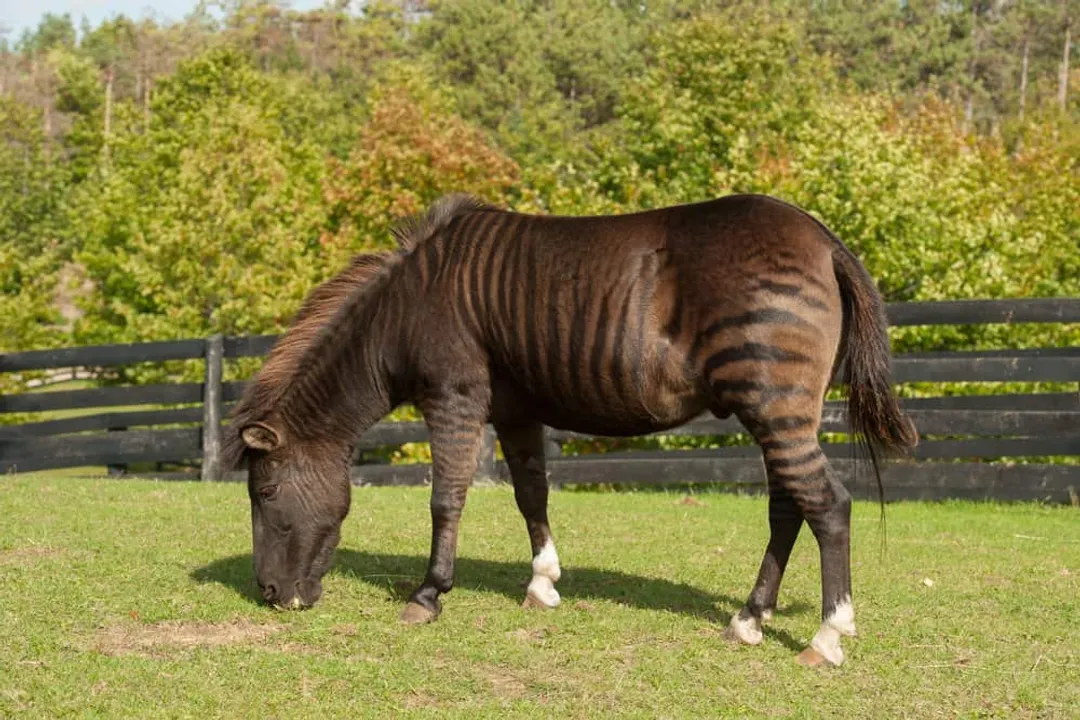
The zorse stands as a fascinating example of equine hybridization, a creature resulting from the crossbreeding of a domestic horse (Equus caballus) and a zebra (Equus zebra). [2][6] This blend of two distinct species results in an animal whose physical characteristics are a mosaic, inheriting traits from both parent lines. [3][7] At first glance, a zorse often presents with the general conformation of a horse but carries the unmistakable, high-contrast striping signature of its zebra ancestry. [1][4][5] Understanding the physical makeup of a zorse requires looking closely at which parent’s features have become dominant in specific anatomical areas.
# Hybrid Inheritance
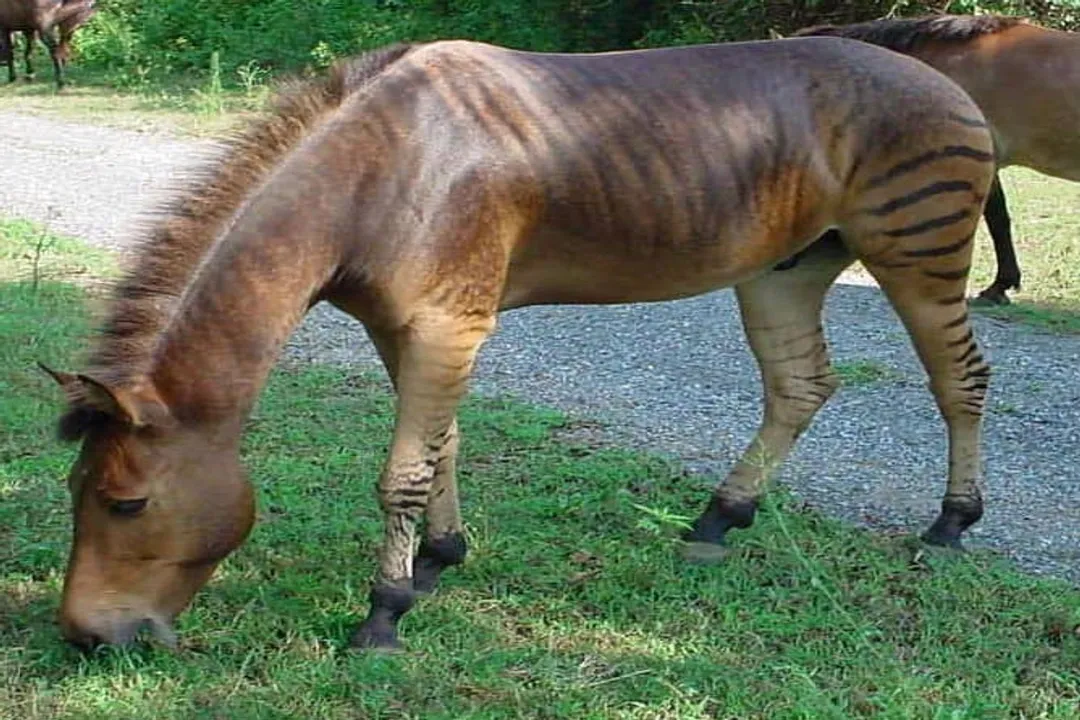
The exact appearance of any individual zorse is highly dependent on the specific species of zebra used in the breeding, the gender combination (e.g., zebra stallion to horse mare, or vice versa), and the genetic contribution from the horse parent. [3] This means that unlike predictable breed standards, the outcome is always somewhat variable. [7] Since the animal is a first-generation hybrid, it belongs to the group known as zebroids, which is the umbrella term for any zebra cross. [6]
The parents involved dictate the baseline. If the horse parent has a very solid, draft-like build, the resulting zorse will likely carry more of that heavy frame, even if the stripes are clearly visible. [2] Conversely, a lighter horse parent might produce a zorse that appears more slender or "wild" in its carriage, though still fundamentally equestrian in structure. [7] The genetic contribution is never perfectly 50/50 across all physical traits; some characteristics—like overall bone structure and musculature—tend to favor the horse parent, while the distinctive coat pattern undeniably comes from the zebra. [2]
# Equine Build
The foundational body shape of the zorse is overwhelmingly derived from the horse parent. [2] Readers expecting an animal resembling a miniature, striped wild ass will generally be surprised by the robust, familiar silhouette of a domestic horse. [1][4] This includes the general size, the shape of the barrel, the neck crest, and the overall leg structure—all pointing toward Equus caballus. [2]
The overall height and weight will vary considerably based on the breeds involved in the cross. [8] For instance, breeding a Shetland pony to a zebra would result in a substantially smaller zorse than breeding a Thoroughbred or Warmblood to a zebra. The physical stature is generally within the typical range for a horse, rather than the smaller stature often associated with zebras. [1] The ears, while sometimes slightly larger or more rounded than a typical horse, still maintain an equine shape, contributing to the overall familiar profile. [2]
# Zebra Striping
The striping is, without a doubt, the defining physical characteristic that immediately flags the animal as a zebroid. [3] However, the manner in which these stripes appear is far from uniform across all zorses. [1] The intensity, pattern, and coverage are where the genetic lottery truly plays out.
In some cases, the striping can be extensive, covering the entire body in a manner reminiscent of a purebred zebra. [1] In other specimens, the striping is much more localized. It might be confined primarily to the legs—often referred to as "zebra stockings"—or it might concentrate on the hindquarters and the lower portion of the body. [1] A less striped zorse might only show faint striping across the neck or around the eyes. [1] This variability means that identifying a zorse by its stripes alone can sometimes be misleading if one expects a textbook pattern. Considering the zebra parent’s specific pattern—whether it is the narrower stripes of a Grévy's zebra or the broader ones of a Plains zebra—will influence the resulting markings, even if the pattern is partial. [1] If the horse parent carries any faint, ancestral "primitive" markings, these can sometimes merge strangely with the zebra stripes, creating unique, darker shadow lines within the lighter coat sections.
The coloration of the base coat underneath the stripes is also important. Since horses come in a vast array of colors (bay, black, chestnut, grey, etc.), the zorse inherits this background color. [2] If the base coat is black, the stripes will be dark black on a jet-black background, sometimes making the striping look like textural variation rather than distinct color bands. If the base coat is chestnut or palomino, the stripes will likely manifest as dark mahogany or reddish-brown bands over the lighter base color, offering a striking contrast that is very different from the stark black and white of a pure zebra. [2] It's fascinating to observe how the expression of the stripe gene interacts with the base pigment genes; where the base coat is genetically 'diluted' or 'red' (pheomelanin), the resulting stripes tend to be less harsh than on a black (eumelanin) base coat. [1]
# Mane Tail Girth
The mane and tail structure often offer another clue to the zorse’s heritage. While the overall neck musculature leans toward the horse, the mane itself frequently exhibits characteristics more closely aligned with a zebra. [2] Zebra manes are typically stiff, short, and stand erect, often displaying alternating bands of dark and light coloration. [1] Zorse manes frequently adopt this stiff, upright posture, though they might be longer than a pure zebra’s if the horse parent had a long, flowing mane. [2]
Similarly, the tail often blends features. Zebras typically have tails that are more donkey-like, featuring a switch of long hair at the very end over a shorter, haired base. Horse tails, by contrast, have long hair growing from the dock down to the ground. [2] The zorse’s tail can land anywhere on this spectrum, often being more tasseled than a zebra’s but perhaps not as full as a standard horse’s tail. [7]
When examining the overall substance and girth, it is worth noting that although the zorse is a hybrid, it is not automatically sterile like a mule (the result of a horse and a donkey). [6] While this is a reproductive trait, it implies a different set of genetic stability factors that manifest physically over time compared to mules, which tend to have a very distinct, more compact build. [6] The zorse tends to retain a more fluid, dynamic appearance common to both wild equids and domestic horses.
# Practical Identification Nuances
For anyone interacting with these animals, distinguishing a zorse from other zebroids, like a hebra (horse/zebra hybrid where the zebra is the dam) or a zonkey (zebra/donkey), relies heavily on observing the totality of the body structure alongside the coat. [6] While a zonkey will show donkey traits like long ears and a narrower body, the zorse retains the bulk and proportions of a horse. [2]
If you encounter a young zorse, the stripes often appear more defined and darker against the foal coat before they begin to mature and the adult coat establishes its final color saturation. [1] A useful, albeit non-definitive, check involves looking closely at the muzzle and eyes. While the eye shape is equine, the area around the muzzle might show faint striping or a slightly different texture than a solid-colored horse, a subtle indicator of zebra influence. [2] The coat texture itself, even where stripes are absent, can sometimes feel slightly coarser than a fine-coated horse, hinting at the wilder ancestry. [7] This subtle difference in coat feel is often more apparent in humid weather when the horse coat might soften more than the zebra component allows.
Related Questions
#Citations
Yes, the Zorse Is a Real Mix of a Horse and a Zebra
Zorse Animal Facts - Equus zebra x Equus caballus
Read Now: Uncover the Secrets of the Zorse
Zorse Facts, Worksheets, Classification & Evolution For Kids
🔥 This is the ZORSE, the Animal With a Horse Body ...
Zorse (Equus zebra x Equus caballus)
Zorse | Animal Database - Fandom
Blog: 365 Days in Horse Country – The Zorse
Learn and Earn contest Entry: Z= Zorse