How does the reproductive potential of a zorse differ from that of a mule?
Answer
A zorse is not automatically sterile like a mule
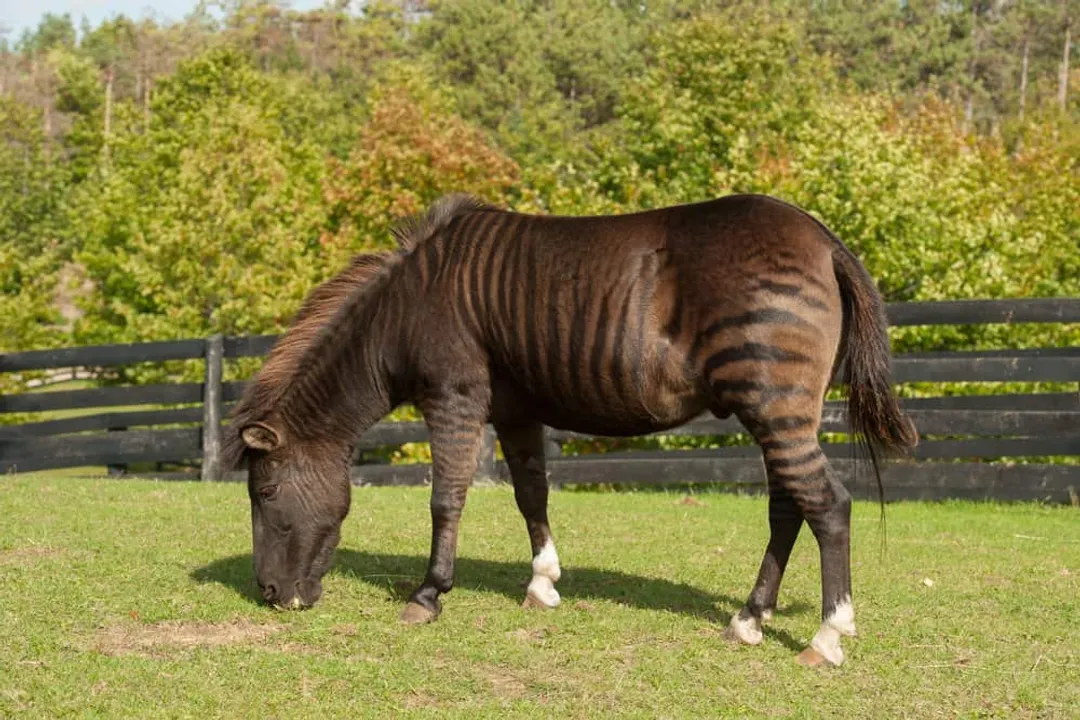
A significant genetic distinction between the zorse and the mule relates to reproductive capability. A mule, which is the sterile offspring resulting from crossing a horse and a donkey, faces inherent reproductive limitations due to chromosomal mismatch. In contrast, the zorse, despite being a first-generation hybrid resulting from a horse and a zebra cross, is not automatically sterile. This difference implies that the genetic stability factors governing the zorse's physiology and lifespan manifest differently compared to the more compact build often seen in mules, suggesting a less restrictive genetic barrier to fertility.
Related Questions
What two species, Equus caballus and Equus zebra, are crossbred to create the zorse?Which parent species predominantly dictates the foundational body shape, overall size, and musculature of a zorse?What is the umbrella term for any animal resulting from a zebra cross, including the zorse?In some zorses, where might zebra striping be localized instead of covering the entire body?What characteristic regarding posture does the zorse mane frequently adopt from its zebra ancestry?If a zorse's base coat is chestnut or palomino, how do the resulting zebra stripes typically manifest?How does the reproductive potential of a zorse differ from that of a mule?Which structural feature helps distinguish a zorse from a zonkey?How do the stripes generally appear on a young zorse compared to an adult?What aspect of the zebra parent's pattern influences the markings on a zorse?