Which specific autonomous region in China contains the Wucaiwan discovery site?
Answer
Xinjiang Uygur Autonomous Region
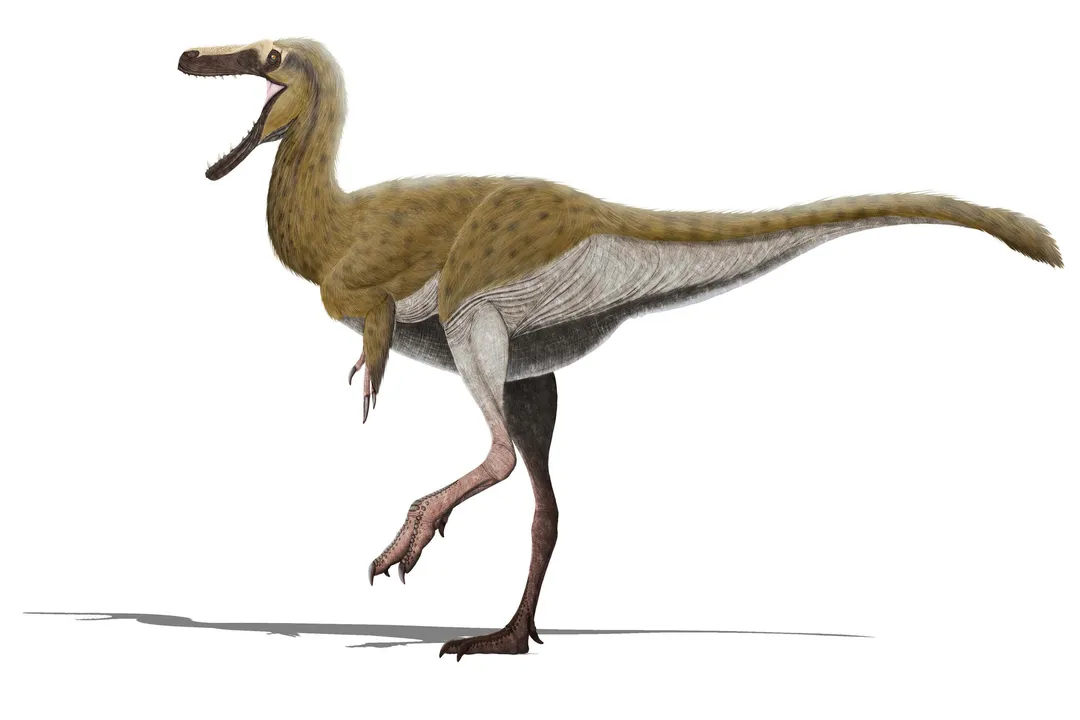
The specific locale where the remains of Xiongguanlong baimoensis were excavated is identified as being within the Xinjiang Uygur Autonomous Region, situated in northwestern China. This region is where Wucaiwan, the site proximate to the Wuchengtang Formation yielding the fossils, is geographically located. Understanding this precise regional context helps researchers map the evolutionary paths and dispersal patterns of early tyrannosauroids within Asia during the Late Jurassic period, showing regional adaptations distinct from other continental finds.
Related Questions
Where is Xiongguanlong baimoensis definitively placed within the fossil record?Which geological layer yielded the remains of Xiongguanlong baimoensis?What geological time period places Xiongguanlong before the massive Cretaceous tyrannosaurs?What unique snout morphology distinguishes Xiongguanlong from many later relatives?Where is the holotype specimen IVPP V17091 of Xiongguanlong baimoensis currently housed?What is the specific designation for the primary fossil evidence of Xiongguanlong?How does the timing of Xiongguanlong compare to the evolution of Tyrannosaurus rex?What specific geological basin in northwestern China holds the discovery site for Xiongguanlong?What does the name component 'Xiongguanlong' roughly translate to descriptively?Which specific autonomous region in China contains the Wucaiwan discovery site?