Which pest, whose larvae live in damp soil feeding on roots, is often kept in check by Rove Beetles?
Answer
Fungus gnats.
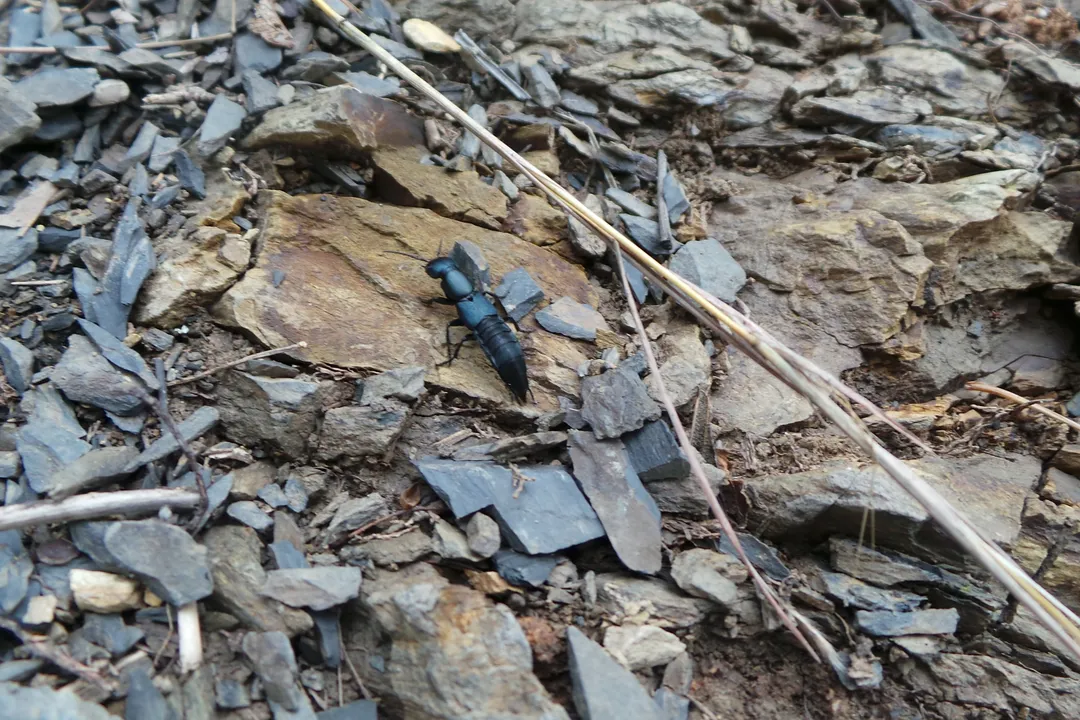
Rove beetles are highly effective predators in the upper soil layers, precisely where certain damaging pests concentrate. Fungus gnats are a particular problem because their larvae inhabit damp soil environments and sustain themselves by feeding on plant roots. Since Rove beetles naturally congregate in these moist, dark areas—the same places where fungus gnats flourish—they exert continuous pressure on the gnat larvae population. This natural suppression helps protect seedlings and maturing plants from root damage caused by these pervasive soil-dwelling pests.
Related Questions
What beetle family do Rove Beetles belong to?What is a key identifier regarding the wing structure of Rove Beetles?What common garden offenders do Rove Beetles actively hunt and consume?What two environmental conditions are absolutely required for Rove Beetles to thrive?What population of smaller decomposers do Rove Beetles help police by consuming their eggs and young stages?How can an active gardener create an ideal harbor for Rove Beetles?Why is the Rove Beetle's function as a generalist predator an asset?Under what handling condition might some Rove Beetle species release defensive chemical irritants?Which pest, whose larvae live in damp soil feeding on roots, is often kept in check by Rove Beetles?Compared to the damage caused by pests they control, how is the risk profile of the Rove Beetle summarized?