Do basset fauve de Bretagne make good pets?
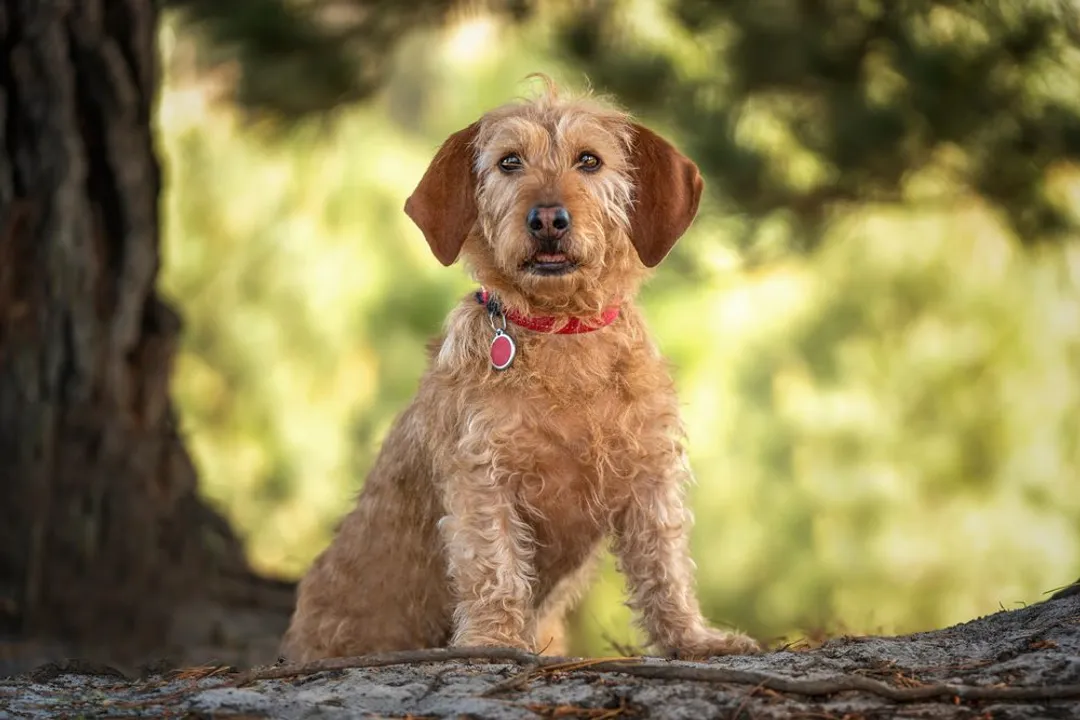
The Basset Fauve de Bretagne is a charming French scent hound, often captivating potential owners with its slightly wistful expression and sturdy, low-slung build. Asking whether this breed makes a good pet really comes down to matching their specific needs—which are rooted in centuries of hunting tradition—with a potential owner’s lifestyle. They are known to be quite merry and affectionate, qualities that make them appealing companions, but these traits come packaged with the energy and independent thinking typical of a scent-driven breed. [1][5] Understanding the intersection of their joyful nature and their working dog instincts is key to determining if they will settle happily into a domestic setting. [8]
# Breed Background
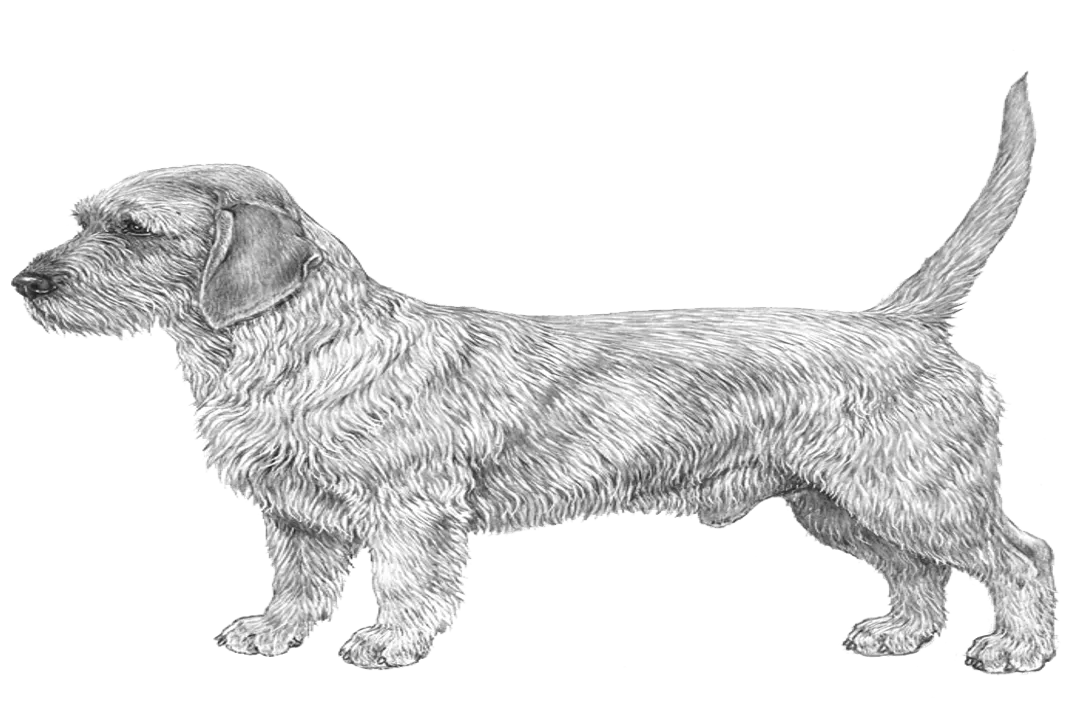
Originating in Brittany, France, the Basset Fauve de Bretagne was developed to hunt small game, such as rabbits and hares, often working in dense underbrush. [5][8] The name itself provides clues to their identity: Basset refers to their short legs, Fauve means fawn-colored, and de Bretagne points to their region of origin. [5] They are closely related to the Grand Fauve de Bretagne, but the Basset version was selectively bred to have shorter legs, allowing it to navigate heavy cover more effectively while keeping its nose close to the ground. [8] This history as a dedicated hunter dictates much of their modern behavior, especially their nose-driven focus and need for activity. [1]
# Temperament
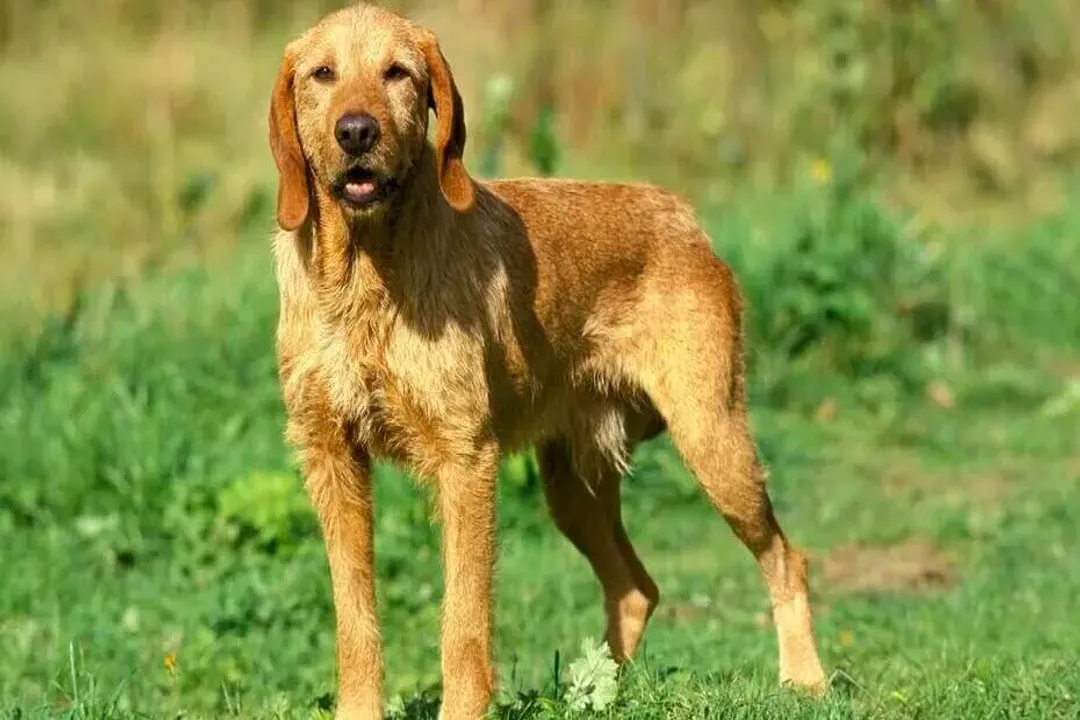
Generally speaking, the personality of the Basset Fauve de Bretagne is considered lively, enthusiastic, and quite friendly. [1][5] They tend to form strong bonds with their families and are often quite happy in the company of their people. [5] Many owners find them to be intelligent, though this intelligence is often coupled with a distinct streak of stubbornness or independence. [1][5] This combination means that while they can learn quickly, they might not always be eager to obey if they decide something else is more interesting—like a compelling scent trail. [1]
One important consideration for prospective owners is their vocal nature. These hounds are not typically quiet dogs; they are known to bark or howl. [5] This stems from their use as hunting dogs, where they would announce the location of game. While they make excellent watchdogs, alerting you to the arrival of strangers, they are not bred to be guard dogs. [1] Furthermore, while generally good with children, early socialization is vital to ensure they grow comfortable around new people and different social situations. [5] They can also be sensitive, reacting poorly to harsh training methods, which means their affectionate nature is best maintained through positive reinforcement techniques. [1]
# Activity Demands
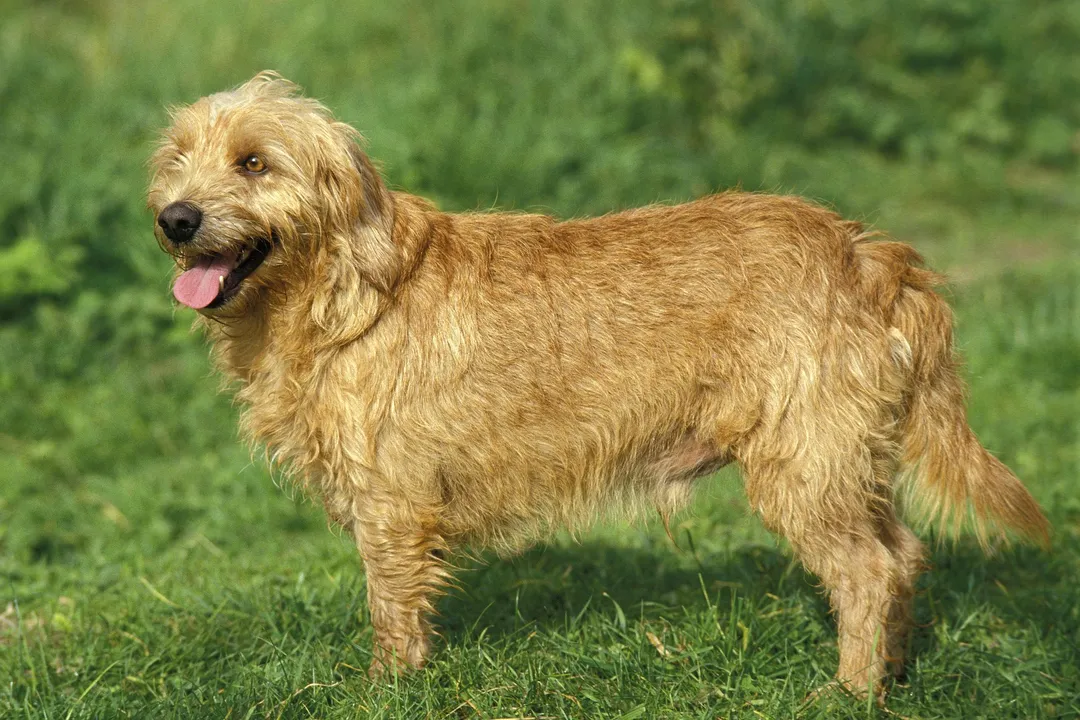
The Basset Fauve de Bretagne is not a couch potato. Despite their somewhat stocky appearance and shorter legs, they possess significant stamina and energy levels inherited from their scent-hound lineage. [1][5] Owners must commit to providing daily, vigorous exercise to keep them happy and well-behaved. [1][5] A short, leisurely walk around the block may not be sufficient to satisfy their instincts. If their exercise needs are not met, the resulting boredom can easily manifest as destructive chewing or excessive barking indoors. [1]
A crucial element related to their exercise is their nose. Because they were bred to follow scents, they possess a powerful drive to track. [1][5] This means that off-leash time must be strictly managed. Secure fencing is non-negotiable, as an interesting smell can cause them to ignore recall commands entirely and wander off in pursuit. [1][5] If you are someone who enjoys trail walking, hiking, or jogging, this breed could be an excellent partner, provided you use a long line or dedicated recall training in open areas to manage their hunting instinct safely. [1] It is interesting to note that because their harsh, fawn-colored coat is somewhat weather-resistant and sheds dirt relatively easily, owners sometimes mistake their relatively low grooming maintenance for low activity maintenance, which can be a frequent source of frustration for novice owners who are unprepared for the required output of energy. [1][5]
# Health and Grooming
One positive aspect of owning a Basset Fauve de Bretagne is their general hardiness. They are considered a relatively healthy breed, typically enjoying a lifespan of about 12 to 14 years. [1][5] While generally sound, like all purebred dogs, they can be susceptible to breed-specific health concerns, though the provided sources do not detail specific prevalent conditions, suggesting they are generally robust compared to some other breeds. [1]
Grooming requirements are surprisingly straightforward for a dog with such a distinct coat. Their coat is short, harsh, and dense, offering protection in the field. [1][5] They are not high-maintenance in terms of brushing; occasional combing is usually enough to keep the coat tidy and remove loose hair. [5] However, like many double-coated dogs, they will shed consistently year-round, with heavier "blows" of coat occurring about twice a year. [1] Regular bathing is only necessary when they get genuinely dirty, which, given their enthusiasm for outdoor exploration, will likely happen frequently. [5]
# Training Focus
Successfully training a Basset Fauve de Bretagne requires patience, consistency, and an understanding of their independent mindset. [1][5] They are intelligent enough to learn commands, but they are not inherently desperate to please in the way some other breeds are. Therefore, positive motivation, such as high-value treats and play, works much better than harsh correction. [1]
For a first-time dog owner, this breed can present a genuine challenge. [1] The combination of intelligence and stubbornness means that training sessions must be kept short, engaging, and fun to maintain their attention. [5] A key actionable tip for integrating this hound into a family environment involves front-loading their socialization efforts. Because their scent drive can make them initially wary or overly focused when encountering new sights, sounds, or people while on walks, dedicating the first six months to structured, positive exposure to diverse environments—busy streets, quiet parks, different types of people (hats, strollers, uniforms)—can drastically improve their adaptability as adults. [5] Ignoring this early window can lead to a dog that is reactive or overly focused on distractions later on due to their scent-hound nature.
# Suitability Assessment
Determining if the Basset Fauve de Bretagne is the right pet depends heavily on whether the household can accommodate their energy and their vocal tendencies. They thrive in active homes where they are included in family activities, rather than relegated to the backyard. [5] They are generally considered good companions for families who enjoy spending time outdoors and can provide consistent training and mental stimulation. [5]
For those living in apartments, ownership is possible, but only if the owner is absolutely committed to fulfilling the dog's significant exercise requirements through dedicated daily outings, perhaps including dog sports or long runs, rather than relying on brief indoor playtime. [1] They are not ideal for owners seeking a very quiet or sedentary companion. [5] Ultimately, the Basset Fauve de Bretagne offers immense affection and a playful spirit, provided their owner respects their history as a tenacious, independent French hunter and meets those innate needs head-on. [1][5]
Related Questions
#Citations
Basset Fauve de Bretagne: Dog Breed Characteristics and Care
5 Things to Know About Basset Fauve de Bretagne Dogs - Petful
Does anyone here own a Basset Fauve de Bretagne? - Reddit
The Basset Fauve de Bretagne is a friendly and intelligent hunting ...
Basset Fauve de Bretagne Dog Breed Information | Purina UK
Basset Fauve de Bretagne dog breed information | Noah's Dogs
Basset Fauve de Bretagne Facts - Dog Breeds - Wisdom Panel
Basset Fauve de Bretagnes - Dog Breeds - Embark
Basset Fauve de Bretagne: Your Complete Guide - Dog Academy