Under what handling condition might some Rove Beetle species release defensive chemical irritants?
Answer
When aggressively handled or crushed.
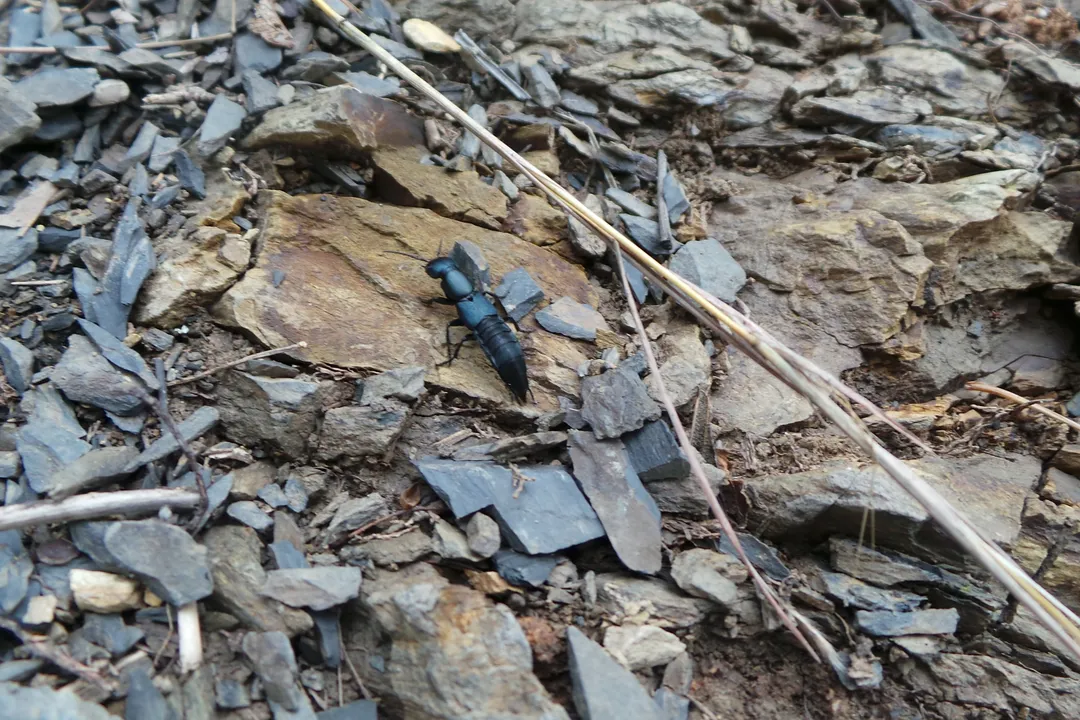
While Rove beetles are overwhelmingly beneficial, they possess defensive capabilities against perceived threats, especially when they feel cornered or are handled roughly. Certain species are known to deploy chemical defenses, which can manifest as skin irritation or, in rarer instances involving specific types, chemical burns. However, this mechanism is primarily reserved as a reaction to aggressive physical confrontation, such as being squeezed or crushed. For the routine encounters that occur during normal gardening activities, this defensive secretion is generally not a factor, leading to the advice to simply observe them from a distance.
Related Questions
What beetle family do Rove Beetles belong to?What is a key identifier regarding the wing structure of Rove Beetles?What common garden offenders do Rove Beetles actively hunt and consume?What two environmental conditions are absolutely required for Rove Beetles to thrive?What population of smaller decomposers do Rove Beetles help police by consuming their eggs and young stages?How can an active gardener create an ideal harbor for Rove Beetles?Why is the Rove Beetle's function as a generalist predator an asset?Under what handling condition might some Rove Beetle species release defensive chemical irritants?Which pest, whose larvae live in damp soil feeding on roots, is often kept in check by Rove Beetles?Compared to the damage caused by pests they control, how is the risk profile of the Rove Beetle summarized?