Are spider beetles as bad as bed bugs?
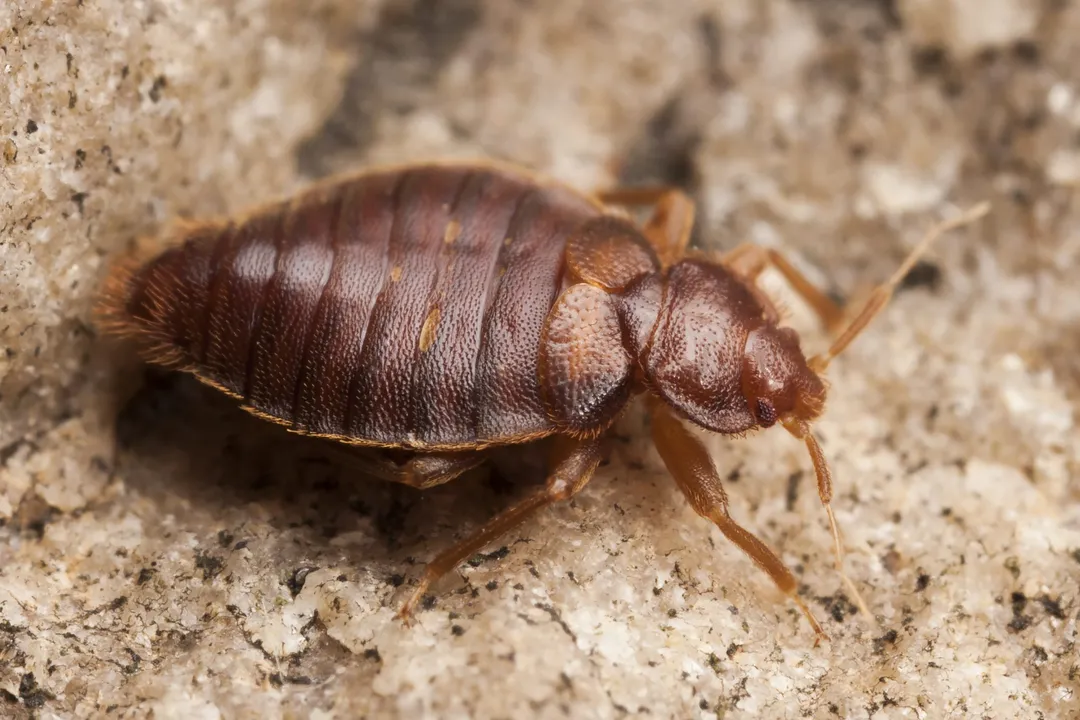
The anxiety that strikes when finding a small, unfamiliar insect in your home often leads to immediate comparison with the most feared domestic pest: the bed bug. This fear is understandable, as the consequences of a bed bug infestation are significant, affecting sleep, peace of mind, and finances. However, not all scurrying invaders carry the same threat level. One creature frequently confused with the dreaded cimicid is the spider beetle. While both are small, often dark, and definitely unwanted, their biology, behavior, and the risk they pose to occupants are worlds apart. [1][4][5] Understanding which one you are dealing with dictates the entire response, turning a potential six-figure eradication headache into a manageable pantry cleanout.
# Body Structure
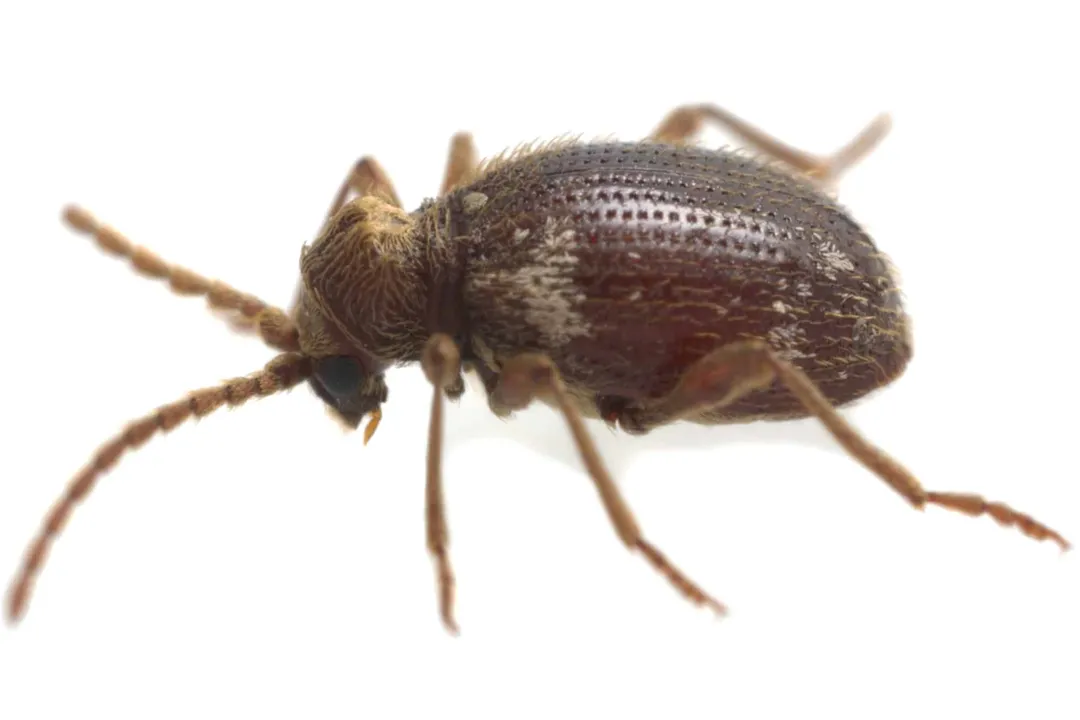
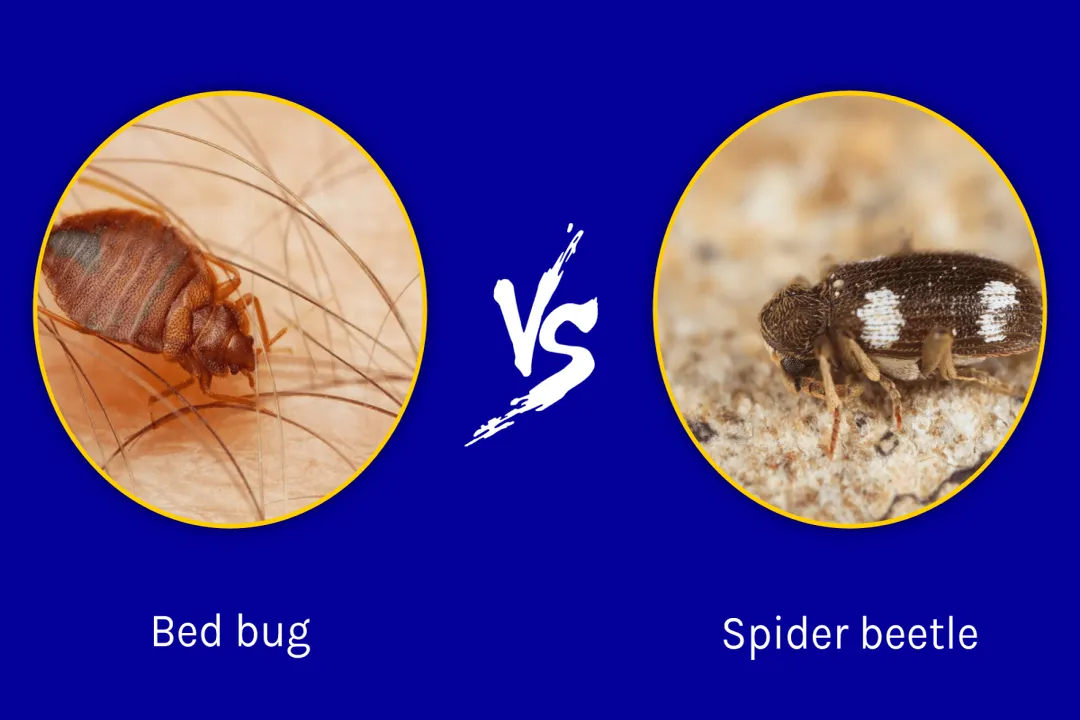
The most immediate way to differentiate these two pests lies in their physical appearance. Spider beetles are aptly named because they possess long, slender legs relative to their body size, giving them a distinct, almost arachnid-like silhouette. [1][2] They are typically small, ranging from about 1/16 of an inch up to 1/8 of an inch in length, and usually present in shades of reddish-brown or black. [2][5] Their bodies are generally rounded or convex. [2] If you look closely and see long, prominent legs making the bug look like it is standing high off the surface, you are likely looking at a beetle. [1]
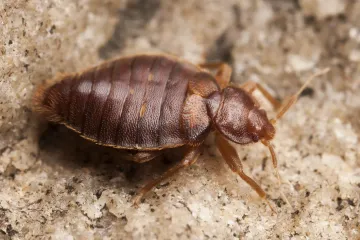
Bed bugs, by contrast, have a much different profile. An adult bed bug is about the size of an apple seed, measuring around 5 to 7 millimeters, and they are characteristically oval and flat when unfed. [1][6] Their color is typically reddish-brown, though they may appear lighter before feeding. [1] Unlike the running spider beetle, bed bugs are often described as crawling slowly. [1] If the suspect insect looks like a tick or a flattened seed scurrying away, keep the spider beetle possibility open. If it looks like a miniature, flat, dark brown ladybug that seems sluggish, you should focus your attention toward bed bugs. [1]
If you find yourself trying to make a split-second identification in poor lighting, remember this simple visual filter: If the insect looks like it has disproportionately long legs and a very round body, it favors the beetle family. If it looks like a small, flat, brownish oval, it strongly suggests a bed bug. [1][2]
# Threat Level
When assessing whether spider beetles are "as bad" as bed bugs, the conversation must shift from aesthetics to direct impact on human health and property. The short answer is a definitive no; spider beetles do not pose the same level of threat. [1][5]
Spider beetles are generally classified as pests of stored products. [1][5] They infest dry goods such as grains, seeds, pet food, dried fruits, herbs, and spices. [1][5][9] Their presence indicates a contamination issue within your pantry or storage areas. While finding them in your breakfast cereal is certainly unpleasant, they are not known to bite humans or transmit diseases. [1][5][9] The issue here is one of food safety and waste; you must discard the infested product.
Bed bugs, however, are hematophagous—they feed exclusively on the blood of warm-blooded hosts, including humans. [1][6] Their presence means you are being fed upon, usually while you sleep. [1] While they do not transmit diseases, their bites cause itchy welts, leading to skin irritation, secondary infections from scratching, and severe psychological distress related to sleep disruption and the feeling of being invaded. [3][6] The primary damage caused by bed bugs is psychological, social, and financial, due to the difficulty and cost of eradication. [3]
For a homeowner experiencing bites, the identification becomes urgent. If an exterminator has already ruled out bed bugs—a common occurrence when people are dealing with mystery bites—the culprit might indeed be a different insect entirely, perhaps a beetle that bites defensively or opportunistically, though spider beetles themselves are typically not noted as biters. [3][4] The key takeaway is that one pest contaminates food, the other contaminates your sleep and skin integrity.
# Habitat Zones
The location where you find the pest provides another significant clue regarding its identity and source.
Spider beetles are associated with dry, stored food sources. [1][9] If you are finding them running across the kitchen floor near the pantry, crawling out of a bag of flour, or hiding in dried pet food containers, you have a spider beetle problem. [1][5] They are often brought into a home unknowingly when infested goods are purchased. [1] Areas like basements or less frequently used cabinets are prime targets for their colonies if left undisturbed. [9]
Bed bugs, conversely, are masters of hiding near their hosts’ sleeping areas. [1] Their habitat centers around mattresses, box springs, bed frames, nightstands, cracks in baseboards near the bed, and upholstered furniture. [6] Finding small, dark fecal spots resembling rusty stains on your sheets or mattress seams is a strong indicator of bed bug activity, something you will never see associated with a spider beetle infestation. [1][6] If the suspected insect is found near the headboard or in the seams of a sofa, the concern shifts entirely away from the pantry. [6]
# Locomotion
Behavior in movement can sometimes be observed before the pest is captured or killed. Spider beetles have a habit of scurrying or running quickly when disturbed. [1] Their longer legs contribute to a gait that might appear somewhat erratic or rapid compared to other household pests.
Bed bugs, on the other hand, are known for a slower, more deliberate crawling motion. [1] They are not known for quick sprints across a wall or floor in the same manner a beetle might exhibit. While they can move quickly enough to evade detection when necessary, their general travel pattern is a crawl rather than a run.
# Removal Strategies
Because the root cause of infestation is entirely different, the removal strategy must also be distinct. Treating a food pest like a blood feeder, or vice versa, is a waste of time and money.
Dealing with spider beetles is generally a matter of source removal and sanitation. Since they feed on stored goods, the first step is a thorough inspection of all dry food items. [9] Any package showing signs of webbing, tunneling, or actual beetles must be immediately discarded, often by sealing it in a plastic bag and placing it in an exterior trash bin. [1] Following disposal, deep cleaning the pantry, shelves, and cabinets with soap and water, or even a vacuum with a crevice tool, will remove any remaining eggs or larvae. [9] For persistent issues, considering airtight, sealed containers for all dry goods moving forward is a proactive step against future contamination. [5]
Eliminating bed bugs demands a far more involved process, often requiring professional intervention due to their resistance to many consumer insecticides and their ability to hide in minute cracks. [3] The strategy focuses on heat, vacuuming, and chemical treatment of cracks, crevices, and fabric-covered items associated with sleeping areas. [6] The goal is to eliminate every life stage—egg, nymph, and adult—from the entire bedroom ecosystem, not just the mattress. If you are dealing with bites and general anxiety, but an inspector has cleared the bedding area, the focus should swing back to the dry goods, assuming a spider beetle or similar pantry pest is the true culprit. [3] This shift in focus—from cleaning the bedroom to cleaning the pantry—is often the most crucial step a homeowner takes in resolving the confusion. [1][9]
# Final Assessment
Are spider beetles as bad as bed bugs? Objectively, no. Bed bugs pose a direct, physical, and psychological threat by feeding on people and thriving in sleeping areas. [1][6] They are infamous for requiring intensive, costly remediation efforts. [3] Spider beetles, while requiring immediate action to protect stored food supplies, are largely an issue of contamination, not infestation of the human body. [1][5] They are nuisances that destroy pantry goods but do not bite or carry diseases that affect human health directly. [1][5][9] Identifying the true nature of the pest early prevents unnecessary panic and ensures the correct, targeted treatment begins immediately, whether that means inspecting the spice rack or the mattress seams.
Related Questions
#Citations
The Difference Between Spider Beetles and Bed Bugs
Spider Beetle vs Bed Bug: What are the Differences? - A-Z Animals
I am getting bites. Exterminator rules out bed bugs, found this after ...
10 Bugs Commonly Mistaken For Bed Bugs - Kodiak Pest Control
Bedbug Look-alikes | Moxie Pest Control
8 Bugs That Look Like Bed Bugs - MMPC - M&M Pest Control
Spider Beetle: What They Are and How to Get Rid of Them
Spider Beetles are OFTEN mistaken for Bed Bugs ... - Facebook
5 facts about spider beetles - Ehrlich Pest Control