Are Transylvanian hounds good family dogs?
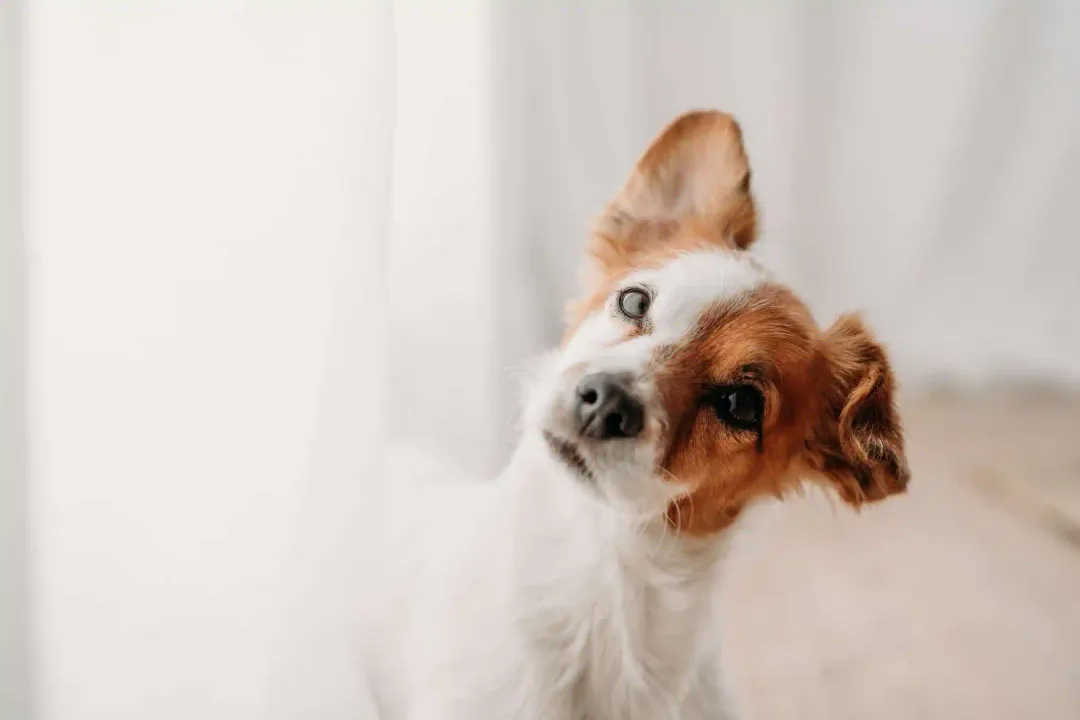
The Transylvanian Hound, sometimes called the Erdelyi Kopo, is a striking and ancient breed originating from the mountainous regions of Hungary and Romania, often associated with the legends of Dracula's homeland. [1][3][8] These dogs are medium-sized scent hounds known for their distinctive, melodic bay and their deep black coat contrasted sharply with tan markings on the legs, muzzle, and eyebrows. [1][5] While they are not a common sight in many parts of the world, potential families often wonder if this historic hunting companion can transition successfully into a modern home setting. To assess their suitability, one must look closely at their inherent nature, their exercise demands, and how they integrate with the day-to-day life of a household. [9]
# Temperament Profile
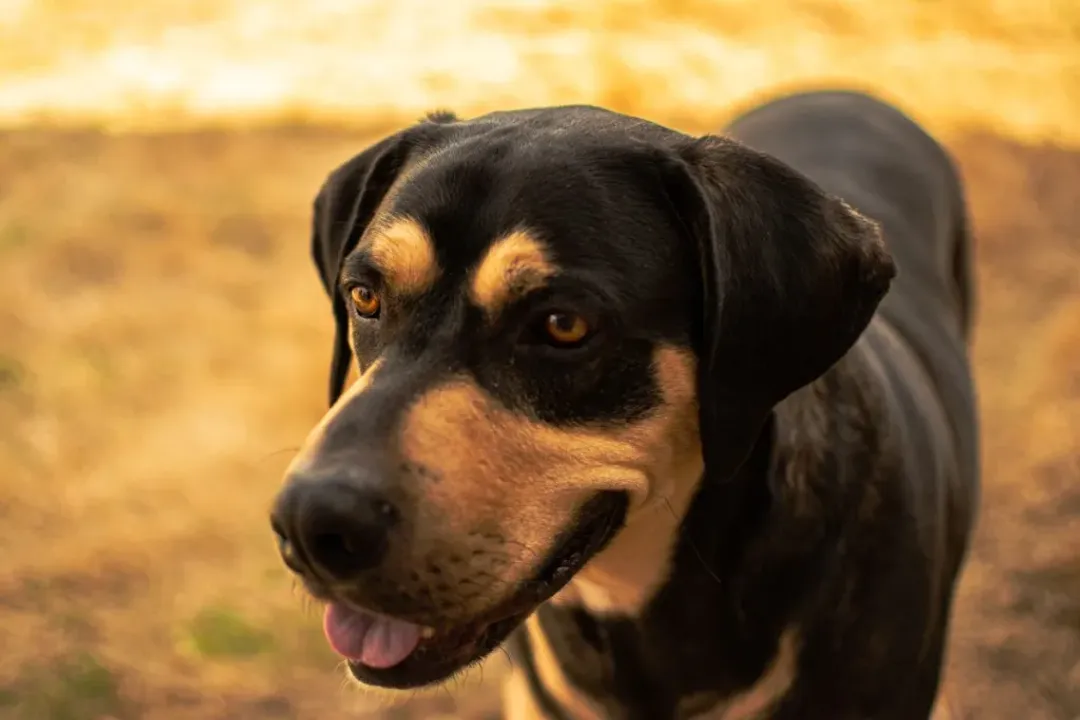
At their heart, Transylvanian Hounds are typically described as friendly, good-natured, and lively companions. [1][3][9] They generally bond closely with their families, displaying affection and loyalty to those they consider their own. [1] This breed was developed to hunt in packs and follow scents for long distances, which has shaped their disposition significantly. [1][3]
They are inherently scent hounds, meaning their nose dictates much of their world view. [1] This focus on scent can manifest as independence or stubbornness when a compelling odor is present. [2] While intelligent, they possess a strong prey drive and an inherent desire to track, which requires understanding from an owner. [1][6] They are generally alert and can be reserved or wary around strangers, making early and continuous socialization vital for a well-adjusted family member. [3][9] A happy Transylvanian Hound is one that has received both physical outlets and mental engagement. [8]
# Pack Living Suitability
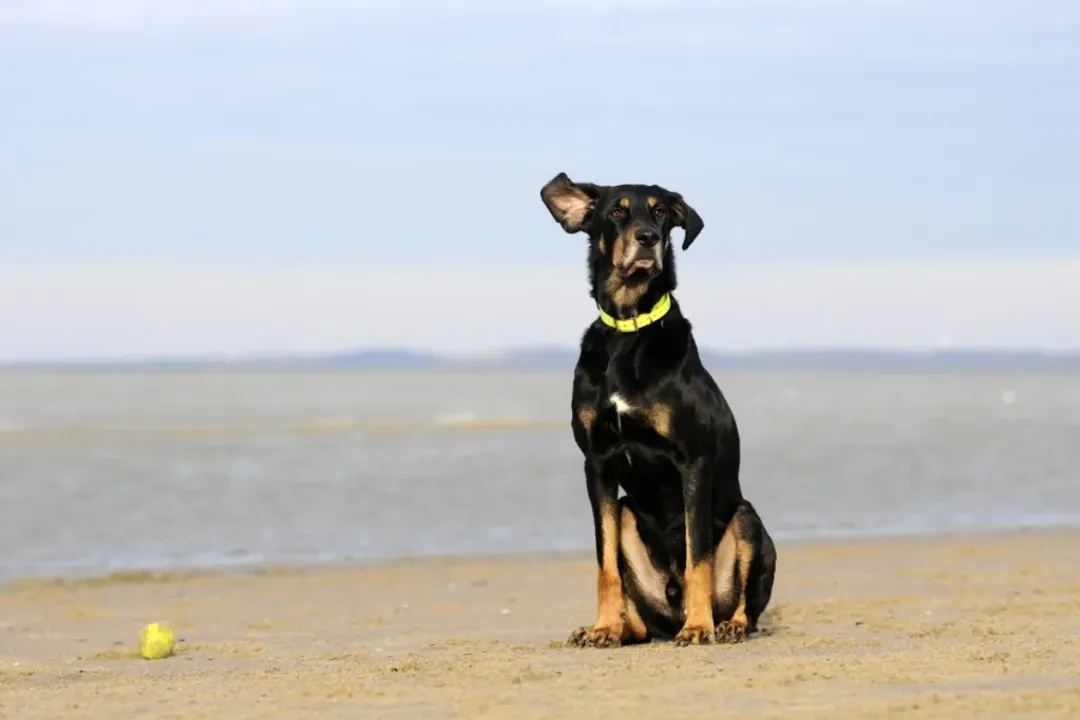
When considering them as family dogs, the interaction with various household members becomes a central concern. Their historical role as pack hunters suggests an innate capacity for group living, which translates well to a family unit, provided the dynamics are clear. [1]
# Children Interaction
Generally, the Transylvanian Hound is considered good with children, often displaying patience and a playful nature within their immediate family circle. [1][3] However, their hound nature means they are driven by scent and sound; a boisterous game or a sudden chase in the yard might trigger their instinct to pursue, which warrants supervision, especially with very young children. [9] Introducing them to children slowly and teaching the children how to interact respectfully with a dog focused on scent work is key to a harmonious relationship. [3] They thrive when integrated into family activities rather than being relegated to the backyard. [1]
# Other Animals
Their compatibility with other animals often hinges on early exposure and the individual dog’s prey drive. [6] Because they are hounds, there is always a potential risk around smaller pets like cats or other pocket animals due to their strong instinct to chase quarry. [9] If raised alongside cats or other dogs from puppyhood, many Transylvanian Hounds integrate successfully into a multi-pet environment. [1] As with many scent hounds, introducing them to other dogs is often easier than introducing them to very small, fast-moving non-canine pets, unless they have been carefully socialized from a young age. [6]

# Exercise and Energy Demands
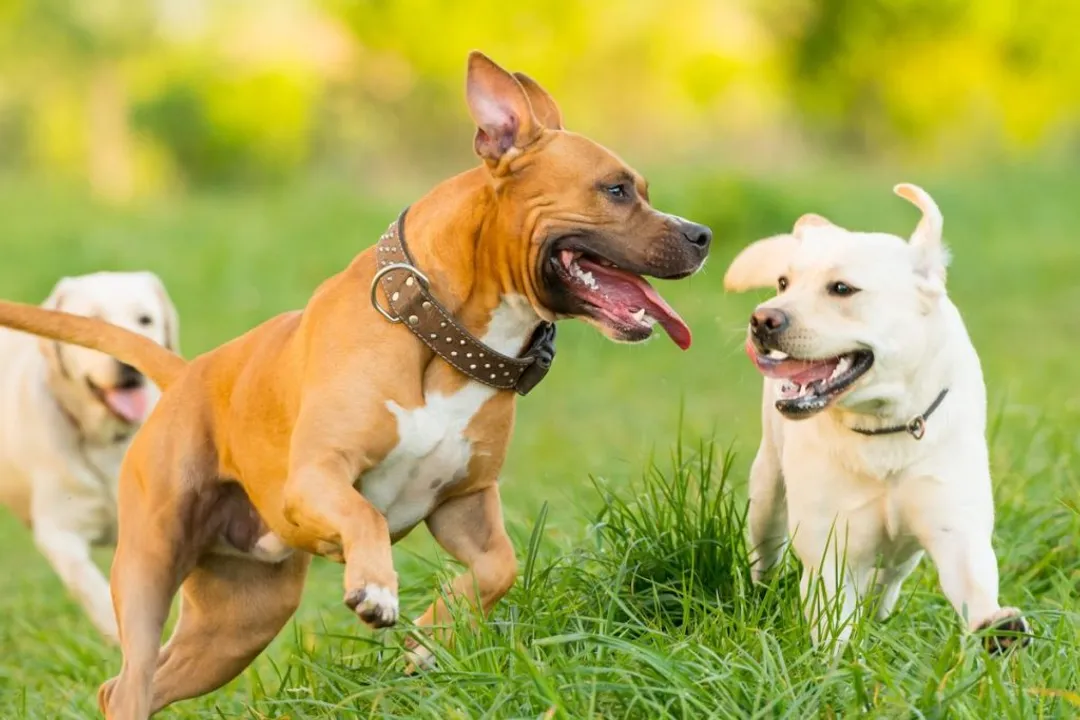
This is perhaps the most critical area for potential owners to evaluate honestly. The Transylvanian Hound is not a couch potato; they are working dogs bred for stamina over rough terrain. [1][8] They require substantial daily exercise to remain happy and prevent destructive behaviors rooted in boredom or pent-up energy. [6]
An owner must be prepared for more than just a brisk walk around the block. A good plan involves significant opportunity for running, scent work, or demanding play sessions. [1] Without adequate physical activity, this breed can become restless, possibly leading to excessive vocalization or digging. [3]
When thinking about managing their high energy, it is essential to consider the quality of the exercise. A simple walk on a leash, while necessary for manners training, may not satisfy their deep need to use their nose. A practical approach for suburban or urban owners involves dedicating specific time to structured scent games—hiding high-value treats or toys and encouraging them to find them—as this taps into their core drive in a controlled environment. [1] This structured mental exertion often tires them out more effectively than aimless running alone.
# Training and Vocalization
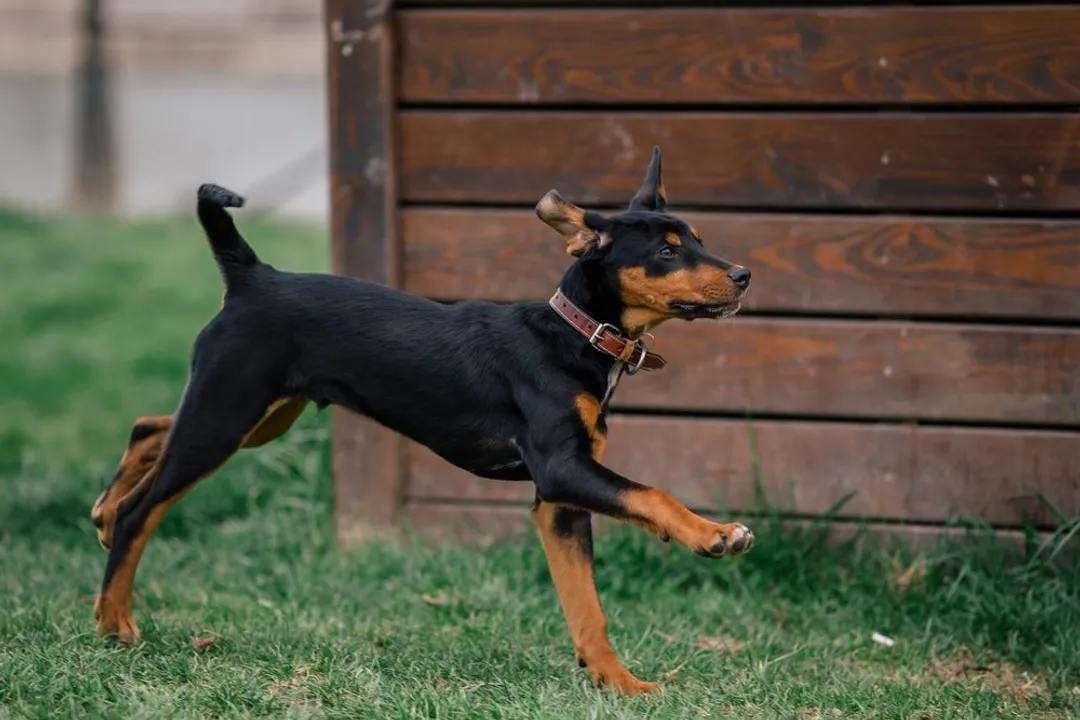
Training a Transylvanian Hound requires patience, consistency, and an understanding of hound psychology. [1] They are intelligent, but their independent thinking means they may question commands, especially if a more interesting scent is available. [2][6] Positive reinforcement methods work best, focusing on building a strong bond and making training a rewarding game rather than a battle of wills. [1]
# The Bay
A defining characteristic of this breed is their voice. Like many scent hounds, they possess a powerful, resonant bay, which they use when tracking or when excited. [1][3] Potential owners must seriously consider their living situation regarding noise levels. An apartment or a home with very close neighbors might not be suitable for a dog prone to loud, long-distance vocalizations, especially if left alone frequently. [9] Training early on to curb excessive or misplaced baying is a wise investment of time. [3]
# Health and Maintenance
The Transylvanian Hound is generally considered a hardy breed, having developed in harsh conditions. [8] The American Kennel Club notes that they typically have a lifespan of about 10 to 14 years. [1] Breed-specific health issues are not widely documented across all general sources, suggesting they may be relatively sound, but vigilance is always necessary. [8]
Given their historical development, maintaining an optimal weight is crucial, as obesity can strain their joints and overall health. [8] It’s worth noting that this breed naturally carries a lean, athletic build. When assessing your hound, a good rule of thumb is to be able to easily feel their ribs without having to press hard, and when viewed from above, they should exhibit a visible waist tuck, similar to a Greyhound or Whippet, rather than a barrel shape. [7] Paying close attention to diet and exercise ensures they remain in this ideal athletic condition throughout their lives.
Grooming is relatively straightforward. Their short, dense double coat requires only weekly brushing to manage shedding and keep the coat healthy. [5][9] They are not considered heavy shedders year-round, but they will likely shed more heavily during seasonal coat changes. [1]
# Creating the Ideal Environment
The question of whether the Transylvanian Hound is a good family dog ultimately comes down to the type of family and environment they join. They are happiest when they are a true member of the family unit, not just an outdoor fixture. [1][6]
A successful placement involves a home where:
- Security is paramount: Their nose is their master. Yards must be securely fenced, and gates must be kept closed. Leaving a Transylvanian Hound unsupervised in an unsecured yard is an invitation for them to follow a scent trail miles away. [9]
- Activity is planned: The family enjoys an active lifestyle, which can include hiking, long walks, or engaging in dog sports like tracking or lure coursing. [8]
- Patience is abundant: The owners understand that training is a long game requiring consistency, especially concerning recall when off-leash—which should be avoided unless in a fully enclosed area. [2][6]
For a family that values a deeply loyal, affectionate, and relatively low-maintenance groomer, but who can meet the high exercise and socialization demands, the Transylvanian Hound can be an exceptional companion. [1][3] They are best suited for homes where their working heritage is respected, and their need for partnership and activity is met daily. They are not the breed of choice for novice owners seeking a low-energy, highly obedient indoor pet that requires minimal interaction outside of feeding time. [9]
| Trait | Family Assessment | Owner Action Required |
|---|---|---|
| Affection | High, very loyal to family | Integrate into daily life, avoid isolation [1] |
| Energy Level | High, needs intense activity | Daily vigorous exercise, scent work [6][8] |
| Vocalization | Prone to loud baying | Early training, consider neighbor proximity [3][9] |
| Training | Intelligent but independent | Consistent positive reinforcement [1][6] |
| Grooming | Low maintenance | Weekly brushing [5] |
Ultimately, this ancient hound brings with it centuries of tracking instinct. When that instinct is channeled positively, they offer deep companionship; when ignored, they can present challenges related to wandering or vocalization. [2][9] They are superb family dogs for the right active and committed owner who embraces their hound spirit.
Related Questions
#Citations
Transylvanian Hound - Dog Breed Information - American Kennel Club
opinions on Transylvanian Hound - Reddit
Transylvanian Hound: Your Complete Guide - Dog Academy
Transylvanian Hound (Erdélyi Kopó) - Dog Breeds - Wisdom Panel
Transylvanian Hound Dog Breed Information
Transylvanian Hound | Dog Breed Facts and Information - Wag!
Are there any other Transylvanian Hounds out there? - Facebook
Transylvanian Hound Information and Pictures - PetGuide
Transylvanian Hound Dog Information & Characteristics - DogTime