Are Bulldog mix good dogs?

The appeal of a Bulldog mix often lies in the hope of capturing the best traits of the parent breeds while potentially smoothing out some of the known challenges of the purebred lineage. When people consider adding a companion with Bulldog heritage to their home, they are usually looking for that signature affectionate, somewhat stubborn, yet deeply loyal disposition. [4] These mixed-breed dogs present a fascinating spectrum of personalities, looks, and needs, making a blanket "yes" or "no" answer impossible without delving into the specific genetic cocktail they inherit. [1]
# Temperament Spectrum
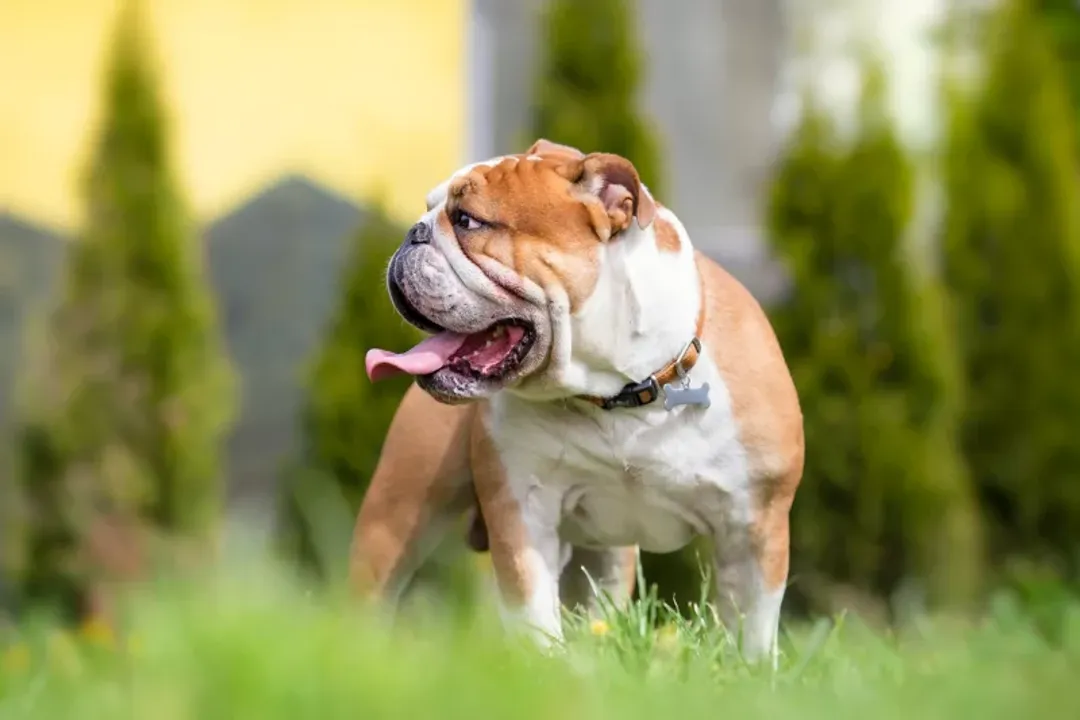
Bulldogs, whether English or French, generally carry a reputation for being calm, courageous, and incredibly devoted family companions. [8] When crossed with other breeds, this core temperament is filtered through the disposition of the other parent. For example, mixing an English Bulldog with a more energetic breed might result in a dog that still enjoys lounging but possesses a surprising burst of playful energy when compared to the low-key English Bulldog alone. [2]
The general consensus among owners and enthusiasts online suggests that Bulldog mixes are often excellent family pets, frequently displaying great patience with children. [5][4] However, because they are mixes, predictability decreases. One source noted that while an English Bulldog is famously low-energy, mixing it with a breed like a Pitbull can result in a dog requiring significant daily exercise to prevent boredom-related behaviors, even if the mix still retains the famous Bulldog clownishness. [3] You might find a mix that is more aloof than a purebred or, conversely, one that is overly clingy, depending on the dominant genes surfacing from the background breeds. [1]
# Inherited Drive
One crucial element to assess when looking at a Bulldog mix is the drive inherited from the non-Bulldog parent. If the mix involves a working breed or a terrier known for high prey drive—like some Pitbull-type dogs or terriers—the resulting dog will need more structured training and mental stimulation than a typical Bulldog might require. [3] Conversely, a mix with a calm, low-stamina breed might inherit the Bulldog's predisposition to overheat quickly, making them better suited to gentler activities. [2][7] A responsible approach involves understanding the drive levels of both contributing breeds.
# Health Considerations
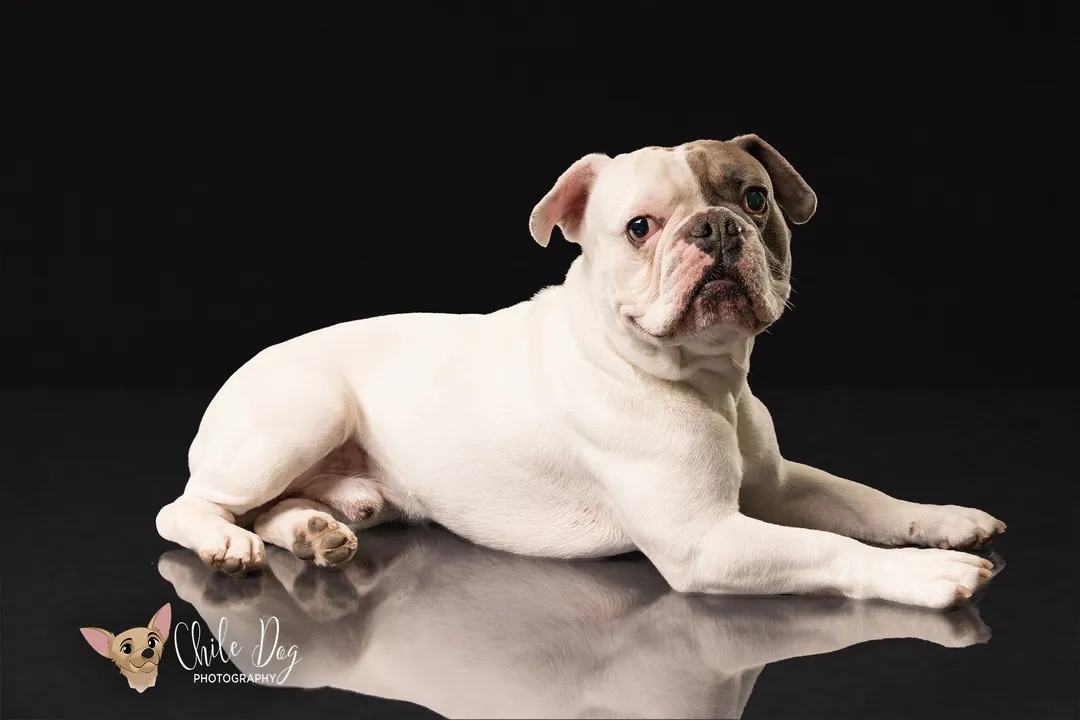
The concept of "hybrid vigor," the idea that a mixed-breed dog is inherently healthier than a purebred, is often cited, but with Bulldog mixes, this must be approached with caution. [2] While some mixes might avoid the severe breathing issues common to brachycephalic (short-nosed) breeds like the English Bulldog, they are still susceptible to inheriting conformational problems or genetic predispositions from either parent. [8]
For instance, an English Bulldog is notoriously prone to breathing difficulties, skin fold infections, and joint issues like hip dysplasia. [8] If this dog is mixed with a breed that also carries hip or elbow problems, like the Boxer, [6] the offspring has a significant risk of inheriting these orthopedic issues, even if their muzzle is slightly longer.
# Skin and Weight Management
Skin fold care remains a critical area for any mix involving a Bulldog. Even if the skin folds are less pronounced than in a purebred English Bulldog, the wrinkles around the muzzle and eyes still require regular cleaning and drying to prevent infection, a persistent care requirement that owners must anticipate. [2][7]
Furthermore, weight management becomes a shared concern. Bulldogs and many of their popular crosses, such as the Boxer/Bulldog mix, are prone to obesity. [6] Their lower energy levels, especially in adulthood, combined with an inherited appetite, mean owners must be proactive about diet and exercise to protect their joints, regardless of the other parent breed. A common pitfall is assuming a mixed breed automatically needs less vigilant weight monitoring than a purebred; this assumption can quickly lead to health complications down the line. [6]

# Popular Crosses

The diversity in the market means you are likely to encounter several specific, established Bulldog mixes, each with its own profile.
# Boxer and Bulldog
The Boxer Bulldog mix, sometimes called a "Boxabull," often results in a dog that is highly energetic, intelligent, and often quite stocky. [6] Boxers bring a high level of enthusiasm and a need for engagement. This cross frequently results in a dog that is medium to large in size, potentially mitigating some of the severe breathing challenges of the purebred English Bulldog, but still requiring an owner prepared for a dog with considerable physical presence and the potential for stubbornness inherited from the Bulldog side. [6] A potential challenge here is managing the strong herding or guarding instincts that might surface from the Boxer lineage alongside the Bulldog's territorial tendencies.
# French Bulldog Mixes
Mixing a French Bulldog (Frenchie) with another breed—perhaps even a small terrier or another brachycephalic dog like a Pug—creates a smaller companion dog. [9] While the intent might be to improve breathing, if the mix is with another short-nosed breed, respiratory issues can easily persist or be replaced by other concerns, like those common to the smaller breed. [9] Frenchie mixes often retain the playful, sometimes bossy nature of the Frenchie, but their size makes them adaptable to apartment living, provided their exercise needs are met. [9]
# Pitbull and Bulldog
The English Bulldog and Pitbull cross is a highly discussed combination, often bringing strong physical traits to the table. [3] These mixes often display immense loyalty and affection towards their immediate family. The key differentiation, as highlighted in discussions, centers on temperament management and socialization. While both breeds can be loving, the Pitbull heritage often implies a higher need for early, consistent socialization to manage potential dog-on-dog reactivity or strong protective instincts that might develop if not properly addressed during puppyhood. [3] Owners must commit to training that acknowledges the physical strength and determined nature that can result from this pairing. [3]
# Training and Socialization
Regardless of the mix, success in dog ownership hinges on early exposure and consistent, positive reinforcement training. With a Bulldog mix, understanding which parent's temperament is surfacing dictates the training style.
If the mix leans towards the dominant, stubborn side of the Bulldog—a known trait [8]—consistency is paramount. Owners should use short, engaging training sessions focusing on rewards, as prolonged, repetitive drills can quickly cause a bored Bulldog mix to simply shut down or refuse to participate. [7]
For mixes that inherit a higher drive, like the Pitbull or Boxer crosses, the window for socialization—introducing them safely to new sights, sounds, people, and vaccinated dogs—is vital, ideally between three and sixteen weeks of age. [3] Missing this window can make managing later-life uncertainties far more challenging, especially given the physical strength these dogs can develop.
For new owners of a mixed-breed dog where one parent is a Bulldog, I've noticed that budgeting for specialized equipment can save considerable hassle. For instance, purchasing a harness designed for dogs with broader chests and shorter necks, even if the dog is a mix, often provides better control and reduces strain on the throat compared to a standard collar if the dog pulls during walks. [6]

# Daily Living Fit
Deciding if a Bulldog mix is "good" ultimately depends on how well their needs align with your lifestyle. They generally thrive in homes where they are included in family activities, as they crave companionship. [4]
If you live in a very hot climate or have a home without easy air conditioning, extreme caution is necessary. Any dog with a shortened muzzle, even a slight one inherited from a Bulldog parent, cannot cool itself efficiently through panting and is highly susceptible to heatstroke. [7] This requires modifying outdoor activity significantly during warmer months—think very early morning or late evening walks only, and never strenuous activity in the midday heat.
For those living in apartments, a smaller mix might seem ideal, but remember that energy level trumps size sometimes. A moderately energetic Boxer/Bulldog mix might feel more constrained in a small space than a low-energy, larger Bullmastiff mix, for example, if the latter is content with two short walks and a long nap. [5]
# Estimating Costs
While health insurance might cover unforeseen accidents, preventive care for a Bulldog mix requires specific attention to dental hygiene and skin care, areas where purebred Bulldog owners often spend more time and money. [8] If a mix inherits poor conformation (such as severe underbite or poor limb structure), owners should budget for potential specialist vet visits early on. A proactive approach involving a vet familiar with both parent breeds during initial checkups can help set a realistic long-term care plan, mitigating the surprise costs associated with breed-specific ailments that may surface later. This early consultation can often pinpoint if the mix has inherited the breathing profile of a very flat-faced dog or a more moderate one. [1]
In summary, Bulldog mixes are generally good dogs, known for their affectionate and often comical nature. [4] They are wonderful companions for families willing to commit to early socialization, consistent, positive training, and an attentive approach to their unique health profile, particularly concerning weight and breathing capacity. They are not low-maintenance dogs simply because they are mixed; they require an informed owner ready to manage the wonderful variability they bring to the table. [3][2]
Related Questions
#Citations
What's a healthy English bulldog mix?
Bulldog Mix Dog Breed Complete Guide
What are the pros and cons of an English bulldog/pitbull mix?
10 Bulldog Mixes and Crossbreeds
Is our English Bulldog a mix breed?
Boxer Bulldog Mix Facts
Bulldog - All About Dogs
Bulldog Dog Breed Information
Watson's Portraits: An English Bulldog French Bulldog Mix -