What is the curse of the Devil's Coach Horse beetle?
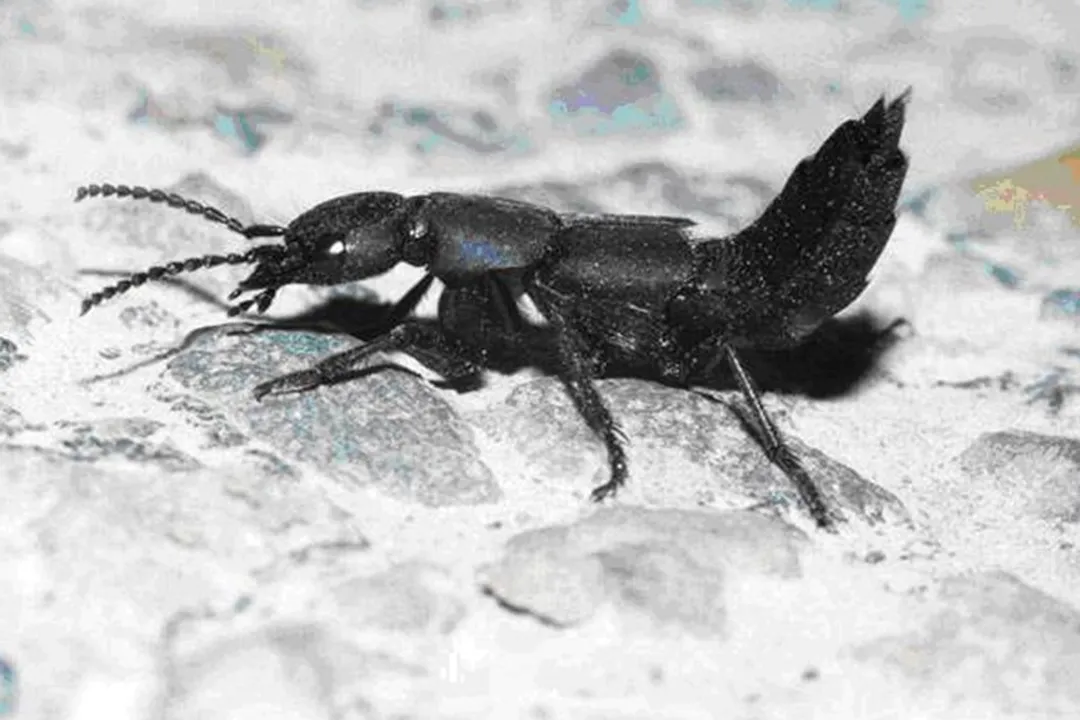
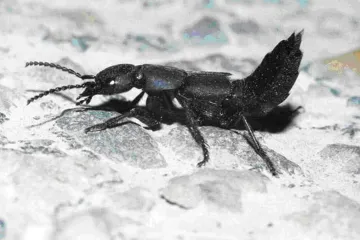
The appearance of the Devil’s Coach Horse beetle often sparks immediate alarm, primarily due to its imposing posture when agitated. [1][5] This insect, scientifically known as Ocypus olens, is typically noted for its elongated, entirely black, and very shiny body. [2][5] It can grow to a significant size for a beetle, sometimes reaching up to 25 millimeters or about one inch in length. [2][5] It possesses long antennae and appears quite substantial when moving across the ground or leaf litter. [4] A defining feature that contributes to its fearsome reputation is its pair of large, powerful mandibles at the front of its head. [1][4] When disturbed or handled, the beetle adopts a startling defensive stance: it raises its long abdomen up over its body, curling the tip forward in a manner uncannily similar to a scorpion or a wasp poised to strike. [1][3][5][7] This dramatic pose, combined with its dark coloration, has certainly fueled centuries of cautionary tales regarding its supposed danger. [7]
# Name Origins
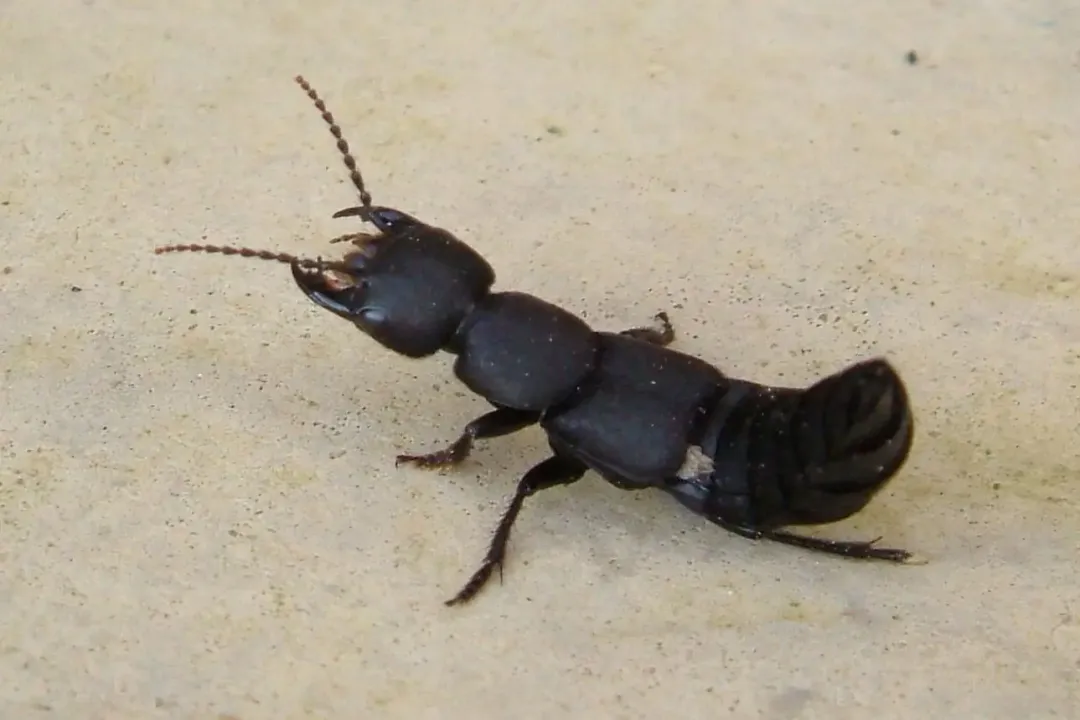
The common name itself, Devil’s Coach Horse, carries a weight of historical superstition and fear, which is likely where the notion of a "curse" originates. [2][6][7] In folklore, dark or unusual creatures were frequently associated with the infernal, and this beetle fits that description visually. [7] The name suggests a connection to the devil, perhaps implying the beetle is one of his dark minions or a steed for the underworld. [7] Historically, people feared that this insect might inflict serious harm, with some legends claiming it could bite and kill a horse, or sting a person severely. [1][7] Interestingly, in Ireland, the creature is sometimes referred to as the "Devil's Coachman," a slight variation on the same ominous theme. [7] While the name sounds dramatic, it is crucial to understand that the actual threat posed by the insect is far less dramatic than its title suggests. [1]
# Defensive Display

The behavioral display that earned the beetle its grim moniker is purely a defense mechanism, not an offensive threat based on venom delivery. [7] As mentioned, when feeling threatened, the Ocypus olens will arch its abdomen over its back, mimicking the posture of a stinging insect. [5] This display is designed to deter potential predators, making the relatively small beetle appear much more dangerous than it truly is. [1] It is an innate, reflexive action triggered by stress or handling, similar to how many smaller animals might puff up or bare teeth. [3] It’s worth noting that this posture might also be accompanied by the release of defensive chemicals. When under severe duress, this beetle has the capacity to squirt an irritating fluid from glands near its rear end. [1][5] This fluid serves as its primary chemical deterrent, but it is a far cry from the paralyzing venom or painful sting associated with creatures like wasps or scorpions that it imitates. [1]
# True Nature
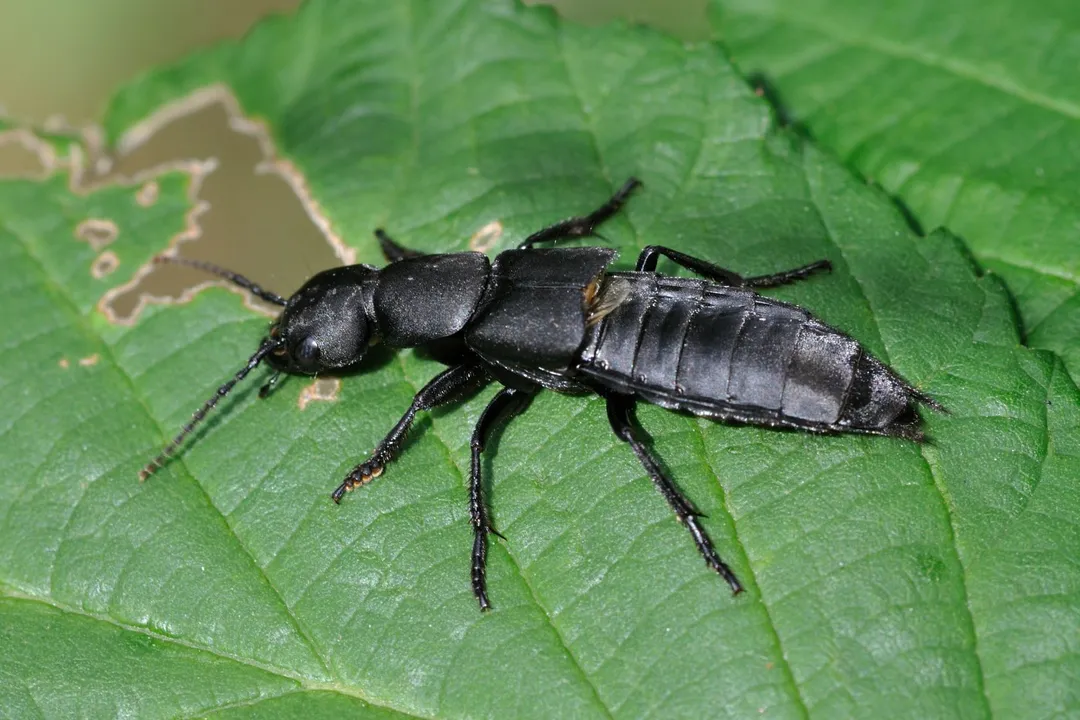
Despite the frightening name and the dramatic defense, the Devil's Coach Horse beetle is actually a highly beneficial presence in any garden or natural area it inhabits. [1][6] It is classified as a predator and is an active hunter in the invertebrate world. [4] These beetles are primarily nocturnal, spending their daylight hours concealed under stones, damp logs, or within thick leaf litter. [4][6] When darkness falls, they emerge to patrol the ground in search of prey. [6] Their diet consists almost entirely of smaller, soft-bodied invertebrates, making them excellent natural pest controllers. [4] They readily consume slugs, snails, earthworms, and various other small crawling insects. [1][6] For anyone managing a vegetable patch or flowerbed, finding a Devil's Coach Horse is generally a sign that the local ecosystem is healthy and balanced, as they actively reduce populations of common garden nuisances. [1][6] While they share some habitat preferences with earwigs, their body shape and behavior are distinctly different, with the coach horse beetle being characterized by its longer, more streamlined build and prominent jaws. [5]
A practical observation for enthusiasts of the natural world is that encouraging these beetles is often as simple as providing the right habitat structure. If you leave piles of decaying wood or flat stones undisturbed in a corner of your garden, you are actively cultivating a micro-ecosystem that supports these beneficial predators. [6] Unlike many other insects that require specific plants, the coach horse beetle only needs cool, damp, dark hiding spots to thrive, making them easy to support even in relatively small outdoor spaces.
# Handling Safety
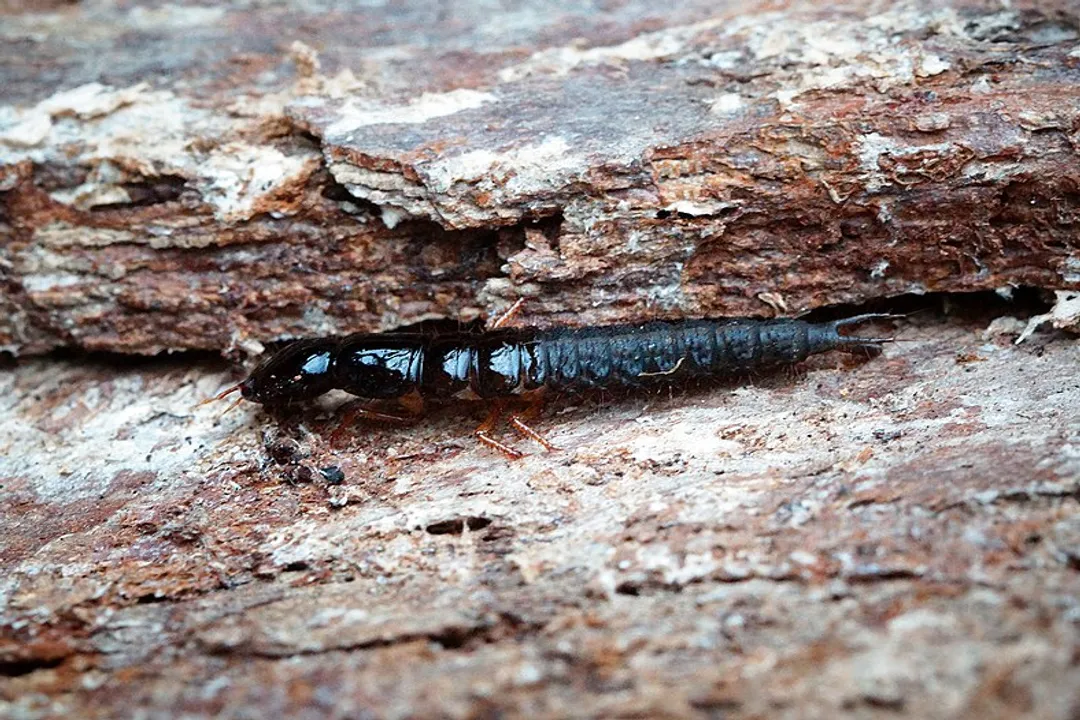
When considering the supposed "curse," the question of personal safety is paramount. The primary concern for a human encountering this beetle is its bite. [1] If you deliberately pick one up or handle it roughly, the beetle will likely use its strong mandibles to bite in self-defense. [4][5] However, this bite, while capable of breaking the skin, is generally described as not being dangerous to humans. [1][5] It might be uncomfortable or briefly painful, much like a strong pinch, but it does not transmit disease or introduce dangerous toxins in the way a venomous insect bite would. [1] The defensive fluid it sprays is also typically not medically significant for people, though it might cause minor irritation or a brief burning sensation if it comes into contact with sensitive areas like the eyes. [5] The important distinction to remember is that these beetles cannot sting; they lack a stinger, which is the mechanism used by bees and wasps. [7] The scorpion-like posture is a visual bluff, not a functional warning of a venomous barb. [7]
To put the potential harm into perspective, consider the sheer number of garden pests an individual coach horse beetle eliminates over its lifetime versus the minor, fleeting discomfort from a defensive pinch. A single beetle can consume dozens of garden slugs or snails over several weeks. [1][6] If one were to weigh the marginal risk of a brief, non-toxic pinch against the sustained damage prevented to tender seedlings by the beetle's predation, the beetle emerges as a clear ally, not a cursed threat.
# Similar Insects
To further dispel the myths surrounding this beetle, it can be helpful to compare it to another insect often mistaken for it or generally feared: the earwig. [5] While both can be found in similar damp habitats, the earwig is easily identifiable by the prominent pincers, or cerci, protruding from the very rear of its abdomen, which are used for defense and wing folding. [5] The Devil's Coach Horse, in contrast, has a flatter, darker body shape and its defensive apparatus (the abdomen tip) is curved up and over the body when threatened, rather than sticking straight out like the earwig's pincers. [5] Understanding these small identification differences helps ensure that beneficial predators like Ocypus olens are not mistakenly persecuted due to the reputation of another, perhaps less helpful, creature. [5]
It is also useful to compare its threat level to common stinging insects. A wasp sting involves injecting a complex cocktail of proteins that cause immediate, sharp pain and often swelling, sometimes leading to severe allergic reactions. [1] The Devil's Coach Horse bite is a mechanical action—a crushing or pinching—and the chemical spray is a simple irritant. The lack of venom in the true sense of insect toxicology means that while one should always be respectful of wildlife, the fear associated with the name should be set aside in favor of appreciating its role as a garden cleaner. [1]
#Videos
Irish Folklore: The Devil's Coach Horse, An Dearg-a-Daol - YouTube
Related Questions
#Citations
The Devil's Coach Horse | Bug Woman – Adventures in London
Devil's Coach Horse Beetle Insect Facts - Ocypus olens - A-Z Animals
This is what happens when you disturb a Devil's coach horse beetle!
Devil's Coach-horse - Bug Directory - Buglife
Devil's Coach Horse Beetle (Ocypus olens) - Woodland Trust
Ocypus olens (Devil's Coach Horse)
The Devil's Coachman - The Ireland News
Devil's Coach-Horse Beetles - Staphylinus olens - UK Safari
Irish Folklore: The Devil's Coach Horse, An Dearg-a-Daol - YouTube